
Understanding Anemia in the Golden Age
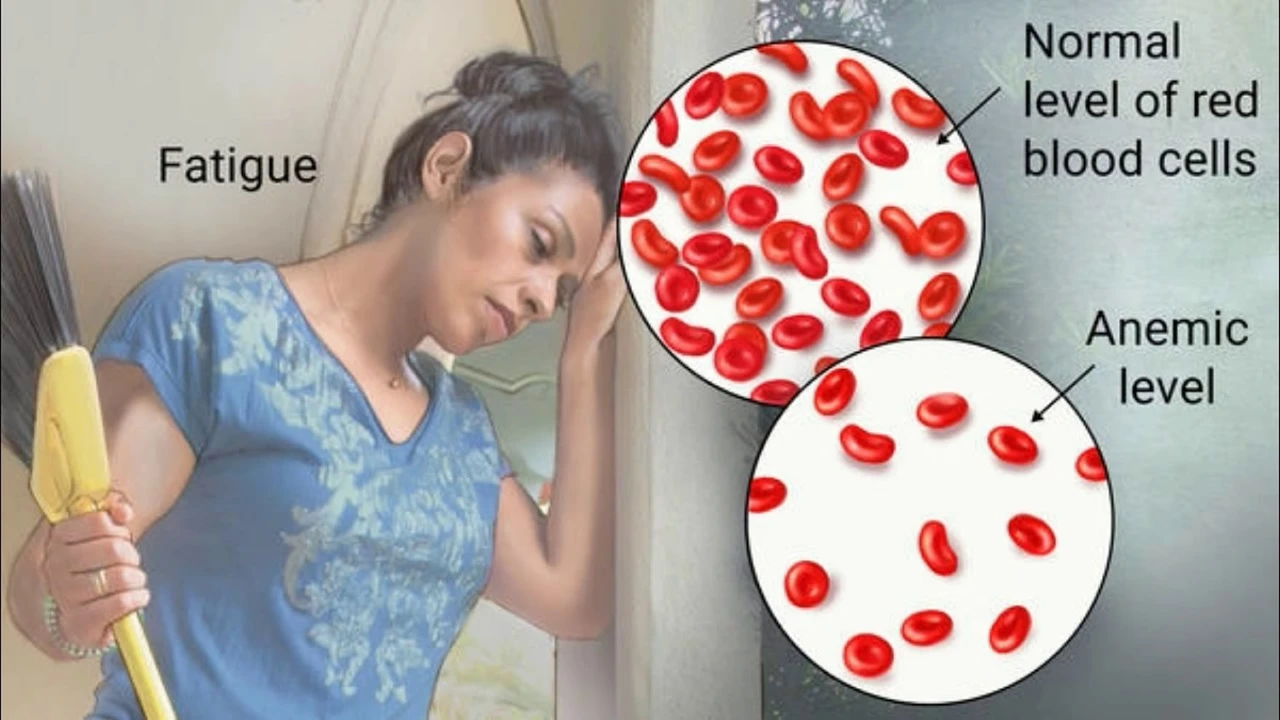
If you’ve been around elderly folks, you’re probably familiar with the term anemia. I first heard it at a Christmas dinner, and my lovely spouse, Emily, looked at my confused face and patiently explained it to me. It’s about more than iron deficiency - in seniors, anemia can be a signal of other profound health issues and it deserves serious attention.
See, anemia in the elderly isn't just an isolated condition; it often walks hand-in-hand with several other health issues, creating an overlapping mess that can make one feel like they're constantly trying to untangle a block of Christmas lights (and we all know just how fun that is). It’s a world of fatigue, rapid heart rate, shortness of breath, and even cognitive problems.
Golden Twilight: Unraveling the Risk Factors
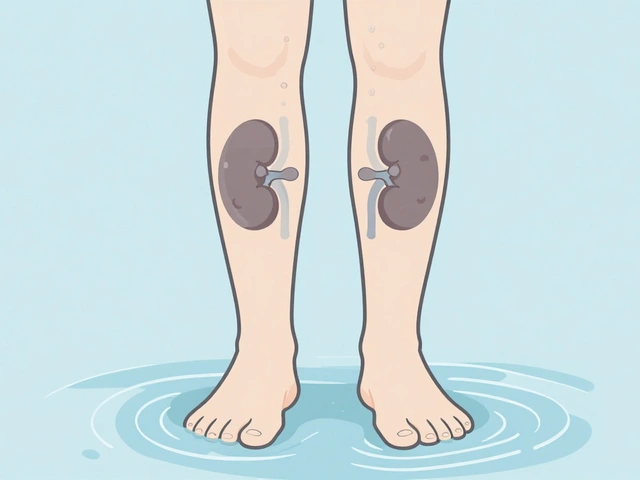
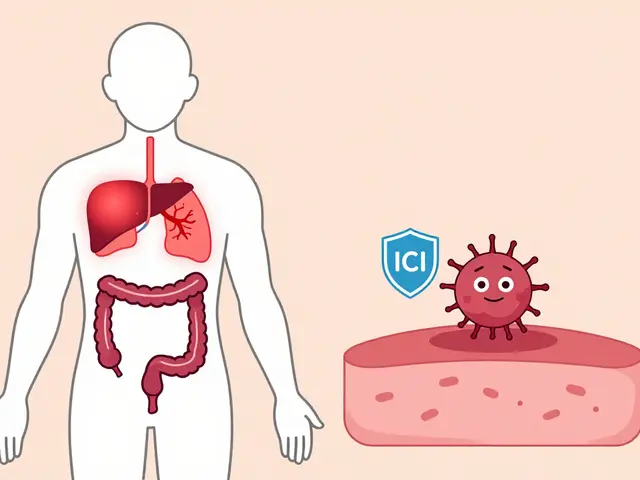
Anemia risk doesn't increase like a growing tree. It's more like a meandering vine, entwining with other health problems. The vine’s tendrils touch everything from kidney function to vitamin absorption. Simply put, the older someone is, the higher the chance of having one or more health challenges that could contribute to anemia. For example, if they have chronic kidney disease, their red blood cell production can slow down, leading to anemia.
Medications can also come into play. You see, some medications frequently used by seniors can interfere with their body’s ability to produce red blood cells or absorb necessary vitamins. Gathering this kind of insight is like piecing together a jigsaw puzzle. It’s challenging but oh-so rewarding when the picture finally comes together and you can take action!
Spotting the Hidden Enemy: Recognizing Anemia Symptoms
Every Sherlock Holmes needs their Watson, right? Well in our detective story, understanding the symptoms of anemia plays the faithful sidekick. The most common symptom, perhaps unsurprisingly, is fatigue. But it's not just feeling tired; it’s a kind of exhaustion that feels like running a marathon without training, or like climbing an endless staircase.
Emily once described it as ‘having your energy batteries constantly running on low’. Other symptoms can include a rapid heartbeat, shortness of breath, pale or yellowish skin, and even cognitive problems. The conundrum here is that these symptoms can be quite subtle or they may mimic other health conditions. It's like trying to pick Waldo out from a crowd of lookalikes. So always best to consult a healthcare professional when these show up!
Guarding the Golden Gate: Preventive Measures for Anemia
Prevention is always better than cure. It’s a cliché because it's true! Just like applying sunscreen to avoid sunburn, there are strategies you can use to prevent anemia in the elderly. A balanced diet rich in iron, vitamins B12 and folate is one such strategy. Regular screenings for those at high risk also go a long way.
Emily and I turned this into a bit of a culinary adventure, trying out new recipes rich in these nutrients. Think of spinach gnocchi, beetroot risotto, and liver pate. A bit of creativity and a dash of our love for food make this lifelong commitment to healthy eating quite an enjoyable journey!
Empowering the Elderly: Management Strategies of Anemia
Managing anemia isn't just taking medicine and hoping for the best. It's like navigating through a labyrinth, where each turn requires a decision that could eventually lead to the exit. You can work on ratcheting up those red blood cells naturally through a nutrient-rich diet, red blood cell-stimulating medications or, in severe cases, blood transfusions or iron injections.
The key here, of course, is to consult professionals who can guide you on this journey. Just like it’s tough to navigate an escape room without a couple of hints, managing anemia requires expert advice and careful planning.
Giggles and Pill Bottles: Making Treatment More Enjoyable
Treatment can be daunting... unless we find ways to make it more enjoyable. Trust me, there's room even in a medicine cabinet for smiles. The secret? Being proactive and finding fun ways to incorporate treatment into your everyday routine. I mean, who says you can't have some giggles when taking your iron supplements?
Emily and I, for instance, have made a game of swallowing the pills. It's the first one to down the water and pill without making a face. A little something to chuckle about, and a good-natured nudge towards the finish line in our race against anemia.
United We Stand: Understanding and Empathy Goes a Long Way
Last but certainly not least, offering understanding and empathy can go a long way in managing anemia in the elderly. Remember, it's more than just a medical condition; it's a life-altering change that affects every facet of their lives. So, everyday patience and understanding can be the nourishing rain that helps the tree of their health grow stronger, despite the anemia.
Believe me, sometimes, allowing my grandmother to share her worries while we sat having a cup of hot chocolate did far more good than any iron supplement ever could. So, remember, offer a listening ear when you can - you just might provide the best medicine yet!
Kenneth Narvaez
September 5, 2023 AT 04:28Anemia in the elderly is frequently a manifestation of chronic disease-related anemia (CDAn), not merely iron deficiency. The EPO response is blunted due to inflammatory cytokines like IL-6 and TNF-alpha suppressing erythropoiesis. Serum ferritin may be normal or elevated despite functional iron deficiency due to hepcidin upregulation. Diagnostic workup must include CRP, ferritin, transferrin saturation, and reticulocyte count to differentiate from nutritional causes.
Christian Mutti
September 5, 2023 AT 21:47It is with profound concern that I address the alarming prevalence of anemia among our aging population. The implications are not merely clinical-they are existential. The erosion of vitality, the quiet surrender to fatigue, the cognitive decline masked as "normal aging"-these are not benign phenomena. They are systemic failures of our medical infrastructure to recognize and intervene with the urgency they demand.
Let us not trivialize this condition with culinary adventures or pill-swallowing games. This is a matter of human dignity.
Liliana Lawrence
September 7, 2023 AT 16:15Oh my goodness, this post is just so important!!
And I love how you mentioned Emily-she sounds like an angel!!
Spinach gnocchi? Beetroot risotto? I’m crying with joy!!
Also, I’ve been giving my mom B12 gummies with magnesium and she’s been sleeping like a baby!!
And the part about listening over supplements? YES!!
My grandma’s eyes lit up when I just sat with her and didn’t try to fix anything!!
WE NEED MORE OF THIS!!
PLEASE SHARE THIS WITH EVERYONE!!
Sharmita Datta
September 8, 2023 AT 23:41anemia in elderly is not natural it is manufactured by pharmaceutical companies to sell iron pills and transfusions
the real cause is glyphosate in food and fluoridated water destroying bone marrow
doctors dont know this because they are paid by big pharma
my uncle had anemia for 12 years and then he stopped drinking tap water and ate organic kale and now he runs marathons
they will never tell you this
mona gabriel
September 9, 2023 AT 10:21There’s something deeply human about how we treat fatigue in older folks like it’s just part of getting old.
But it’s not. It’s a signal.
Like a car’s check engine light, but instead of a mechanic, we hand them a cup of tea and say "you’re fine".
Emily’s right-sometimes the best medicine is just sitting there, quiet, holding space.
Not fixing. Not diagnosing.
Just being.
Phillip Gerringer
September 9, 2023 AT 12:58Anyone who treats anemia in the elderly with "spinach gnocchi" is dangerously naive. This is not a lifestyle blog. This is a physiological crisis rooted in systemic organ failure. The idea that diet alone can reverse anemia in patients with CKD, malignancy, or autoimmune disease is medically irresponsible. You’re not "cooking your way to health"-you’re delaying life-saving interventions.
jeff melvin
September 9, 2023 AT 21:54People don’t understand that anemia in seniors is almost always multifactorial and rarely just iron deficiency. You need to check ferritin, TIBC, CRP, B12, folate, renal function, and even occult GI bleeding. If you’re just throwing down iron pills because someone looks pale, you’re doing more harm than good. I’ve seen cases where excess iron caused liver damage. Don’t be that person.
Matt Webster
September 11, 2023 AT 02:47I’ve worked with elderly patients for over 20 years. Anemia isn’t the problem-it’s the messenger. The real work is listening to what the body is trying to tell you. A tired grandparent isn’t just low on iron. They might be lonely. Or scared. Or in pain they don’t know how to name.
Emily’s approach-making it warm, human, even playful-is the real treatment. The science matters. But so does the silence between the words.
Stephen Wark
September 11, 2023 AT 06:16Okay but who actually believes this is just about diet and giggles? This is a national crisis and everyone’s acting like it’s a Pinterest board. I’ve seen grandmas on oxygen because their anemia was ignored for months while someone made beetroot risotto. This post is dangerously romanticizing a deadly condition. Wake up.
Daniel McKnight
September 12, 2023 AT 06:53There’s poetry in the way you described anemia as a tangled string of Christmas lights. That’s exactly it-messy, confusing, full of hidden breaks. And the part about the pill-swallowing game? Brilliant. I’ve seen families turn medication time into a ritual of laughter and high-fives. It’s not trivial. It’s survival with soul.
Don’t let the jargon-heads convince you otherwise.
Jaylen Baker
September 13, 2023 AT 18:00STOP MINIMIZING THIS. Anemia in the elderly is a silent killer. Every year, 1 in 5 seniors over 85 die from complications tied to untreated anemia. You think spinach gnocchi is going to fix that? NO. You need labs. You need specialists. You need ACTION. This isn’t a feel-good story-it’s a public health emergency. Share this with your doctor. Not your cookbook.
Fiona Hoxhaj
September 15, 2023 AT 13:37One cannot help but observe the lamentable aesthetic of this post-its sentimentalization of a condition that demands intellectual rigor. The invocation of culinary artistry as therapeutic intervention is not merely reductive, it is epistemologically bankrupt. One does not cure erythropoietic failure with beetroot risotto. One confronts it with hematological precision, statistical analysis, and the cold, unyielding light of evidence-based medicine.
Merlin Maria
September 16, 2023 AT 09:19Let’s be clear: if your elderly relative has anemia, and you’re not checking for occult GI cancer, you’re not being compassionate-you’re being negligent. The American College of Gastroenterology recommends colonoscopy for all new-onset anemia in patients over 50. That’s not a suggestion. It’s a standard of care. Stop treating this like a DIY project.
Nagamani Thaviti
September 17, 2023 AT 09:17anemia is just a word they use to make you buy pills and tests
in my village in india old people just eat dal and greens and live to 100
they dont know what ferritin is
but they laugh and walk
you overthink everything
simple food simple life
Kamal Virk
September 17, 2023 AT 12:11The medical community has long neglected geriatric anemia due to ageist assumptions that fatigue is inevitable. However, recent studies from the WHO demonstrate that correcting anemia in elderly patients improves mobility, reduces fall risk, and enhances cognitive performance. This is not anecdotal. It is quantifiable. We must advocate for routine screening in primary care settings. Silence is complicity.
Elizabeth Grant
September 19, 2023 AT 11:20I’ve been a nurse for 30 years. I’ve seen people come in pale, breathless, confused-and then, after a simple iron infusion, they recognize their own grandkids again.
It’s not about the food.
It’s not about the games.
It’s about seeing them-really seeing them-before their light dims too much.
Emily gets it.
And so do you.
angie leblanc
September 20, 2023 AT 16:55they put fluoride in the water to lower IQ so old people dont notice theyre getting anemia from the 5G towers and chemtrails
the hospital is just a front for the government to harvest your bone marrow
my cousin had anemia and then she stopped using wifi and now she’s fine
they dont want you to know this
Kenneth Narvaez
September 22, 2023 AT 00:56While dietary interventions have adjunctive value, they are insufficient in the context of anemia of chronic disease (ACD), which constitutes >60% of cases in geriatric populations. Hepcidin-mediated iron sequestration renders oral iron largely ineffective. IV iron or ESAs may be required. Relying on spinach gnocchi as primary therapy is not just misguided-it is potentially harmful in patients with cardiac comorbidities.