Antidepressant Side Effect & Solution Tool
Select Your Medication
Choose the antidepressant you are currently taking or considering.
Analysis Result
Profile Overview
Recommended Strategies
Select a medication to view risk assessment and potential solutions.
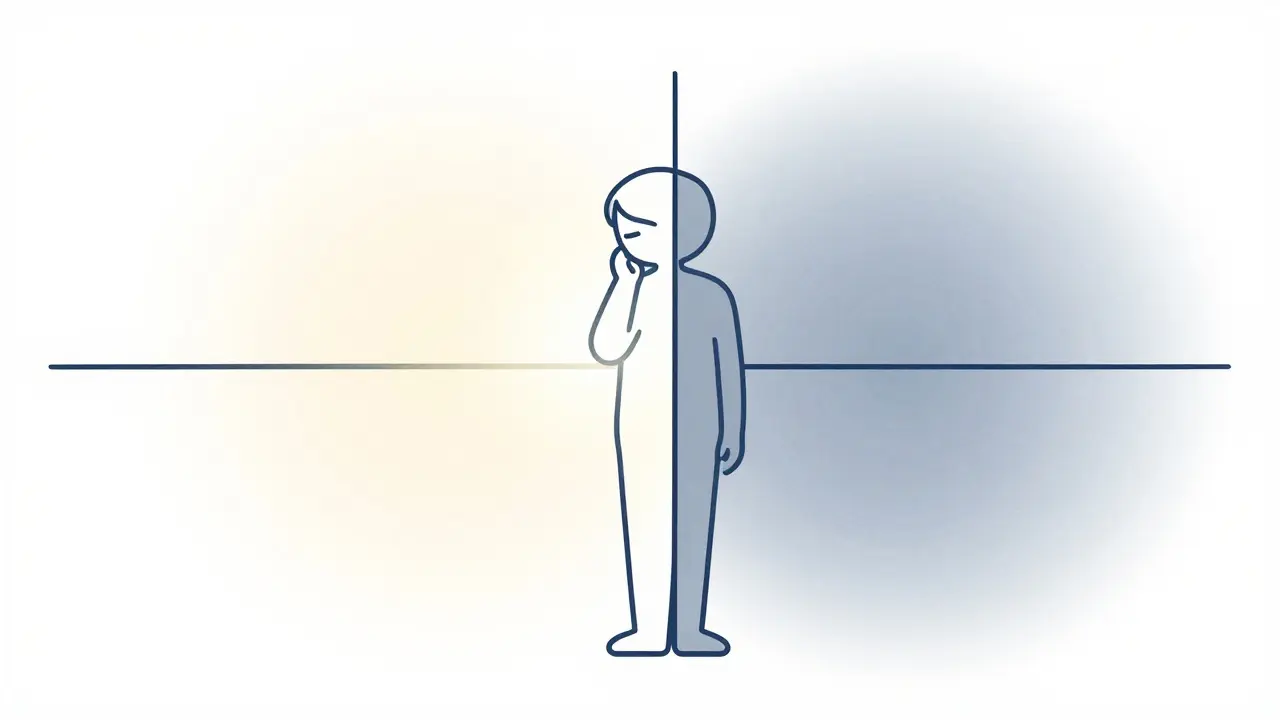
Imagine finally feeling like yourself again after months of battling depression. The fog lifts, you get out of bed with energy, and your relationships start to heal. Then, one part of your life goes completely flat. Your sex drive vanishes. You can’t get aroused, or worse, you can’t finish. It’s a cruel twist that millions of people face every year. According to data from the CDC, over 21 million women and 8.4% of men in the U.S. are on antidepressants. For many, the cure for their mental health comes with a heavy price tag for their intimate lives.
This isn't just a minor inconvenience; it is a major reason why people stop taking their medication. In fact, about 23% of patients quit their SSRIs within the first three months specifically because of these issues. But here is the good news: you don't have to choose between your mental health and your sex life. There are proven strategies, alternative medications, and medical interventions that can help you regain control without sacrificing your progress.
Why Antidepressants Affect Your Sex Life
To fix the problem, we first need to understand what is happening inside your body. Most common antidepressants belong to a class called Selective Serotonin Reuptake Inhibitors (SSRIs). These include popular drugs like Prozac, Zoloft, and Paxil.
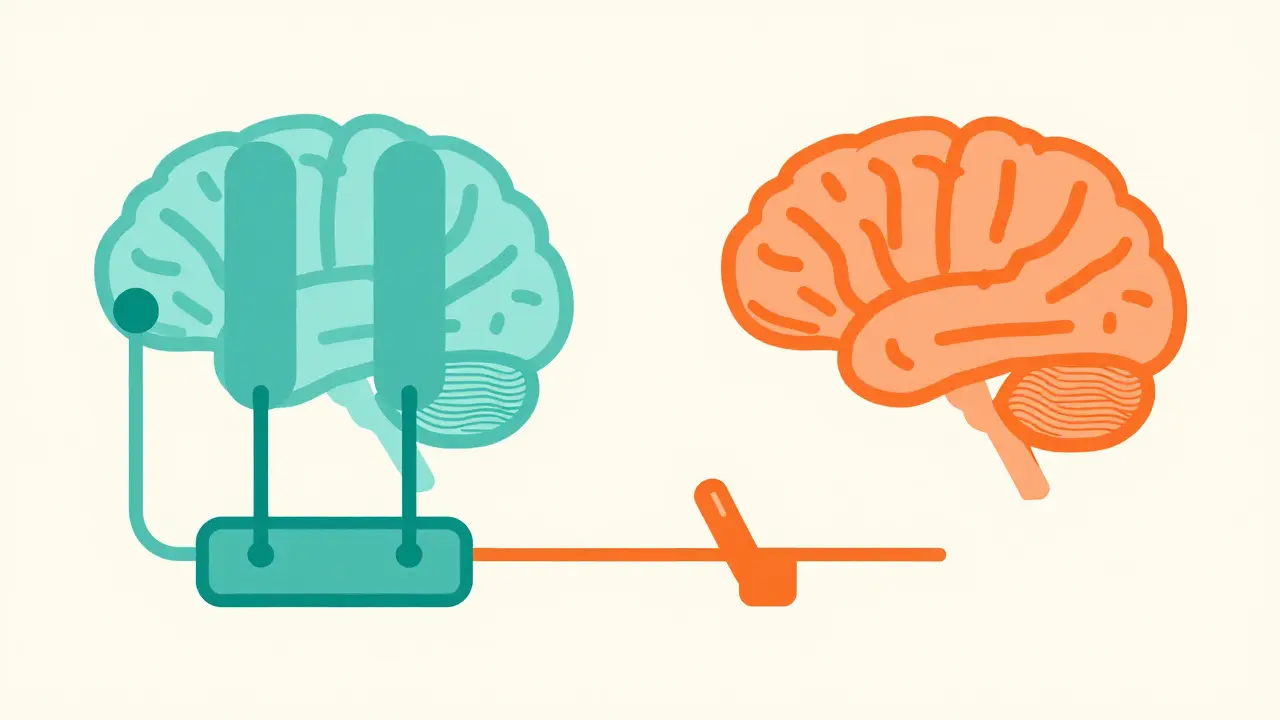
SSRIs work by increasing the levels of serotonin in your brain, a neurotransmitter that helps regulate mood, sleep, and appetite. While more serotonin makes you feel happier and calmer, it also has a side effect: it dampens other chemical pathways. Specifically, high serotonin levels inhibit dopamine and norepinephrine. Think of serotonin as the brakes and dopamine as the gas pedal for sexual desire. When you flood the system with serotonin, you’re essentially pressing hard on the brakes while trying to accelerate. This neurochemical shift effectively turns down the dial on sex drive, making it harder to get aroused, maintain an erection, or reach orgasm.
It is also crucial to distinguish between side effects caused by the drug and those caused by depression itself. Harvard Health Publishing notes that 35-50% of people with untreated major depression already experience low libido. So, if you notice changes, ask yourself: did this happen before I started the medication? If not, the drug is likely the culprit. Men often report decreased libido (64%), erectile difficulties (58%), and delayed ejaculation (53%). Women frequently struggle with diminished lubrication (52%), inability to orgasm (anorgasmia, 49%), and reduced desire (61%).
The Risk Spectrum: Not All Antidepressants Are Equal
Not every antidepressant hits your sex drive with the same force. Understanding which medications carry the highest risk can help you have a more informed conversation with your doctor.
| Medication Name | Class | Risk Level | Key Characteristics |
|---|---|---|---|
| Paroxetine (Paxil) | SSRI | Very High | Strongest association with orgasmic dysfunction among SSRIs. |
| Sertraline (Zoloft) | SSRI | High | Commonly prescribed; significant impact on libido and arousal. |
| Venlafaxine (Effexor XR) | SNRI | High | Similar risk profile to SSRIs; affects serotonin and norepinephrine. | r>
| Bupropion (Wellbutrin) | NDRI | Low | Does not affect serotonin significantly; often used to counteract SSRI side effects. |
| Mirtazapine (Remeron) | Tetracyclic | Low/Moderate | Different mechanism; lower incidence of sexual dysfunction. |
Paroxetine stands out as having the most pronounced sexual adverse effects. Studies show a Number Needed to Harm (NNH) of 2-4 for orgasmic dysfunction, meaning for every 2 to 4 people who take it, one will experience this specific issue. On the flip side, Bupropion is an antidepressant that works differently. Instead of targeting serotonin, it focuses on dopamine and norepinephrine. Because it doesn't spike serotonin levels, it carries a significantly lower risk of sexual side effects. In head-to-head trials, bupropion caused less dysfunction than sertraline or fluoxetine, with an NNH ranging from 2 to 17 depending on the study.
Practical Solutions: What Can You Do?
If you are experiencing these side effects, do not just suffer in silence, and do not stop taking your medication abruptly. Stopping cold turkey can lead to severe withdrawal symptoms and a relapse of depression. Instead, explore these evidence-based strategies with your healthcare provider.
1. Switching Medications
The most effective long-term solution for many people is switching to an antidepressant with a lower sexual side effect profile. As mentioned, switching from a high-risk SSRI like paroxetine to bupropion can be highly effective. Data suggests that 68% of patients see improvement in sexual function after such a switch. However, this isn't a magic bullet for everyone. About 15-20% of patients may find that the new medication doesn't treat their depression as well as the old one. This requires careful monitoring during a cross-taper period, which usually lasts 2-4 weeks, to avoid discontinuation syndromes.
2. Add-On Therapies (Augmentation)
If your current antidepressant is working perfectly for your mood, you might not want to switch. In this case, doctors often add a second medication to counteract the sexual side effects. This is known as augmentation. Bupropion is commonly added to SSRIs at a dose of 150mg daily. A 2019 trial published in the Journal of Clinical Psychiatry found that this combination improved sexual function in 58% of women treated with SSRIs. For men suffering from erectile dysfunction, phosphodiesterase inhibitors like sildenafil (Viagra) can be effective, improving outcomes in 65-70% of cases compared to 25% on placebo.
3. Dose Reduction
Sometimes, lowering the dose of your antidepressant can reduce side effects while maintaining therapeutic benefits. This approach works for about 20-30% of patients. It’s a simple adjustment, but it requires close supervision to ensure your depression doesn’t return.
4. Drug Holidays
A "drug holiday" involves skipping a dose or two under strict medical supervision to allow the medication levels to drop temporarily, restoring sexual function. This is risky and generally only recommended for medications with short half-lives. It is rarely advised for long-acting drugs like fluoxetine due to the risk of rebound anxiety or withdrawal symptoms.
Navigating the Emotional Impact
The impact of sexual side effects extends far beyond the bedroom. On forums like Reddit’s r/antidepressants, analysis of posts shows that 78% of users mentioning sexual side effects also described strain in their romantic relationships. Intimacy is a key component of connection, and when it’s blocked by medication, it can lead to feelings of inadequacy, frustration, and isolation.
It is vital to communicate openly with your partner. Explain that this is a physiological side effect of the medication, not a lack of attraction or love. Many couples find that focusing on non-sexual intimacy-cuddling, talking, emotional connection-helps bridge the gap while they seek medical solutions. Remember, you are not alone in this. Real-world data from GoodRx indicates that women are 1.7 times more likely than men to cite sexual side effects as the reason for discontinuing treatment, highlighting the gendered nature of this burden.
Understanding Post-SSRI Sexual Dysfunction (PSSD)
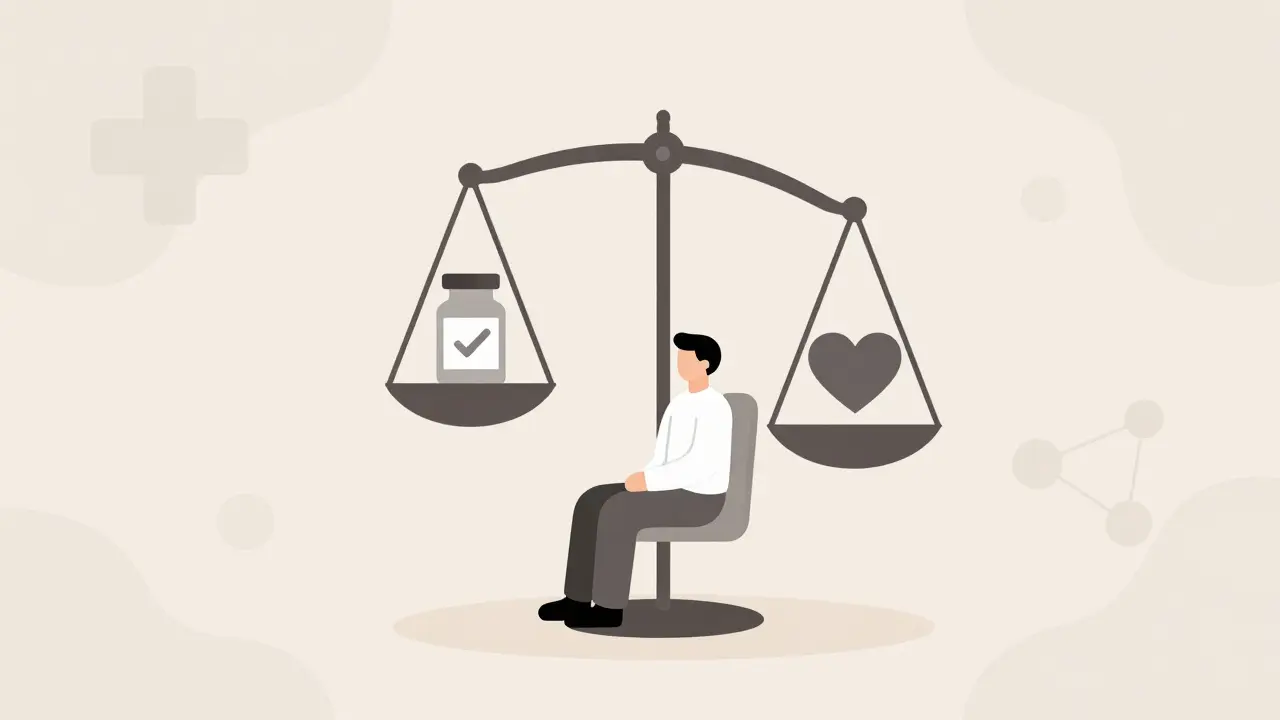
There is a rare but serious condition known as Post-SSRI Sexual Dysfunction (PSSD). In a small percentage of users (estimated at 0.5-1.2%), sexual side effects persist even after stopping the medication entirely. Symptoms can last for months or years. While research is still emerging, with Healy et al. documenting 28 peer-reviewed case reports since 2010, awareness is growing. If you stop your medication and symptoms do not resolve within a few weeks, consult your doctor immediately. Early intervention is key, though treatments for PSSD are currently limited and largely experimental.
Future Directions and New Hope
The landscape of mental health treatment is evolving. Newer agents are being developed with sexual side effects in mind. For example, esketamine nasal spray (Spravato), approved by the FDA in 2019, has shown minimal sexual side effects (only 3.2% incidence in clinical trials). While it is expensive and requires clinical monitoring, it offers an alternative for treatment-resistant depression. Additionally, novel compounds like SEP-227162, a 5-HT1A partial agonist, are in Phase II trials and have demonstrated up to 87% lower sexual side effect incidence compared to standard SSRIs in preliminary data. Pharmacogenomic testing is also becoming more accessible, allowing doctors to predict how your body metabolizes certain drugs based on your genetics, potentially avoiding high-risk medications altogether.
How long does it take for antidepressant sexual side effects to go away?
For most people, sexual side effects improve within a few weeks to a few months after stopping or switching the medication. However, individual experiences vary. Some may see immediate improvement, while others might take longer. If symptoms persist beyond a few months after discontinuation, it could be a sign of Post-SSRI Sexual Dysfunction (PSSD), and you should consult a specialist.
Can I take Viagra if I am on an SSRI?
Yes, for men, sildenafil (Viagra) or similar PDE5 inhibitors are often prescribed alongside SSRIs to treat erectile dysfunction caused by the antidepressant. Studies show they can be effective in 65-70% of cases. Always consult your doctor before combining medications to check for interactions.
Which antidepressant has the least sexual side effects?
Bupropion (Wellbutrin) is widely considered to have the lowest risk of sexual side effects because it does not primarily affect serotonin levels. Mirtazapine (Remeron) and Vilazodone (Viibryd) are also options with lower reported rates of sexual dysfunction compared to traditional SSRIs like Paroxetine or Sertraline.
Should I stop taking my antidepressant if I have sexual side effects?
No, never stop taking your antidepressant abruptly without consulting your doctor. Sudden discontinuation can cause severe withdrawal symptoms and a relapse of depression. Instead, talk to your healthcare provider about adjusting the dose, adding a complementary medication, or switching to a different antidepressant.
Do all antidepressants cause low libido?
Not all antidepressants cause low libido to the same degree. SSRIs and SNRIs have the highest risk. However, medications like Bupropion, Mirtazapine, and Agomelatine have much lower risks. Even within the SSRI class, some drugs like Fluoxetine may have slightly different profiles than Paroxetine. Individual biology also plays a huge role.