
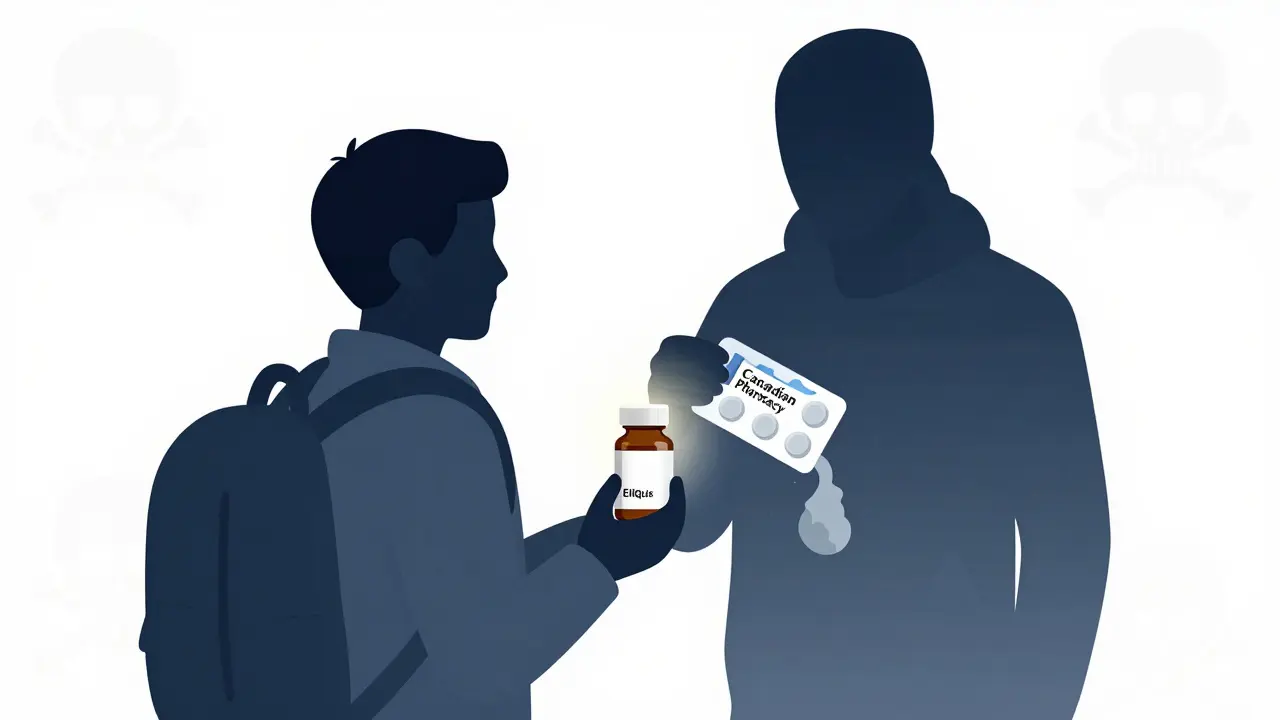
Buying medicine abroad sounds simple-save money, get the same pills, no prescription needed. But behind that easy promise is a dangerous reality. Every year, thousands of travelers and online shoppers end up with fake, contaminated, or completely empty pills that can kill. In 2024, the DEA shut down dozens of online pharmacies selling fake oxycodone laced with fentanyl. One woman in Ohio died after taking just one pill she thought was pain relief. It wasn’t. It was a death sentence wrapped in a branded blister pack.
Why Foreign Medications Are Risky
The biggest myth? That medicine from Canada, India, or Mexico is safe because it’s "the same drug." It’s not. The World Health Organization estimates 1 in 10 medicines sold in low- and middle-income countries are fake. Even if the label says "Liraglutide" or "Eliquis," the pill might contain chalk, rat poison, or no active ingredient at all. In 2023, a Reddit user in Texas bought "Canadian" Eliquis online. The pills had zero active ingredient. He suffered a stroke. He wasn’t alone. Counterfeiters don’t just copy labels-they copy packaging, logos, even QR codes. They use Facebook ads, Instagram influencers, and Google search results to trick you. A site might look like a legitimate Canadian pharmacy, but its physical address doesn’t exist. Its phone number rings to a call center in India. Its "pharmacist" is an AI chatbot.How Illegal Pharmacies Operate
These operations are organized crime, not small-time sellers. They use parallel importation loopholes-buying real drugs in one country, then smuggling them into another where regulations are weaker. The European Medicines Agency found counterfeit GLP-1 weight loss drugs (like semaglutide) flooding the EU in 2024. Many were made in India, shipped to the Netherlands, then relabeled as "German-made." They exploit price gaps. U.S. insulin costs $300 a vial. In Mexico, it’s $25. But if you buy it from an unverified online seller, you’re not getting the same insulin. You’re getting whatever they dumped into a vial. The Drug Supply Chain Security Act (DSCSA) in the U.S. tracks every pill from manufacturer to pharmacy. Illegal imports break that chain. Once a fake pill enters, it’s nearly impossible to trace.Red Flags That Mean Danger
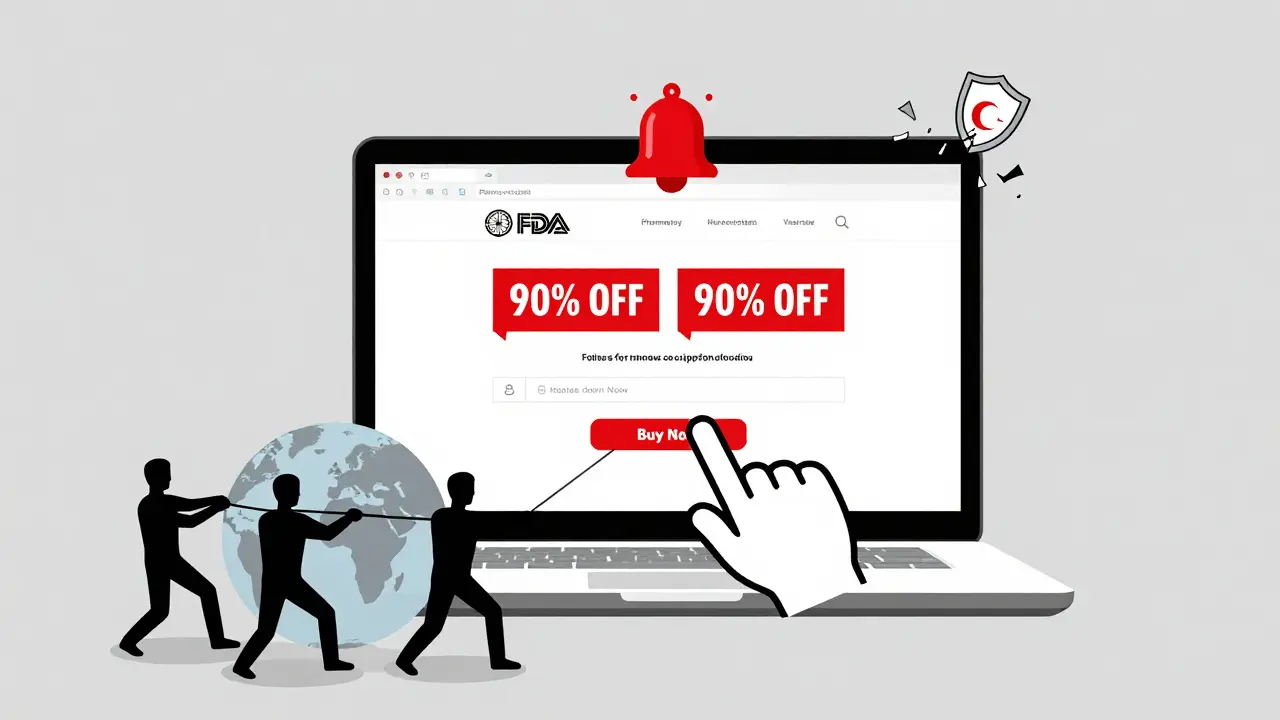
If a website does any of these, walk away:- Sells prescription drugs without a valid prescription
- Lists prices in foreign currency (e.g., Indian rupees, Turkish lira)
- Doesn’t show a physical address or licensed pharmacist contact
- Claims to be "FDA-approved" or "EMA-certified"-regulators don’t endorse individual sellers
- Offers "discounts" that are too good to be true (e.g., 80% off brand-name drugs)
- Delivers pills in plain envelopes with no labeling or foreign-language instructions
How to Verify a Pharmacy Is Legit
There are only two reliable ways to check if an online pharmacy is safe:- Use VIPPS (Verified Internet Pharmacy Practice Sites)-run by the NABP and approved by the FDA. As of October 2024, only 68 U.S. pharmacies hold this certification. You can search them directly at vipps.pharmacy.
- Check your country’s official regulator-in the U.S., go to the FDA’s website. In the EU, use the EMA’s list of authorized online sellers. In Australia, use the TGA’s register. These are government-run, free, and updated weekly.
What to Do If You’re Traveling
If you’re traveling and need medication:- Bring enough for your entire trip, plus extra. Customs often allow a 90-day supply if it’s in original packaging with your name on it.
- Carry a copy of your prescription and a letter from your doctor explaining why you need it.
- Never buy medicine from street vendors, airport kiosks, or unmarked clinics-even if they claim to be "authorized."
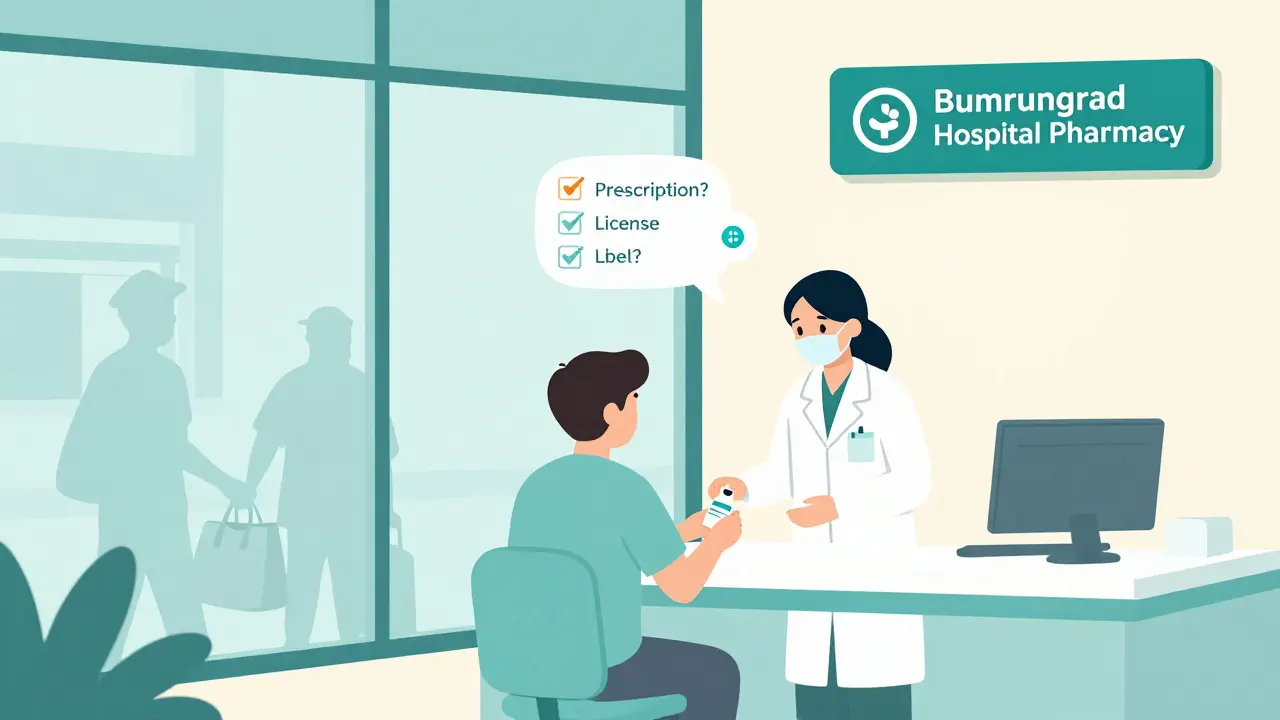
- If you must refill abroad, go to a hospital-affiliated pharmacy. Ask for the pharmacy’s registration number and check it with the country’s health authority.
The Hidden Costs of Fake Medicine
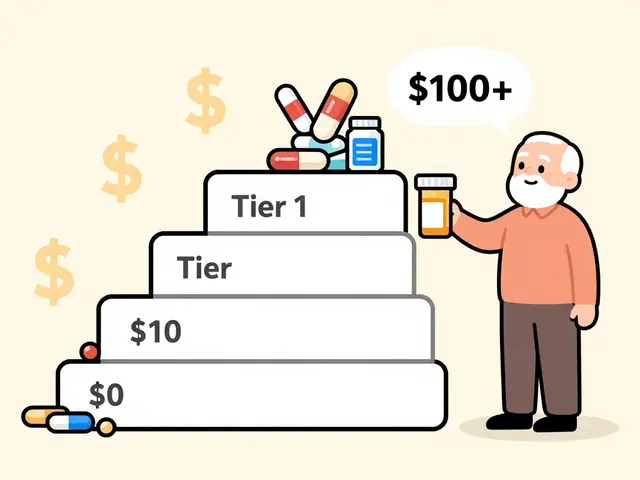
It’s not just about getting sick. Fake drugs cost the U.S. health system $67 billion in 2022. That’s money spent on ER visits, hospitalizations, and long-term care because people took pills that didn’t work. One woman in Florida took counterfeit metformin for diabetes. Her blood sugar spiked. She lost a foot to amputation. Counterfeit antibiotics are even worse. They often contain too little of the active ingredient, which leads to drug-resistant infections. The WHO calls this a global emergency. In Africa, fake antimalarials have caused thousands of preventable deaths. In Southeast Asia, fake tuberculosis drugs are fueling multi-drug-resistant strains. And if you’re caught importing fake drugs? In some countries, you can be arrested. In the U.S., the DEA has prosecuted travelers for bringing in unapproved medications-even if they were for personal use.What You Can Do Right Now
Don’t wait until you’re abroad or desperate. Take action today:- Check your current prescriptions. Are they from a VIPPS-certified pharmacy? If not, switch.
- Bookmark the FDA’s list of unsafe online pharmacies: fda.gov/drugs/online-pharmacy-safety.
- Report suspicious sites to the FDA or your national health agency. Even one report can help shut down a scam.
- Ask your doctor about patient assistance programs. Many drugmakers offer free or low-cost meds to qualifying patients-no foreign pharmacy needed.
Can I legally buy prescription drugs from Canada?
Technically, U.S. law allows individuals to import a 90-day supply of non-controlled medication from Canada for personal use-but only if it’s for a condition that’s being treated and the drug is FDA-approved. In practice, the FDA rarely enforces this rule unless the drug is dangerous or counterfeit. But the real problem? Most "Canadian" pharmacies selling online aren’t in Canada. They’re in India or Turkey, shipping fake or substandard drugs. Even if you think you’re buying from Canada, you’re likely not.
Are online pharmacies that don’t require a prescription safe?
No. Legitimate pharmacies in every country require a valid prescription. If a website sells you insulin, blood pressure pills, or antidepressants without one, it’s illegal-and almost certainly selling counterfeit or dangerous products. The DEA and WHO both warn that this is one of the clearest signs of a scam. No doctor would approve a prescription without evaluating your health. Neither should you trust an online form.
What should I do if I already bought medicine from a suspicious website?
Stop taking it immediately. Contact your doctor and tell them what you took, when, and where you bought it. Bring the packaging-even if it’s empty. Report the site to the FDA’s MedWatch program or your country’s health authority. If you feel sick, go to the ER. Fake drugs can cause delayed reactions: fentanyl poisoning, liver failure, or blood clots might not show up for hours or days. Don’t wait for symptoms to get worse.
How can I tell if my medicine is fake?
Look for these signs: unusual color or shape compared to your usual pills, strange smell, packaging that looks blurry or has typos, missing batch numbers or expiration dates, and foreign-language labels when you expected English. Some fake pills have a metallic taste. If you’re unsure, take the medicine to a licensed pharmacist. They can test it or contact the manufacturer. Never guess.
Is it safer to buy medicine in person while traveling?
It’s safer than buying online-but only if you go to a hospital pharmacy or a large, well-known chain like Boots (UK), CVS (U.S.), or Chemist Warehouse (Australia). Avoid small clinics, street vendors, or pharmacies in tourist zones. Ask to see the pharmacy’s registration number and verify it with the country’s health ministry. If they refuse or seem annoyed, walk out. Legitimate pharmacies are proud of their credentials.
Poppy Newman
January 8, 2026 AT 04:22Sai Ganesh
January 9, 2026 AT 22:14Jessie Ann Lambrecht
January 11, 2026 AT 16:19Adam Gainski
January 11, 2026 AT 20:03Katrina Morris
January 13, 2026 AT 02:30Alex Danner
January 15, 2026 AT 00:57Anthony Capunong
January 15, 2026 AT 06:36Andrew N
January 16, 2026 AT 21:29Aparna karwande
January 17, 2026 AT 19:43LALITA KUDIYA
January 19, 2026 AT 01:12Anastasia Novak
January 19, 2026 AT 21:12Elen Pihlap
January 21, 2026 AT 15:22Vince Nairn
January 22, 2026 AT 02:53Jonathan Larson
January 22, 2026 AT 15:12Rachel Steward
January 22, 2026 AT 22:00