
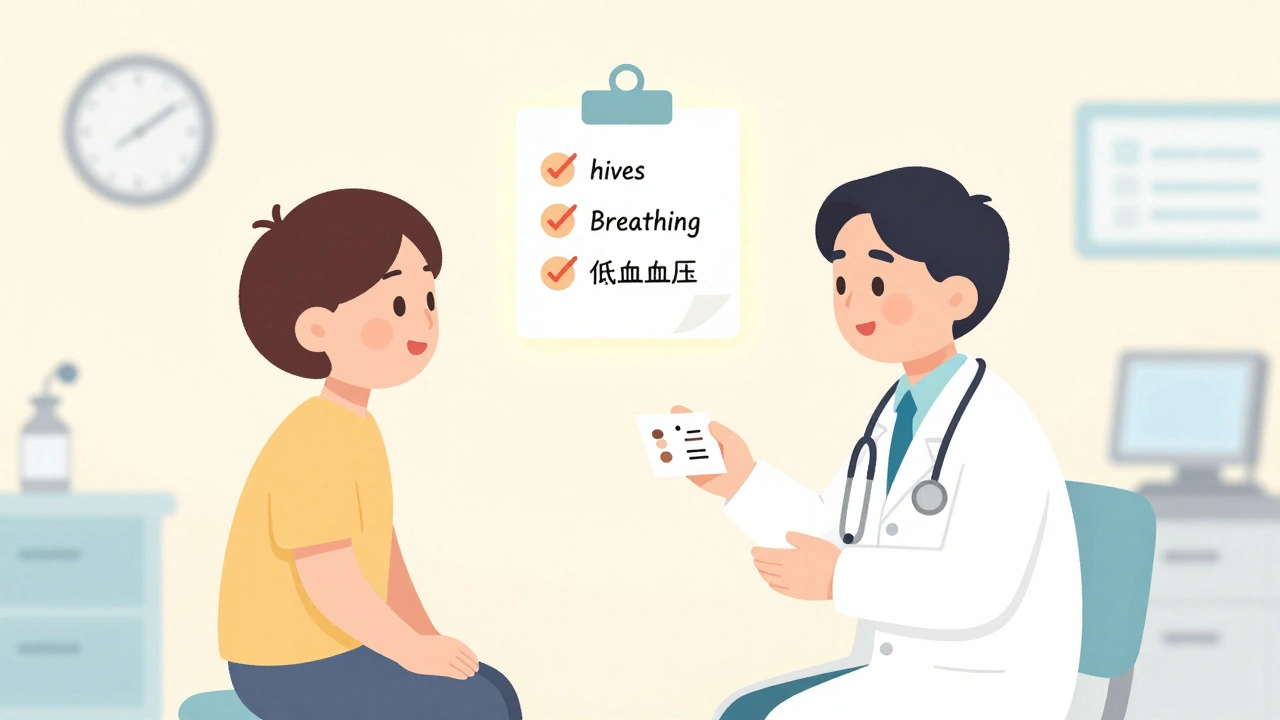
Getting ready for surgery isn’t just about fasting or stopping certain meds. One of the most important things you can do-something many patients overlook-is clearly telling your care team about any past drug reactions. This isn’t just a formality. It’s a life-saving step. A reaction to a medication during surgery can turn a routine procedure into a crisis. Anaphylaxis, dangerously low blood pressure, or severe breathing problems can happen in seconds if the wrong drug is given. And the scary part? Most of these reactions are preventable-if the right information is shared ahead of time.
Why Drug Reactions Matter More Than You Think
You might think, "I had a rash from penicillin years ago. It’s not a big deal." But in surgery, even a mild reaction in the past can signal a real risk. The body doesn’t forget. If you’ve ever had a reaction to a drug-whether it was a fever, hives, trouble breathing, or vomiting-you need to report it. Not just the drug name. The full story.According to a 2022 NIH study, about 4.5% of surgical complications involve medication errors. Of those, allergic or adverse reactions make up 1.1% of anesthesia-related deaths. That’s not a small number. And it’s not random. These events happen because the chain of communication broke down somewhere. Maybe the nurse didn’t ask the right question. Maybe you didn’t know how to describe what happened. Or maybe your old records got lost.
The good news? Hospitals that use structured protocols cut drug-related complications by 37%. That’s not magic. That’s better communication.
What Counts as a Drug Reaction?
Not every side effect is an allergy. But patients often say "I’m allergic" when they mean "it made me sick." That’s a problem.True allergies involve your immune system. Symptoms include:
- Hives, swelling, or itchy skin
- Wheezing, tight throat, or trouble breathing
- Dropping blood pressure, dizziness, or passing out
- Severe nausea or vomiting right after the drug was given
These are different from side effects like:
- Nausea from codeine (common, not allergic)
- Drowsiness from morphine
- Headache after a spinal block
But here’s the catch: anesthesiologists can’t always tell the difference unless you explain it clearly. A nurse on AllNurses.com said it best: "Patients often say they’re allergic when they just had a bad side effect. We spend valuable time sorting that out." So be precise. Don’t just say "it made me sick." Say: "After they gave me morphine, I broke out in hives and my throat swelled up. They gave me epinephrine and I had to be rushed to ICU."
What to Document Before Surgery
You need more than a list of drugs. You need the full picture. Here’s what your care team needs:- The drug name: Generic or brand? If you don’t know the name, describe it: "It was a shot they gave me before surgery. It made me go stiff and I couldn’t breathe."
- When it happened: Was it 3 years ago? 10? The timing helps determine risk.
- What happened: List every symptom, even if it seems minor. Did you feel dizzy? Did your face turn red? Did your heart race?
- How it was treated: Did you get antihistamines? Epinephrine? Were you intubated? This tells them how serious it was.
- Other meds you took: Did you take anything else that day? Even vitamins or herbal teas? Some reactions happen from combinations.
For example: "I had a reaction to rocuronium in 2019. Within 30 seconds of the IV, my chest tightened, my face flushed, and I couldn’t breathe. They gave me Benadryl and epinephrine. I spent the night in ICU. I’ve been told to avoid all neuromuscular blockers since."
This level of detail helps anesthesiologists pick safe alternatives. It also helps pharmacists flag your chart before surgery.
Who Needs to Know? The Communication Chain
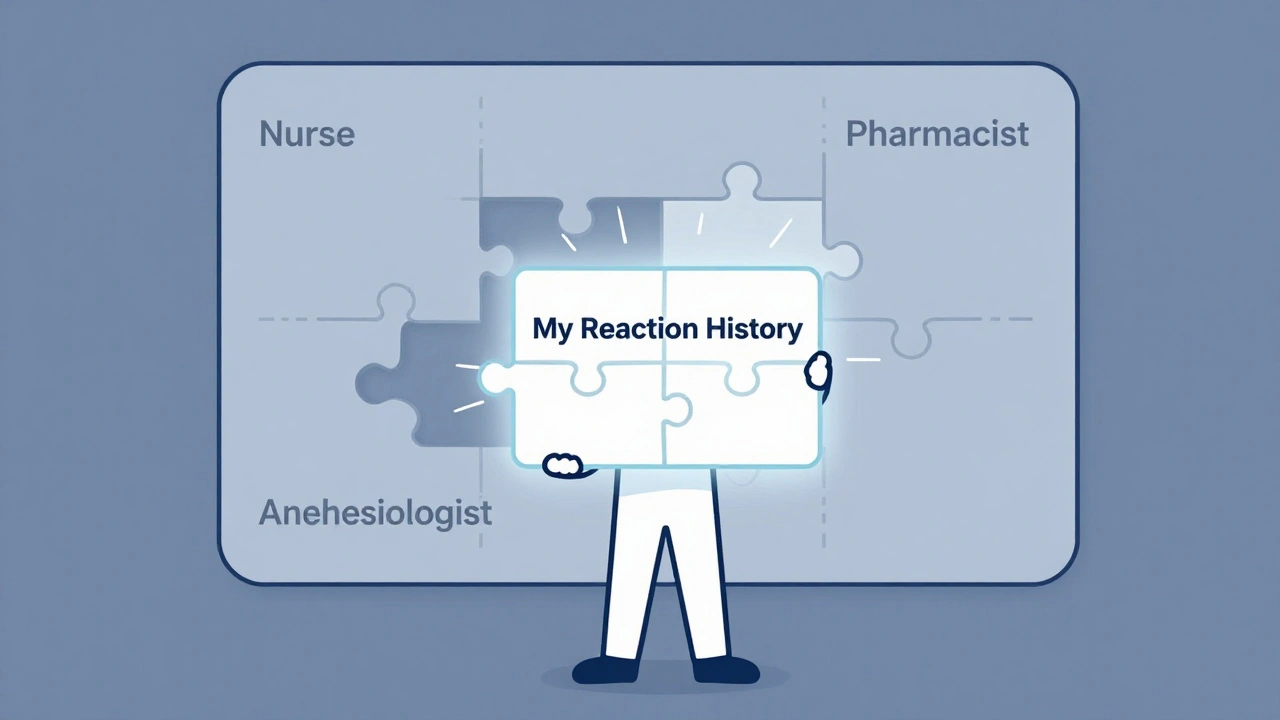
It’s not enough to tell your surgeon. You need to tell everyone involved.- Your primary doctor: Tell them early-ideally weeks before surgery. They can refer you to an allergist if needed.
- The pre-op nurse: They’ll ask you questions on paper or on a tablet. Don’t rush. Take your time.
- The anesthesiologist: They’ll meet you the day of surgery. This is your last chance to speak up. If you didn’t get a chance to talk to them before, say: "I need to talk to you about a past drug reaction."
- The pharmacist: Many hospitals now have pharmacists review your meds 24 hours before surgery. They check for interactions and allergies. If you’ve had a reaction to antibiotics, narcotics, or latex, they need to know.
Studies show hospitals using pharmacist-led screening catch 92% of drug interactions-compared to 78% without. That’s a huge difference.
What About Emergency Surgery?
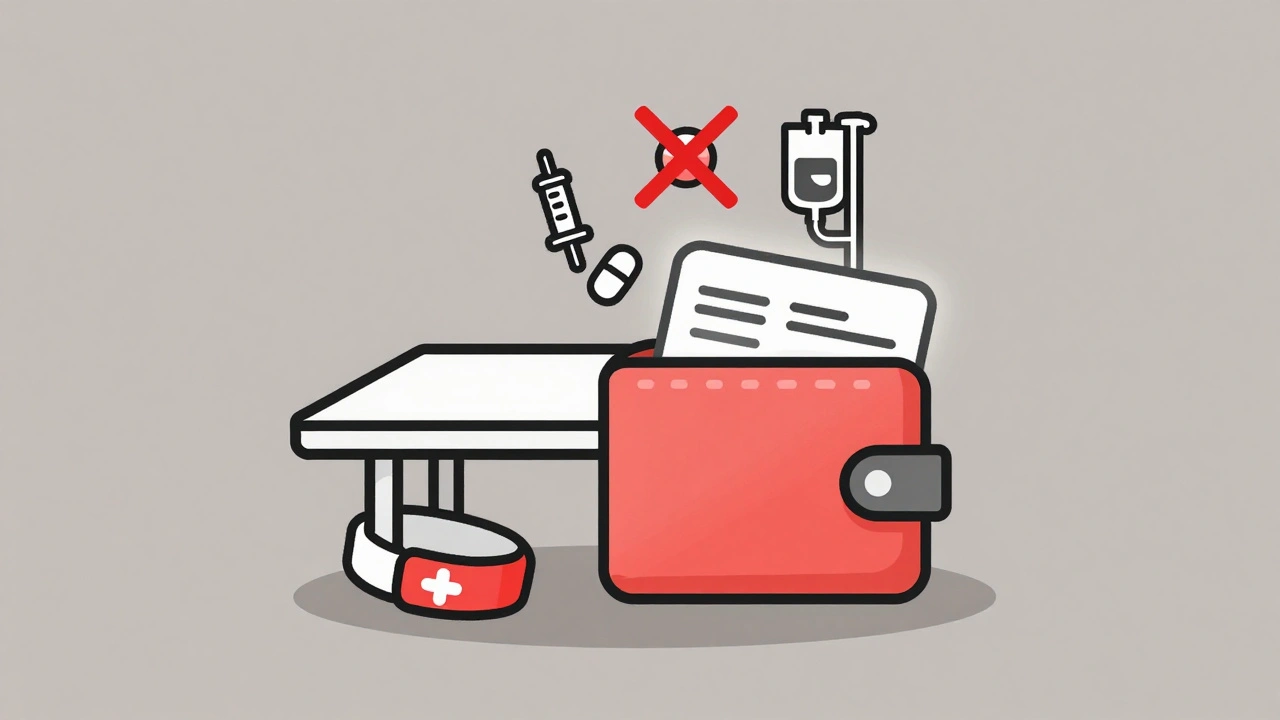
If you’re having emergency surgery, there’s no time for a full review. That’s why it’s even more critical to have your info ready before it happens.- Wear a medical alert bracelet or necklace that says your allergy.
- Carry a small card in your wallet with your drug reactions and emergency contact.
- Save a note on your phone: "Allergic to rocuronium, sulfa, codeine. Reaction: anaphylaxis. Treated with epinephrine."
Even in emergencies, if the team knows your history, they can avoid dangerous drugs. One 2021 incident reported to the Anesthesia Patient Safety Foundation involved a patient with a known vancomycin allergy who got the drug anyway because no one checked the chart. The patient went into anaphylaxis. They survived-but barely.
What You Shouldn’t Do
There are common mistakes that put you at risk:- Don’t assume your old records are enough. Many systems don’t link records across hospitals. Your 2018 allergy note might not be visible in 2025.
- Don’t downplay your reaction. Saying "it was just a little rash" might make them think it’s not serious. Use strong language: "It was life-threatening."
- Don’t wait until the last minute. If you’re scheduled for surgery next week, and you just remembered a reaction from 5 years ago, call your doctor now. Don’t wait for the pre-op call.
- Don’t ignore over-the-counter meds or supplements. St. John’s Wort, fish oil, garlic pills-they can all interact with anesthesia.
Tools That Help
You don’t have to rely on memory. Use these tools:- Standardized allergy cards: Many allergists give these out. They list your reactions and safe alternatives. Carry one.
- Electronic health record (EHR) portals: Log in to your hospital’s patient portal. Check your allergy list. If it’s wrong or missing, message your doctor.
- Medication apps: Apps like MyTherapy or Medisafe let you log reactions and share them with your care team.
Eighty-seven percent of allergists recommend allergy cards. If you’ve had a serious reaction, ask your doctor for one.
What Happens After Your Reaction Is Reported?
If your reaction was severe, you may be referred to an allergist. They’ll do skin tests or blood tests to confirm what you’re allergic to. This usually takes 4-8 weeks. Until then, your care team will assume you’re allergic and avoid that drug.For certain high-risk drugs like MAOIs (used for depression), you’ll need to stop them at least 2 weeks before surgery. NSAIDs like ibuprofen should be stopped 7 days before. Ticagrelor (Brilinta) needs 3-5 days off. Your surgeon or anesthesiologist will give you exact timelines.
And if you need surgery again before your allergist sees you? The rule is simple: only do it if it’s an emergency.
Real Stories, Real Outcomes
One patient on Reddit shared: "I had a reaction to rocuronium 10 years ago. The pre-op nurse spent 20 minutes writing down every detail-what I ate, how I felt, even my stress levels. I cried. No one had ever cared that much before. I felt safe." Another patient on Healthgrades wrote: "I told them I was allergic to codeine. They ignored it. I threw up for three days after surgery." The difference? One person was heard. The other wasn’t.Your Action Plan
Here’s what to do right now:- Write down every drug you’ve ever reacted to-name, date, symptoms, treatment.
- Call your doctor and ask: "Has this been documented in my chart?"
- Ask for a copy of your allergy list from your hospital’s patient portal.
- Make a physical card or digital note with your reactions and hand it to your surgeon and anesthesiologist.
- If you’ve had a serious reaction, ask if you need to see an allergist before surgery.
Don’t wait for them to ask. Ask first. Your life depends on it.
What If You Don’t Remember the Drug Name?
It’s common. One study found 32% of patients couldn’t recall the exact drug name. That’s okay. Describe it:- "It was a shot they gave me right before I went to sleep."
- "It was the green liquid they gave me in the IV."
- "It was the pill I took for pain after my last surgery."
Even vague details help. Anesthesiologists know what drugs are used at what stage. If you say "it happened right after I got the IV," they’ll know it was likely a muscle relaxant or induction agent.
What if I think I’m allergic but I’m not sure?
Always report it. Even if you’re unsure, it’s better to be safe. Anesthesiologists can distinguish between true allergies and side effects-but only if they know the full story. Don’t guess. Describe what happened. They’ll figure out the rest.
Can I just tell the nurse instead of the anesthesiologist?
No. Nurses document your history, but the anesthesiologist makes the final decisions about what drugs to use. You must speak directly to them. If you’ve already told the nurse, say: "I need to talk to the anesthesiologist about a past reaction." Don’t assume it’s been passed on.
Do I need to report allergies to over-the-counter drugs?
Yes. Aspirin, ibuprofen, and even herbal supplements like echinacea can interact with anesthesia. Many patients don’t think of these as "medications," but they are. List everything you take, even if it’s "just a vitamin."
What if I’ve never had a reaction but my family has?
Family history doesn’t usually mean you’re allergic. Drug allergies aren’t typically inherited. But if a close relative had a severe reaction to a drug you might get during surgery, mention it. It could prompt extra caution.
Can I get tested for drug allergies before surgery?
Yes-if you’ve had a serious reaction. Allergists can do skin tests or blood tests to confirm what you’re allergic to. This usually takes 4-8 weeks. If you’re scheduled for elective surgery, ask your doctor for a referral. For emergency cases, testing isn’t possible, so avoidance is the rule.




Noah Raines
December 7, 2025 AT 14:56Michael Robinson
December 7, 2025 AT 23:09precious amzy
December 9, 2025 AT 10:05Tejas Bubane
December 9, 2025 AT 11:55Lisa Whitesel
December 11, 2025 AT 08:05Larry Lieberman
December 13, 2025 AT 03:05Sabrina Thurn
December 13, 2025 AT 15:35Courtney Black
December 15, 2025 AT 13:17iswarya bala
December 16, 2025 AT 18:49Brianna Black
December 18, 2025 AT 02:52Iris Carmen
December 19, 2025 AT 05:46Ruth Witte
December 20, 2025 AT 18:16Chris Marel
December 21, 2025 AT 01:06precious amzy
December 21, 2025 AT 03:14