
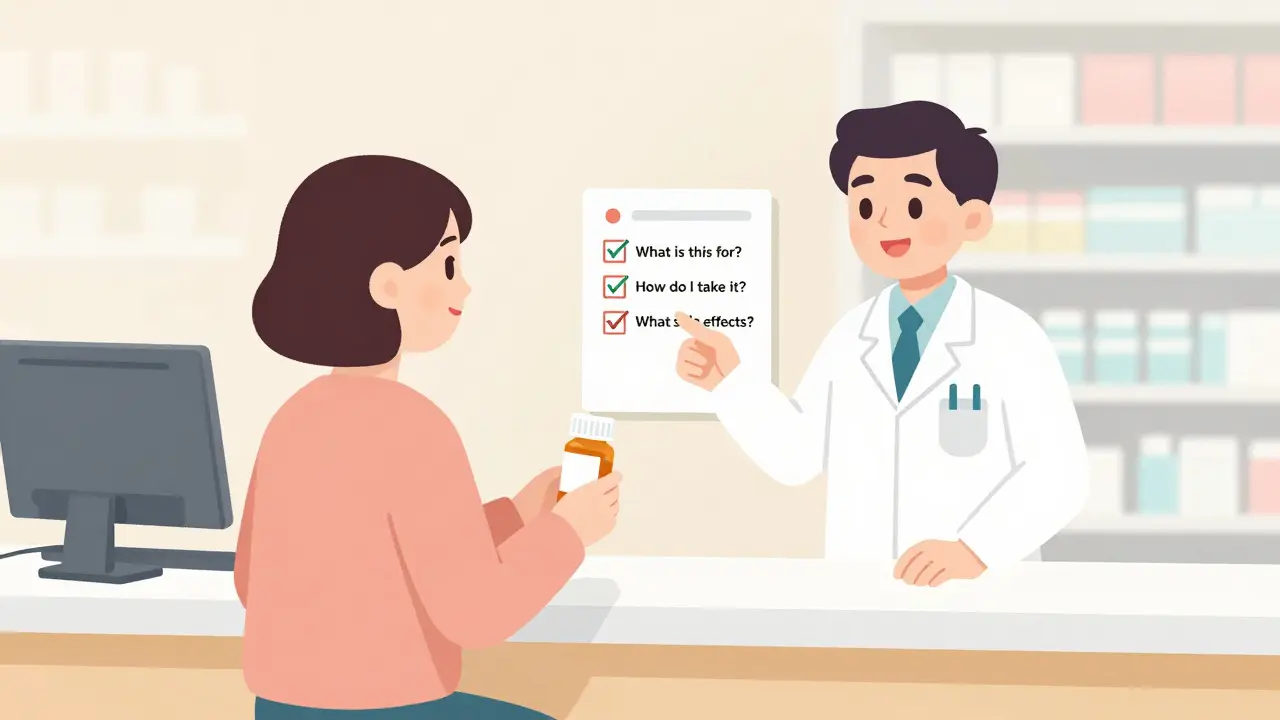
Most people know to ask their doctor about a new prescription. But how many stop to ask the person who actually hands them the bottle? Your pharmacist is one of the most accessible, trained experts on your medications - and they’re waiting to help. Yet, too many patients leave the pharmacy without asking the right questions, risking side effects, dangerous interactions, or even hospital visits. In fact, medication errors send over 1.3 million Americans to the emergency room every year. The good news? You can cut that risk dramatically by asking just a few key questions at pickup.
What is this medication for, and how will it help me?
It sounds simple, but 30% of medication errors happen because patients don’t understand why they’re taking a drug. You might be prescribed something for high blood pressure, but if you think it’s for headaches, you’ll stop taking it when your head stops hurting. That’s dangerous. Always confirm: What condition is this meant to treat? And how will I know it’s working? For example, if you’re on a statin for cholesterol, you won’t feel better - but your next blood test will show results. Knowing what to expect helps you stay on track.
How and when should I take it?
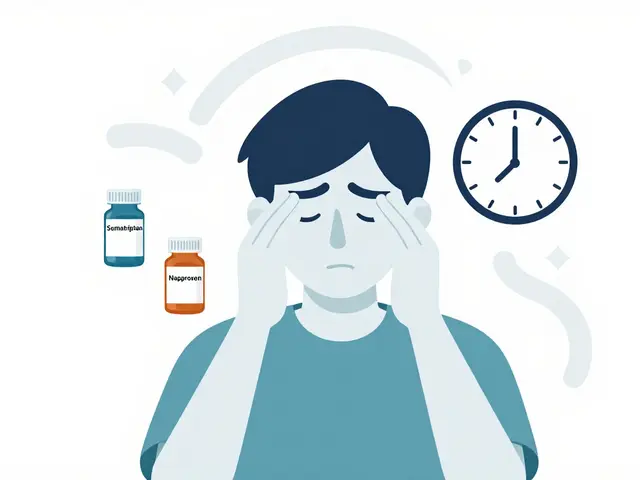
Timing matters more than you think. Some pills need to be taken on an empty stomach - food can block absorption. Others work best with food to avoid nausea. Some must be taken at night because they cause drowsiness. Others need to be spaced evenly throughout the day to keep levels steady. Ask: Should I take this with or without food? What time of day is best? Can I take it with my morning coffee or alcohol? One patient in Brisbane was taking a blood pressure med at night, but it was causing dizziness in the morning. The pharmacist discovered the timing was wrong - switching it to bedtime fixed everything.
What side effects should I expect - and which ones are dangerous?
Every medication has side effects. But not all are equal. Some are mild and temporary - like dry mouth or mild nausea. Others signal something serious. Ask: What are the most common side effects? Which ones mean I need to call my doctor right away? For example, if you’re on an antibiotic and get diarrhea, that’s common. But if it’s watery, bloody, or lasts more than two days, it could be a life-threatening infection like C. diff. Also ask about less obvious risks: Will this make me more sensitive to the sun? (Common with some antibiotics and acne meds.) Does it affect my ability to drive or operate machinery? In warmer months, sun sensitivity can lead to severe burns - something your pharmacist knows from experience.
Could this interact with my other meds, supplements, or foods?
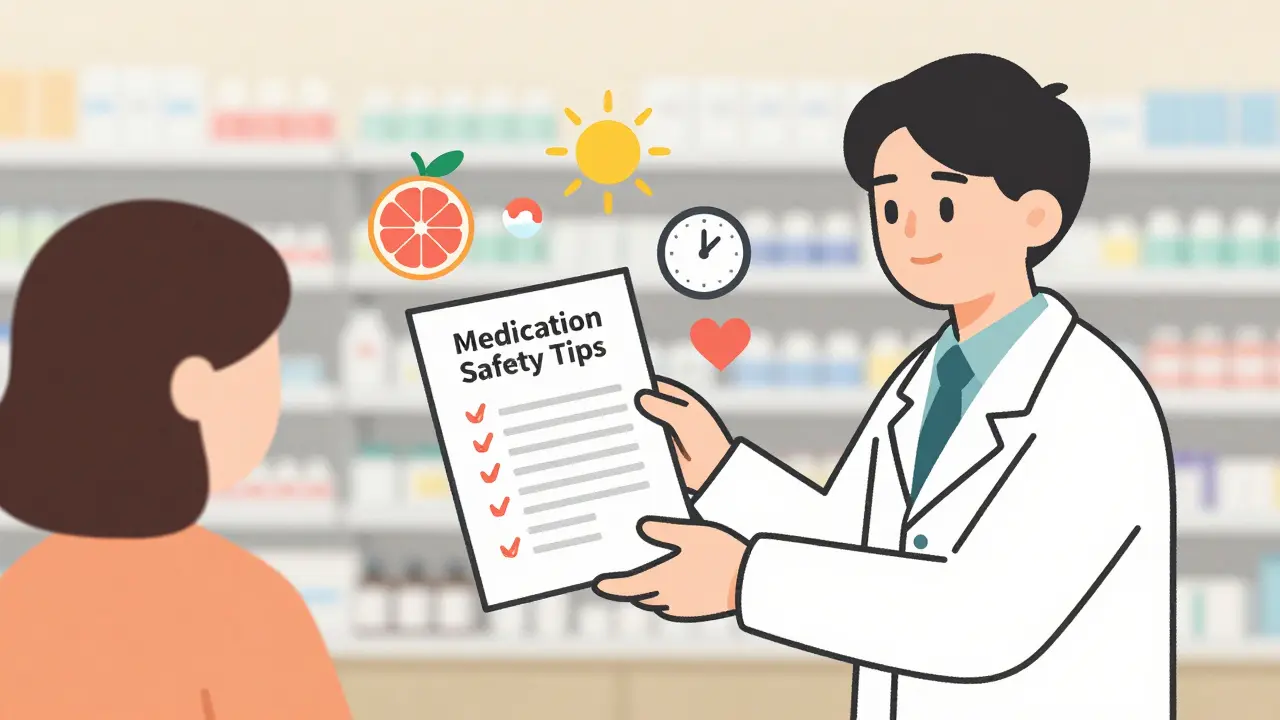
Most people don’t realize that over-the-counter pills, vitamins, herbal teas, and even grapefruit juice can react badly with prescription drugs. The FDA says 15% of hospital admissions are due to preventable drug interactions. Ask: Does this interact with anything else I’m taking? Bring your full list - including CBD, turmeric, St. John’s Wort, or fish oil. One Reddit user found out their blood pressure med clashed with hawthorn berry supplements they’d been using for heart health. Their doctor never asked about supplements. Their pharmacist did - and stopped a potential crisis.
What if I miss a dose?
Life happens. You forget. You’re traveling. You run out. Knowing what to do when you miss a dose prevents panic - and danger. Ask: Should I take it as soon as I remember? Or skip it and wait for the next dose? Is it safe to double up? Taking two pills at once can overdose you. Skipping doses for chronic conditions like diabetes or heart disease can cause long-term damage. Pharmacists have clear, written guidelines for every drug - and they’ll tell you exactly what to do.
Is there a cheaper or generic version?
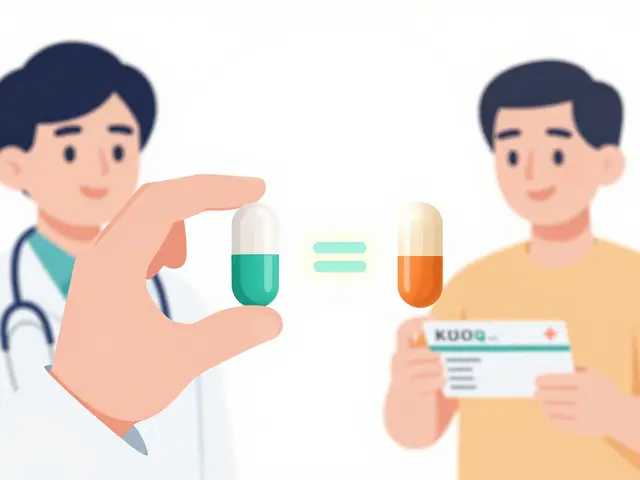
Brand-name drugs can cost 80-85% more than generics - and they work exactly the same. The FDA requires generics to match brand-name drugs in strength, safety, and effectiveness. Ask: Is there a generic version available? Can I switch to it? Even if your insurance covers the brand, the copay might be lower for the generic. Some pharmacies offer $4 generic programs for common meds like metformin or lisinopril. If cost is stopping you from filling your prescription, say so. Pharmacists know about patient assistance programs, manufacturer coupons, and mail-order options you might not.
Are there non-drug alternatives?
Medication isn’t always the only answer. For mild high blood pressure, weight loss and reduced salt intake can help. For early-stage diabetes, exercise and diet changes can delay or even prevent the need for pills. Ask: Are there lifestyle changes I could try instead - or alongside this medicine? Your pharmacist isn’t just a pill dispenser. They’re trained in nutrition, behavior change, and chronic disease management. They can point you to resources, recommend supplements that actually help (and warn you about the ones that don’t), and even suggest apps or trackers to support your health goals.
When will I start to feel better - or know it’s working?
Many patients stop taking meds because they don’t feel immediate results. Antidepressants can take 4-6 weeks. Blood pressure meds might not make you feel different at all. Thyroid meds? You’ll notice energy changes after weeks. Ask: How long should I wait before I notice improvement? Will I need blood tests or checkups to monitor this? If you don’t know what success looks like, you’ll assume the drug isn’t working - and quit. That’s how 50% of people stop taking chronic meds within the first year.
Where can I find reliable information about this drug?
Google can give you scary, outdated, or misleading info. Ask your pharmacist: What’s the best place to get accurate, up-to-date details? They’ll often hand you a printed patient leaflet - or point you to trusted sources like the FDA’s website, MedlinePlus, or the drug manufacturer’s official site. Avoid random blogs or forums. Pharmacists know which sources are science-backed and which are just rumors.
How do I store this safely?
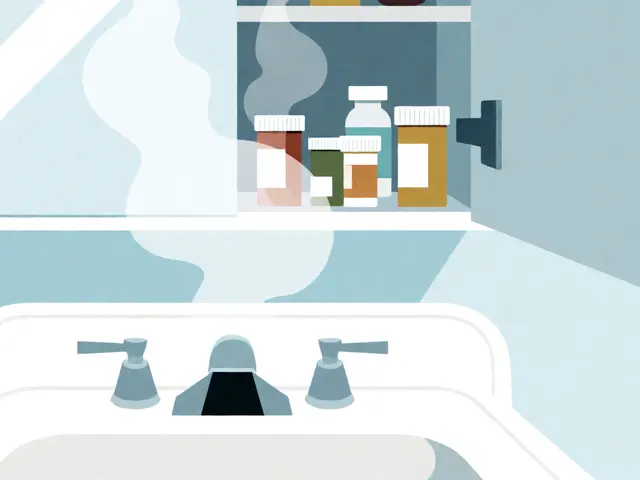
Some meds need refrigeration. Others lose potency if exposed to heat or moisture. Antibiotics, insulin, and certain heart medications are especially sensitive. Ask: Should I keep this in the fridge? Can I leave it in my car or bathroom? Storing pills in a humid bathroom can make them ineffective. Leaving insulin in a hot car can ruin it. Your pharmacist will tell you exactly how to keep your meds safe - and what to do if they’re accidentally exposed to extreme temperatures.
How can I remember to take it?
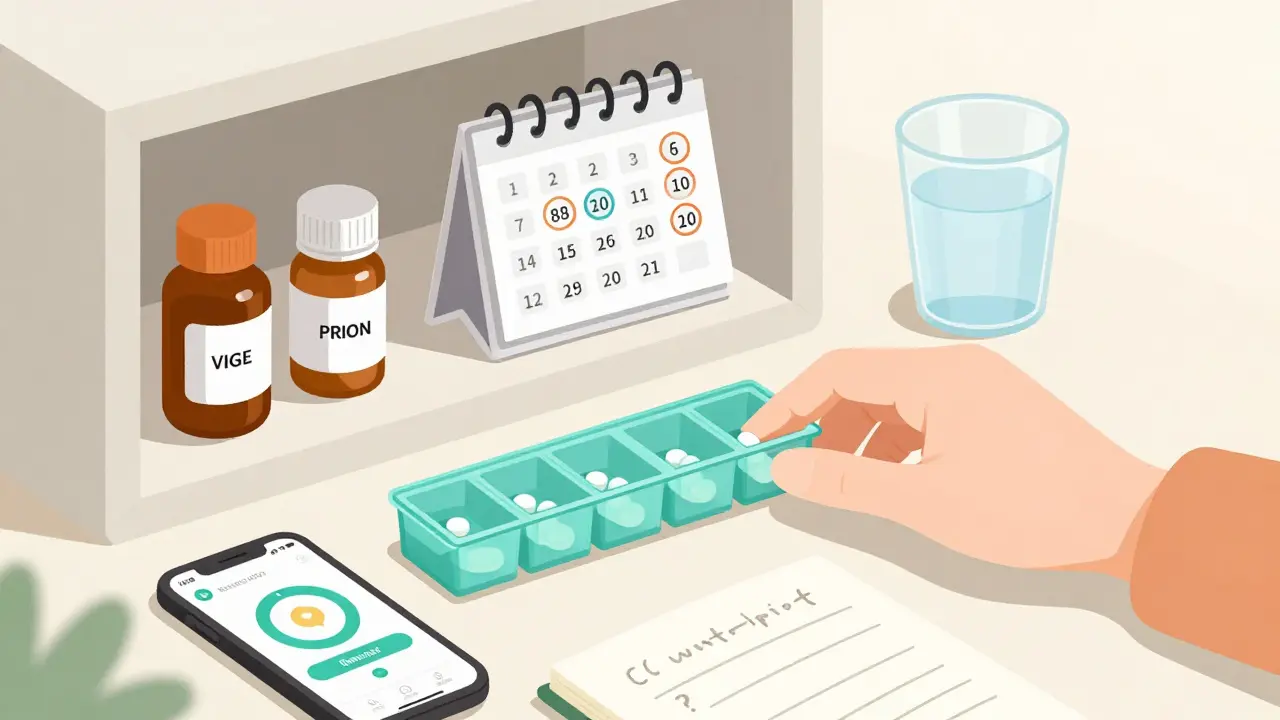
One in four people don’t take their meds as prescribed. That’s not laziness - it’s forgetfulness, confusion, or complexity. Ask: What tools or tricks do you recommend to stay on track? Pharmacists have seen it all: pill organizers, phone alarms, blister packs, even text reminders. Some pharmacies offer free blister packaging that sorts pills by day and time. Others partner with apps that send alerts. If you’re juggling five or more meds, this isn’t optional - it’s essential.
What should I bring to my next pharmacy visit?
Don’t wing it. Bring a complete list of everything you take: prescription drugs, over-the-counter pills, vitamins, herbal remedies, even eye drops and patches. Use the FDA’s free My Medicine Record form - it’s simple and covers 17 key details. Update it every time something changes. This isn’t just for your pharmacist - it’s for every doctor, ER visit, or hospital admission. It saves lives.
Why this matters more than you think
Pharmacists are the most accessible healthcare professionals in the U.S. - 94% of Americans live within five miles of one. Yet, most visits last only 2.7 minutes. That’s not enough time to answer all your questions if you don’t come prepared. The average pharmacist fills 327 prescriptions a day. They’re not mind readers. But if you ask clear, specific questions, they’ll give you clear, specific answers.
Studies show patients who ask at least three questions about their meds have 65% fewer medication-related problems. Those who use the ‘teach-back’ method - explaining instructions back in their own words - improve adherence by 40%. And when pharmacists catch errors early, hospital admissions drop by 27%.
This isn’t about being difficult. It’s about being smart. You’re not just getting a pill. You’re getting a safety net. And that safety net only works if you pull on it.
Can I ask my pharmacist questions even if I didn’t get the prescription from them?
Yes. You can ask any licensed pharmacist questions about any medication, even if you filled it elsewhere. Pharmacists are trained to review your full medication list and spot potential issues - regardless of where the prescription came from. Many pharmacies encourage this, especially if you’re taking multiple drugs.
Do pharmacists charge for these consultations?
No, basic consultations about how to take your meds, side effects, or interactions are free. In Australia and the U.S., these services are part of standard pharmacy care. However, some advanced services like Medication Therapy Management (MTM) may require eligibility (like Medicare Part D in the U.S.) or a referral. Always ask - most basic advice is included with your prescription.
What if I feel rushed or the pharmacist seems too busy?
It’s okay to say, ‘I have a few questions and don’t want to rush - is there a better time to talk?’ Many pharmacies have private consultation rooms. If you’re in a chain pharmacy, ask if they offer a ‘medication review’ appointment - these are usually 15-30 minutes and scheduled in advance. Don’t leave without answers just because it’s busy. Your safety matters more than their queue.
Can pharmacists change my prescription or refuse to fill it?
They can’t change your prescription - only your doctor can. But they can refuse to fill it if they spot a dangerous interaction, overdose risk, or potential abuse. If that happens, they’re legally required to contact your doctor to resolve it. Don’t take it personally - it’s their job to protect you. They’ll often call your doctor on your behalf and help you get a safer alternative.
How often should I review my meds with a pharmacist?
At least once a year - or anytime you start, stop, or change a medication. If you’re on five or more drugs, or have multiple chronic conditions, aim for every six months. Medicare Part D patients are eligible for annual MTM reviews. Even if you’re not eligible, ask your pharmacist if they offer a free ‘medication check-up.’ It takes 10 minutes and could prevent a serious problem.
Next steps: Be ready next time you pick up a prescription
Before you go to the pharmacy, write down your top three questions. Bring your full meds list - including supplements. Don’t be shy. Pharmacists want you to ask. The more you ask, the better they can help. And if you forget what to say, remember this: What is this for? How do I take it? What should I watch out for? That’s all you need to start.

Luke Davidson
January 23, 2026 AT 22:08Josh McEvoy
January 25, 2026 AT 19:07Viola Li
January 26, 2026 AT 23:39Jenna Allison
January 28, 2026 AT 10:36Vatsal Patel
January 30, 2026 AT 05:13John McGuirk
January 31, 2026 AT 08:24Tommy Sandri
February 1, 2026 AT 05:39Tiffany Wagner
February 3, 2026 AT 02:57lorraine england
February 4, 2026 AT 12:06Darren Links
February 5, 2026 AT 05:49Kat Peterson
February 7, 2026 AT 05:47Heather McCubbin
February 8, 2026 AT 05:56Jamie Hooper
February 9, 2026 AT 10:22Michael Camilleri
February 9, 2026 AT 14:09