
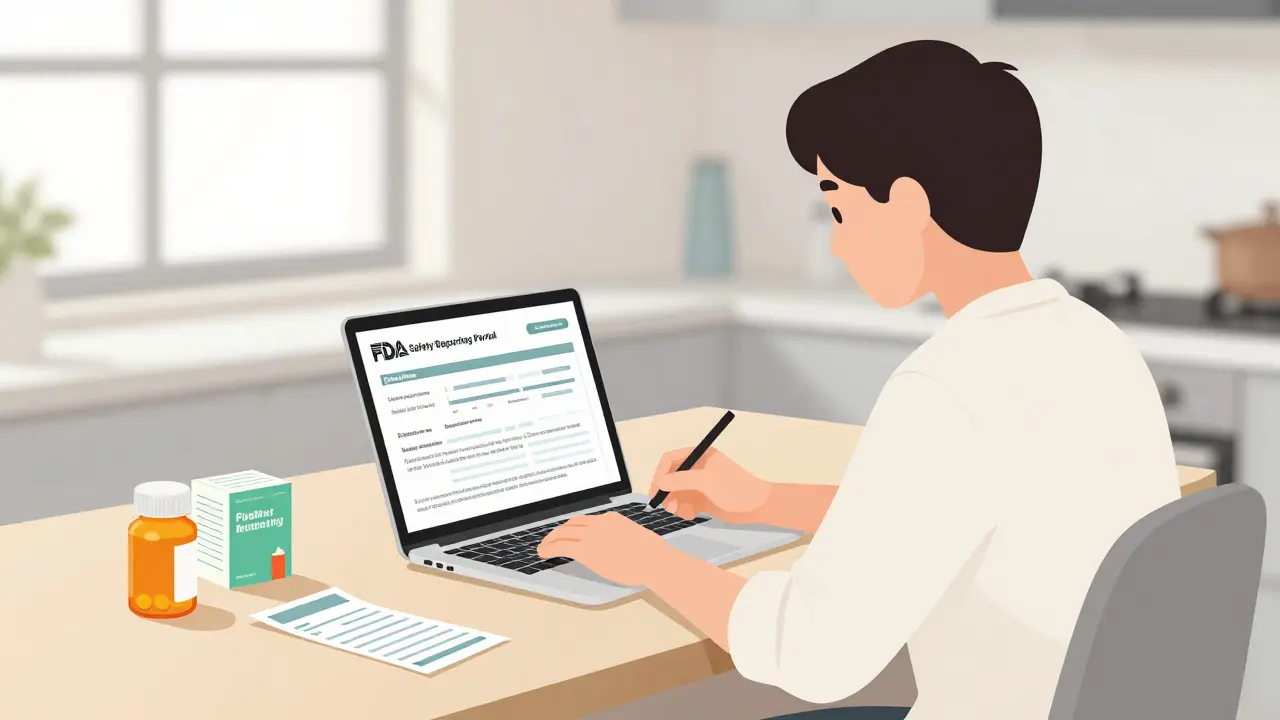
Every year, thousands of people in the U.S. experience unexpected side effects from medications, faulty medical devices, or contaminated supplements. Many assume nothing can be done - that their experience is too small to matter. But that’s not true. The FDA has a system built exactly for this: FDA patient reporting. You don’t need to be a doctor. You don’t need to work in healthcare. If you or someone you care for had a bad reaction, a device failed, or a product didn’t work as it should, you can report it directly to the FDA - and your report could help prevent others from going through the same thing.
What Counts as a Reportable Issue?
Not every minor discomfort qualifies. The FDA looks for specific types of problems that suggest a real safety concern. These include:- Serious adverse reactions - like hospitalization, life-threatening events, permanent disability, birth defects, or death linked to a drug, biologic, or device.
- Product quality problems - such as pills that look broken, discolored, or contain foreign objects; insulin pens that don’t deliver the right dose; or hearing aids that stop working after one use.
- Therapeutic failure - when a medication you’ve taken for months suddenly stops working, or a device like a pacemaker starts malfunctioning without warning.
- Use errors - if a product’s instructions are unclear, misleading, or if the design makes it easy to misuse (like a pill bottle that opens too easily for children or a glucose meter that gives wrong readings).
Even if you’re not sure whether it’s serious enough, report it anyway. The FDA doesn’t dismiss reports just because they seem small. One patient’s report about a strange rash after using a new cream led to the discovery of a hidden allergen in 12 other products.
How to File a Report: Step by Step
There are four ways to file a report with the FDA. The easiest and fastest is online, but if that doesn’t work, you have backups.- Use the Safety Reporting Portal (SRP) - Go to safetyreporting.hhs.gov. This is the FDA’s official online form. You’ll need basic info: your name and contact details (optional), the patient’s age and sex, the product name, lot number, and expiration date (if available), a clear description of what happened, when it started, and the outcome. The form takes 15-20 minutes. If the portal crashes - and it often does - don’t panic. Keep trying. Or switch to another method.
- Download and mail the FDA Form 3500 - Visit the FDA’s MedWatch page and search for “Form 3500.” Print it, fill it out by hand, and mail it to: FDA MedWatch, 5600 Fishers Lane, Rockville, MD 20852. This form is also available in Spanish (Form 3500B). This method avoids tech issues entirely. It takes longer - about 25-30 minutes - but it’s reliable.
- Call the FDA - Dial 1-800-FDA-1088 (1-800-332-1088). Operators are available Monday through Friday, 8 a.m. to 8 p.m. Eastern Time. They’ll walk you through the report over the phone. This is helpful if you’re not comfortable writing or typing out symptoms. They’ll record everything for you.
- Use a manufacturer’s app (if available) - Some companies, like Medtronic, now let you report directly through their apps. These reports get sent to both the company and the FDA. It’s faster, and you get confirmation faster too.
What Information Do You Need?
You don’t need a medical degree, but having these details ready makes your report stronger:- Product details - Brand name, generic name, manufacturer, lot number, and expiration date. Lot numbers are often printed on the box or the blister pack. If you threw the packaging away, check your pharmacy receipt - sometimes it’s listed there.
- What happened - Be specific. Instead of saying “I felt sick,” say “I had severe dizziness and blurred vision starting 20 minutes after taking the pill on March 3, 2025. It lasted 6 hours.” Include when it started, how long it lasted, and whether it got worse or better.
- Other meds or supplements - List everything you were taking at the time, even over-the-counter stuff like ibuprofen or fish oil. Many reactions happen because of interactions.
- Outcome - Did you go to the ER? Were you hospitalized? Did you stop using the product? Did you recover fully?
Don’t worry if you don’t have all the details. The FDA says over 40% of patient reports lack lot numbers. They still use them. The more you can provide, the better - but even a partial report helps.
Why Your Report Matters
Most people think clinical trials catch everything. They don’t. Trials involve a few thousand people. Real life involves millions. That’s where patient reports shine.A 2024 FDA analysis found that patient reports were 2.3 times more likely to describe new types of misuse or errors than reports from doctors or hospitals. For example, in early 2024, 287 patients reported insulin pens leaking or delivering inconsistent doses. That led to a safety alert to 12 million users. Without those reports, the FDA might have missed it for months.
Another example: a cancer patient reported her immunotherapy drug caused sudden swelling in her feet - something never seen in trials. That report helped doctors identify a rare side effect now listed on the drug’s label.
And here’s the kicker: your report stays anonymous. Under FDA rule 21 CFR 10.75, your name and contact info are protected unless you give permission to share them. You won’t be contacted unless they need more info. You won’t be sued. You won’t be tracked.
What Doesn’t Work
There are myths about patient reporting that keep people from doing it.- Myth: “I’m not a doctor, so my report won’t count.” Truth: Over 15-20% of all FDA reports come from patients. The FDA actively encourages them.
- Myth: “It’s too late to report if it happened months ago.” Truth: There’s no deadline for patients. You can report a reaction from 2023 today. It still adds to the data.
- Myth: “The FDA won’t do anything.” Truth: In 2023, 17 safety actions - including product recalls and label changes - were triggered primarily by patient reports.
- Myth: “The portal is broken, so why bother?” Truth: If the online form crashes, use the phone or mail. The system is designed with backups for a reason.
Challenges and Real Talk
Let’s be honest - the system isn’t perfect.Many patients report frustration with the Safety Reporting Portal. Since August 2024, it’s crashed dozens of times. One Reddit user said he tried five times over three days before giving up and mailing the paper form. That’s not your fault. It’s a system still being fixed.
Another issue: patient reports often lack medical details. Only 62% include enough clinical info for full evaluation, compared to 89% from doctors. That’s why the FDA added a new symptom wizard in late 2024. It helps you describe pain, swelling, or dizziness in plain language - no medical jargon needed.
And while you’re not required to, talking to your doctor about your reaction helps. They can confirm whether it’s likely related to the product. But if your doctor won’t file the report - or doesn’t have time - you don’t need their permission. You can do it yourself.
What Happens After You Submit?
After you file, the FDA doesn’t sit on it. Here’s what you can expect:- You’ll get a confirmation email within 5 business days - if you provided an email.
- Your report goes into the FDA Adverse Event Reporting System (FAERS), a database with over 25 million reports since 1969.
- Specialists review it, often using AI tools now. Since late 2024, the average processing time dropped from 22 days to 9.
- If your report points to a pattern - say, 50 others had the same reaction - the FDA may issue a safety alert, update product labels, or even pull the product.
You won’t hear back unless they need more info. That’s normal. But your report is still there, helping build the evidence.
What’s Changing in 2025 and Beyond
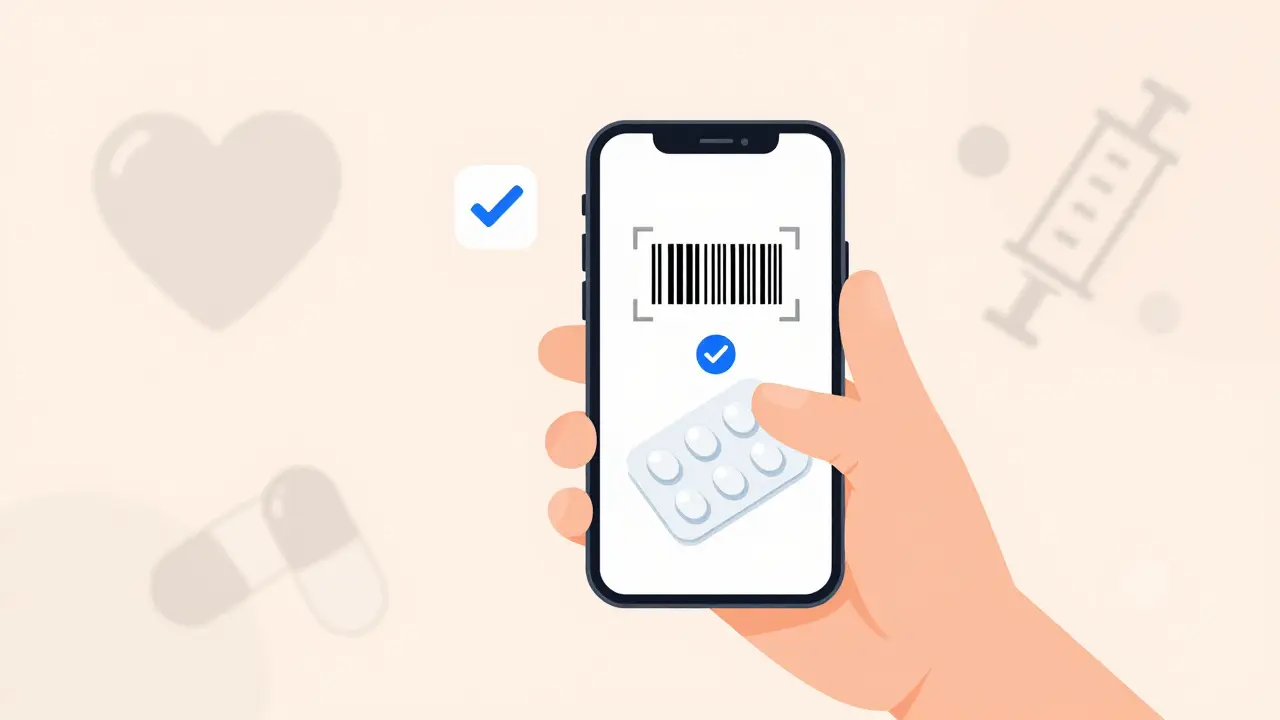
The FDA is upgrading the system. In January 2025, they launched the Next Generation Safety Reporting System (NGSRS). It includes:- Automated lot number scanning - you can now snap a photo of the barcode and the system auto-fills the info.
- AI-powered symptom coding - it translates your words into medical terms so analysts understand faster.
- Plans for multilingual forms - Spanish is already available. Mandarin, Tagalog, Vietnamese, and Arabic are coming by 2027.
- A single portal for all products - right now, you need different forms for drugs, devices, and supplements. By 2028, there will be one unified system.
These changes are meant to fix the biggest complaints: confusion, delays, and tech glitches.
Final Thought: Your Voice Has Power
You’re not just a patient. You’re a watchdog. The FDA doesn’t have eyes everywhere. But you do. You know what your body feels like. You know when something’s off.That’s why patient reporting isn’t just a form - it’s a lifeline. Every report you file adds to a growing picture of real-world safety. It helps doctors make better choices. It helps regulators act faster. It helps other patients avoid harm.
If you’ve had a bad experience - even if you think it’s too small - file the report. Don’t wait. Don’t assume someone else will do it. Your report might be the one that saves someone’s life next year.
Can I report a reaction if I’m not the patient?
Yes. Caregivers, family members, or friends can file a report on behalf of someone else. You’ll need to provide your contact info as the reporter, and indicate that you’re reporting for another person. You don’t need legal permission to do this.
Do I need to tell my doctor before reporting?
No. You don’t need to inform your doctor before filing a report with the FDA. However, sharing the information with them can help them better understand your reaction and adjust your care. The FDA encourages patients to talk to their providers - but doesn’t require it.
Is there a deadline to file a report?
No deadline exists for patients. You can report a reaction months or even years after it happened. The FDA accepts reports anytime. However, the sooner you report, the more useful the data is - especially if others are experiencing the same issue.
What if I don’t know the product’s lot number?
You can still report it. Lot numbers are on the packaging or sometimes on pharmacy receipts. If you don’t have them, just write “unknown” or “not available.” The FDA still uses these reports. About 40% of patient reports lack lot numbers - they’re still valuable.
Will I be contacted after I file?
Only if the FDA needs more information. Most reports are reviewed and filed without follow-up. You won’t get updates on whether your report led to an action. But your report is added to the national database and used in safety reviews.
Can I report a problem with a dietary supplement or cosmetic?
Yes. The FDA accepts reports on dietary supplements, cosmetics, infant formula, and medical devices - not just prescription drugs. If a supplement made you sick, a lotion caused a rash, or a baby formula caused vomiting, report it. These products are monitored under the same system.



Betty Bomber
January 26, 2026 AT 01:19I filed a report last year after my insulin pump started glitching during a hike. Took me three tries on the portal before it finally accepted. Didn't get a reply. Didn't expect one. But I know it's in there. Maybe it'll help someone else not get stranded in the woods with a broken device.
Small thing. Big deal when it's your life.
Mohammed Rizvi
January 26, 2026 AT 07:44Let me get this straight - the FDA has a system that literally lets you report a broken pill bottle and it might save lives, but the website crashes more than my ex’s commitment? And we’re supposed to be grateful? I’m not mad. I’m just disappointed. This is the same agency that lets vape companies market to teens but can’t keep a web form alive for 20 minutes. The system works - if you’re willing to mail paper forms in 2025. Send me a stamp. I’ll drop one in the box for you.
eric fert
January 27, 2026 AT 22:03Look. I’ve read this whole thing. And I’m not saying it’s wrong. But let’s be real - this whole ‘your voice matters’ narrative is just corporate PR dressed up as activism. The FDA gets 1.2 million reports a year. One more from you? It’s a drop in a toxic swamp. AI filters out 78% of them as ‘low priority’ before a human even glances. And the ones that do get reviewed? They’re buried in FAERS for years. You think your rash report changes anything? Nah. It just fills a database that no one reads unless a class-action lawsuit drops. This isn’t empowerment. It’s emotional labor disguised as civic duty. You’re not a watchdog. You’re a free data point for a bureaucracy that doesn’t give a damn.
But hey - go ahead. Submit. I’ll be here, sipping my coffee, watching the system eat your effort whole.
Shawn Raja
January 28, 2026 AT 01:33Y’all ever think about how wild it is that the most powerful health watchdog in the world relies on strangers typing ‘I felt weird after taking this pill’ into a form that looks like it was coded in 2003?
We have self-driving cars, AI that writes sonnets, and apps that track your poop - but if you get a side effect from a drug, you’re stuck choosing between a glitchy portal, a 3500-page form, or yelling into a phone line while some guy in Maryland takes notes on a clipboard.
And yet - this is the system that caught the insulin pen leak that saved millions. That’s the miracle. Not the interface. Not the bureaucracy. YOU. The person who took 15 minutes out of their day to type out what happened. That’s the real innovation here. Not the tech. The humanity.
So yeah - submit the report. Even if it feels pointless. Even if the portal crashes. Even if no one ever thanks you. You’re the reason this system still works at all.
Dan Nichols
January 29, 2026 AT 23:23Lot numbers are not optional if you want your report to be actionable. The FDA requires them for traceability. If you don't have them you're just adding noise. The system isn't broken it's just being abused by people who don't understand data integrity. Why are you reporting if you don't have the product info? That's not bravery that's laziness. And don't get me started on the myth that ‘every report matters’ - most don't. Only 12% of patient reports lead to any kind of follow-up. The rest are digital litter.
Do it right or don't do it at all
Karen Droege
January 30, 2026 AT 08:32I reported my daughter’s reaction to a new asthma inhaler after she turned blue during a school play. I didn’t know where to start. I called 1-800-FDA-1088. The woman on the line didn’t rush me. She asked me how she was feeling, what color her lips were, if she’d been on anything else. Took 40 minutes. She cried with me. Then she filed it. I didn’t think it would matter. But two months later, the FDA issued a safety notice - same model, 17 other kids had the same reaction. They changed the design. My daughter’s name wasn’t on it. But I know she helped make it safer for others. That’s why we do this. Not for the system. For the kids who come after us.
You’re not alone. And your story isn’t too small. I promise.
Shweta Deshpande
February 1, 2026 AT 04:42I’m from India and I’ve been following this since my cousin had a bad reaction to a supplement bought online. I didn’t know the FDA even accepted reports from outside the US - but they do! I helped her fill out the form using the Spanish version because she’s more comfortable in Spanish. The portal crashed three times. We ended up mailing the paper form. Took 3 weeks to get a confirmation. But it’s done. And now she’s okay. And I’m proud. This system isn’t perfect, but it’s one of the few places where a regular person can actually make a difference. So if you’ve had a bad experience - don’t wait. Don’t overthink. Just hit submit. Someone out there needs your report more than you know.
Jessica Knuteson
February 1, 2026 AT 07:53Reported a rash from a new moisturizer. Got no reply. No recall. No alert. Just a confirmation email that said ‘thank you for your input.’
That’s it. That’s the whole story. The system is a black box. You throw your pain in. It disappears. You don’t get closure. You don’t get answers. You just get silence.
And they call it empowerment
rasna saha
February 1, 2026 AT 15:46I reported my mom’s reaction to her blood pressure med after she collapsed at the grocery store. I was terrified. I didn’t know what to say. But I typed it out - exactly what happened, the time, the dose, the fact she’d been on it for 4 years and never had an issue before. I didn’t think it mattered. But two weeks later, her pharmacist called. Said the FDA had flagged it. They were checking other users. Turns out 11 others had the same rare reaction. The label got updated. My mom’s fine now. I’m not a hero. I just didn’t stay silent. You don’t need to be brave. Just honest. And don’t wait.
Skye Kooyman
February 2, 2026 AT 09:29So the portal crashes - what’s the backup again? Mail? Phone? And if I don’t have a printer? Do I just give up?
Also - can I report a supplement that made me feel like I was being haunted? Not medically. Just… weird. Like my brain was rewired for a week. No hospital. No ER. Just… off.
Is that too vague?
Ashley Porter
February 2, 2026 AT 19:55Per FDA Adverse Event Reporting System (FAERS) guidelines, patient-submitted reports are categorized under ‘spontaneous reports’ and are subject to underreporting bias due to non-systematic data capture. While the Next Generation Safety Reporting System (NGSRS) aims to improve signal detection via natural language processing of symptom descriptors, the current sensitivity of automated triage algorithms remains suboptimal for non-clinical narratives. Lot number omission remains a critical limitation in pharmacovigilance signal strength - particularly for off-label use cases. Recommend cross-referencing with MedWatch’s updated 2025 symptom ontology taxonomy prior to submission to enhance codification accuracy.
TL;DR - if you don’t know the lot number, you’re wasting your time. But still - do it anyway. Because someone’s kid might need it.