
A Lifeline When Seconds Count
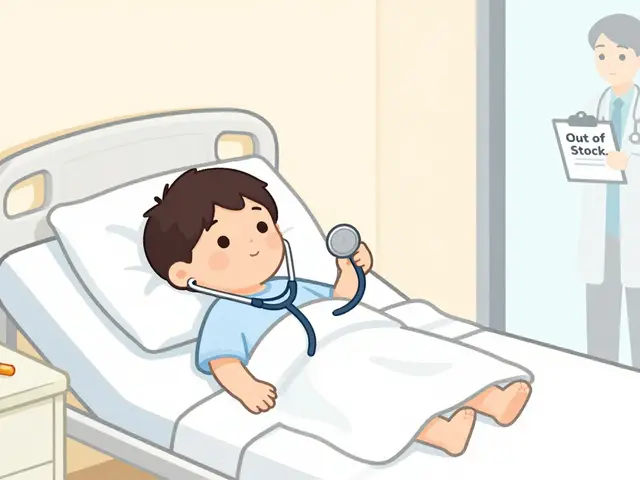
A multilingual medication list isn't just a piece of paper-it's a lifeline when seconds count. Imagine being in an emergency room halfway across the world, unable to explain what medications you're taking. This isn't hypothetical. According to the Agency for Healthcare Research and Quality, 62% of medication errors involving Limited English Proficiency (LEP) patients happen during emergency department visits due to communication breakdowns. When Maria had an allergic reaction in Chicago, the ER staff used the Spanish version of her Tennessee UML to identify her penicillin allergy immediately, preventing a fatal mistake. Her primary care doctor in Nashville gave her the list during her last checkup. This happens every day to travelers and immigrants worldwide.
Why This Matters More Than You Think
Language barriers don't just cause frustration-they cause life-threatening mistakes. Research by Dr. Glenn Flores at UT Southwestern Medical Center shows language barriers increase adverse drug events by 35% and medication errors by 50% among LEP patients. The American Pharmacists Association's 2022 position paper states multilingual medication lists reduce emergency department visit duration by 22 minutes on average for LEP patients. That's time saved for critical treatment. Dr. Michael Wolf's 2020 study in JAMA Internal Medicine found patients using these lists experienced 28% fewer medication discrepancies during hospital admissions. Every minute counts in emergencies, and clear communication can be the difference between life and death.
Step 1: List Every Medication You Take
Start with a complete inventory. Include prescription drugs, over-the-counter medicines, vitamins, herbal supplements, and even topical creams. For each item, write:
- Name: Use the generic name (e.g., "metformin" instead of "Glucophage").
- Dosage: Exact numbers (e.g., "500 mg tablet") not "one pill".
- Frequency: "Twice daily" or "every 8 hours"-not "as needed".
- Purpose: "For high blood pressure" or "for diabetes management".
- Prescribing physician: Full name and clinic contact.
This is the foundation. A 2022 Tennessee Pharmacists Association analysis found 78% of medication errors occur during care transitions, like moving from hospital to home. Missing details here create gaps that lead to mistakes.
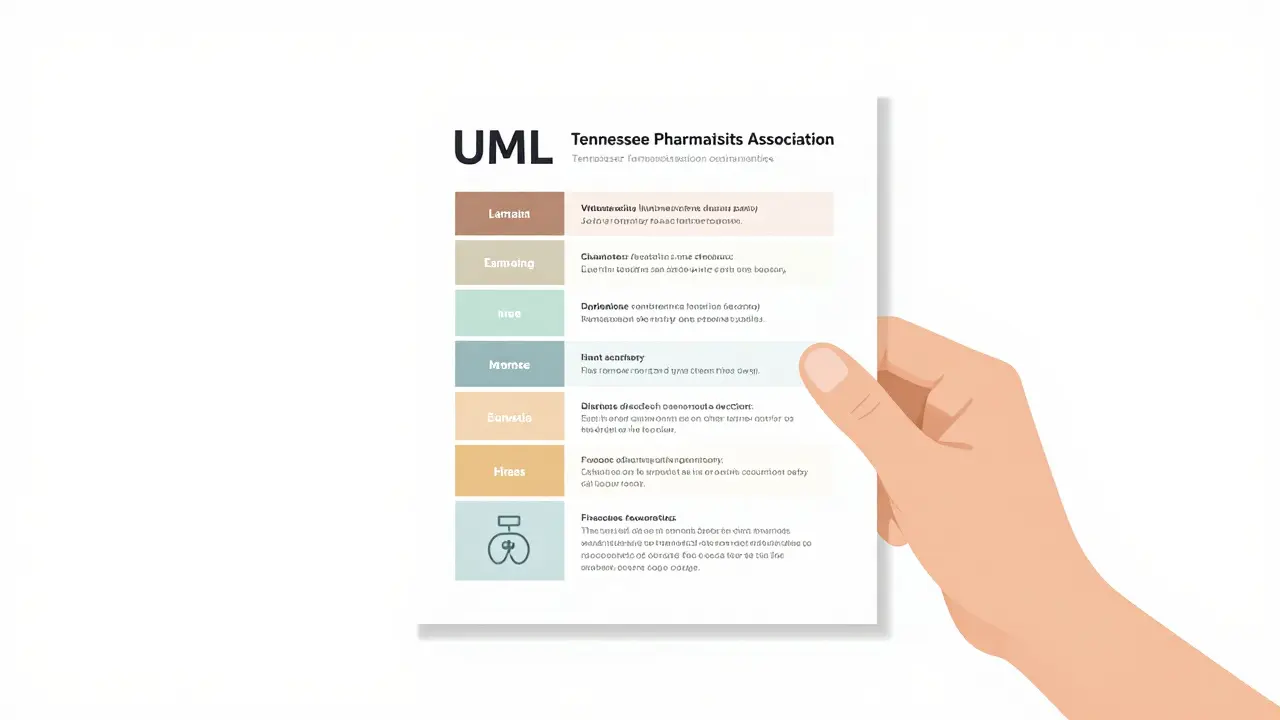
Step 2: Choose a Reliable Template
You don't have to create this from scratch. Trusted resources offer ready-to-use formats:
Tennessee Pharmacists Association UMLa standardized template developed in 2007 with fields for medication name, dosage, frequency, purpose, doctor, and start date is available as a free printable PDF in 10 languages: English, Spanish, Chinese, Vietnamese, Korean, Arabic, Russian, Somali, Nepali, and French. It's designed for US healthcare settings and fits easily in a wallet.
NPS MedicineWise appa digital tool for medication tracking with dose reminders and cloud backup offers 11 languages including Arabic, Hindi, and Tamil. Download it from Google Play or Apple's App Store. It's ideal for daily management-set reminders for doses and sync data across devices. Over 350,000 users activate it monthly, with a 4.3/5 rating on Google Play.
MedlinePlusU.S. National Library of Medicine's health information portal provides drug safety materials in 40+ languages. Visit their website for printable medication lists in Arabic, Russian, Vietnamese, and more. It's perfect for general health information but lacks tracking features.
Step 3: Translate Accurately-Don't Guess
Translation isn't just about words-it's about accuracy. A 2023 AMA report found 32% of translated medication instructions contained incorrect medical terms. Never use Google Translate for medical details. Instead:
- Use resources like the British Red Cross Emergency Multilingual Phrasebook for healthcare worker phrases (36 languages).
- Ask your pharmacist to review translations-they know common pitfalls.
- For dialects like Cantonese vs. Mandarin, add handwritten notes in your native language alongside the standard translation.
MedlinePlus and NPS MedicineWise have been vetted by medical professionals. Their translations include culturally appropriate context, not just word-for-word conversions. For example, "diabetes" in Vietnamese might include references to traditional herbs like bitter melon, which Western doctors might not recognize.
Step 4: Keep It Updated and Accessible
Update your list after every doctor's visit or medication change. A 2022 study showed patients who updated their list monthly had 47% fewer errors. Carry it physically and digitally:
- Physical copy: Print it on waterproof paper. Store it in a clear plastic sleeve in your wallet.
- Digital backup: Save a PDF on your phone or cloud storage. Use the NPS MedicineWise app for automatic updates.
When traveling, keep it in your carry-on luggage-not checked baggage. The U.S. Department of Health and Human Services recommends the "teach-back" method: have someone explain your medications back to you in their own words. This increases proper usage by 47% and catches misunderstandings before they cause harm.
Comparison of Multilingual Medication Resources
| Resource | Languages Covered | Format | Key Features | Best For |
|---|---|---|---|---|
| Tennessee Pharmacists Association UML | English, Spanish, Chinese, Vietnamese, Korean, Arabic, Russian, Somali, Nepali, French | Printable PDF | Standardized fields for medication name, dosage, frequency, purpose, doctor, start date | US healthcare settings |
| NPS MedicineWise app | English, Arabic, Chinese (Simplified and Traditional), Hindi, Korean, Persian, Punjabi, Spanish, Tamil, Vietnamese | Digital app (iOS/Android) | Dose reminders, medication tracking, cloud backup, offline access | Daily medication management with reminders |
| MedlinePlus | Over 40 languages including Arabic, Russian, Somali, Vietnamese, and more | Online resources | Drug safety information, general health guides | General health information |
| British Red Cross Emergency Multilingual Phrasebook | 36 languages including Albanian, Bengali, Bulgarian, Dari, Farsi, Gujarati, Kurdish, Lithuanian, Polish, Portuguese, Romanian, Swahili, Tagalog, Urdu | Printed booklet | Standard medical phrases for healthcare workers, not personal medication lists | Emergency staff communication with patients |
Tips for Real-World Use
These practical strategies make your list work when it matters:
- For travelers: Add a note like "I am traveling from [Country]" in your native language. This helps doctors understand if your medications follow local naming conventions.
- For seniors: Use large print and include a photo of yourself. A 2023 study found 85% of patients over 65 needed help setting up digital apps-physical copies are safer.
- For chronic conditions: Include emergency contacts who know your medical history. The Tennessee Pharmacists Association found this reduces confusion during crises by 40%.
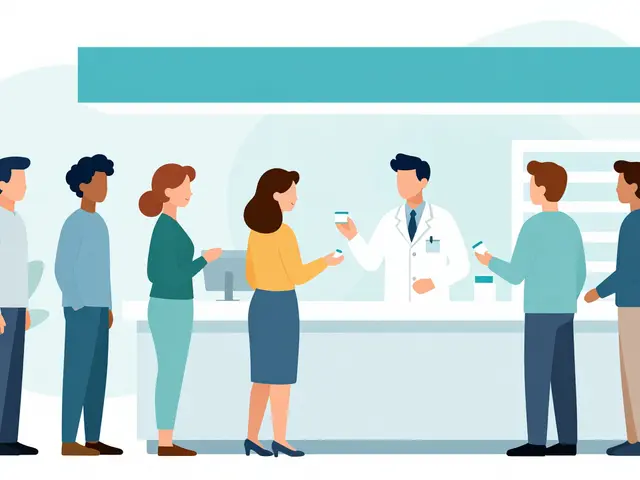
Pharmacists should proactively offer multilingual lists to LEP patients, but a 2021 study found only 32% do. If your pharmacist doesn't offer it, ask specifically for the UML or NPS MedicineWise template. They're legally required to provide language assistance under the Affordable Care Act.
Frequently Asked Questions
What if my language isn't covered by these resources?
MedlinePlus covers over 40 languages, and the British Red Cross Phrasebook includes 36 languages. If your specific dialect isn't available-like Cantonese vs. Mandarin-write the medication names in your native language alongside the translation. For example, a Cantonese speaker might add handwritten notes for terms not in Mandarin translations. Community health centers often have translators who can help customize lists for rare languages.
Can I use a translation app instead?
While translation apps are helpful for casual conversations, they often lack medical accuracy. A 2023 AMA report found 32% of translated medication instructions contained incorrect terms. Always use dedicated resources like NPS MedicineWise or MedlinePlus. These have been vetted by pharmacists and doctors for clinical accuracy. For emergencies, a physical list from trusted sources is safer than an app.
How often should I update my medication list?
Update it after every doctor's visit or whenever your medications change. The Tennessee Pharmacists Association found 78% of medication errors happen during care transitions, like moving from hospital to home. Keeping it current is critical-review it monthly and carry the latest version everywhere. Digital apps like NPS MedicineWise automatically update when you add new medications.
Do I need this if I'm not traveling?
Absolutely. 7.6% of the U.S. population has Limited English Proficiency, and emergencies can happen anywhere. A 2022 study showed patients with multilingual lists had 28% fewer medication discrepancies during hospital admissions-even in their home country. If you take medications regularly, this list is essential for any healthcare setting, not just travel.
Where can I get a physical copy for free?
The Tennessee Pharmacists Association offers free printable UML templates in 10 languages at tnpharmacist.org. NPS MedicineWise provides downloadable PDFs in 11 languages at nps.org.au. MedlinePlus has free resources in 40+ languages at medlineplus.gov. Your local pharmacy may also have copies-ask if they support multilingual medication lists.

Rene Krikhaar
February 6, 2026 AT 08:37This is really important Ive seen how communication gaps can lead to serious mistakes having a clear list in multiple languages saves lives make sure to update it regularly and carry it everywhere its simple but crucial
Joyce cuypers
February 6, 2026 AT 09:31This is such a great guide! I love how it breaks it down step by step. Just a typo in the table maybe 'NPS MedicineWise' speld right? But overall super helpful!
Carl Crista
February 6, 2026 AT 19:49The government's been pushing this multilingual list for years its all part of the surveillance agenda dont fall for it they want to track your meds to control you
Diana Phe
February 8, 2026 AT 12:17This is government surveillance.
Lisa Scott
February 8, 2026 AT 15:48This whole thing is a scam. The data is cherry-picked. 62% of errors due to LEP? Where's the real data? This is just fearmongering to push more government control. Useless.
Pamela Power
February 9, 2026 AT 21:26This guide is laughably inadequate. Real healthcare professionals know that multilingual lists are just a band-aid solution. The real issue is systemic incompetence in healthcare. This is amateurish nonsense.
Cullen Bausman
February 10, 2026 AT 18:52The requirement for multilingual medication lists is unnecessary burden on healthcare providers English should suffice for all patients this is waste of resources and time
Arjun Paul
February 11, 2026 AT 14:57This guide is way too basic. Real medication management needs expert knowledge. This is amateurish advice. Anyone can't just create a list without proper training.
Jenna Elliott
February 11, 2026 AT 16:00This is why we need English-only policies. Why should we have to accommodate other languages? It's not our problem. We have enough issues here. Stop making things complicated.
Bella Cullen
February 13, 2026 AT 01:51Just stick to English.
one hamzah
February 13, 2026 AT 23:28This is awesome! Multilingual lists really help bridge gaps. In India, we have so many languages and this makes it easier. Love the resources mentioned 🌍✨
anjar maike
February 14, 2026 AT 07:01NPS MedicineWise app is really helpful but some translations like Hindi medical terms can be tricky 🤔