Fentanyl Patch Heat Exposure Risk Calculator
Risk Assessment Factors
Select your current conditions and click calculate to assess your immediate risk level regarding fentanyl absorption.
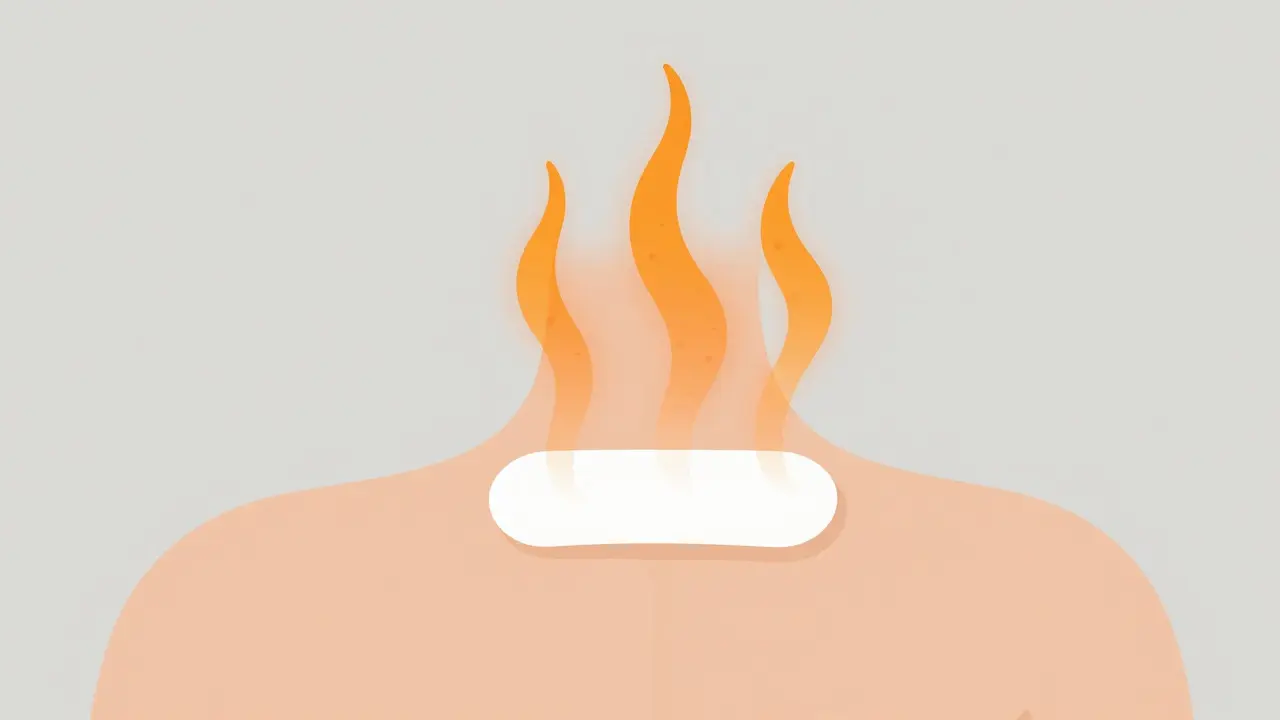
Imagine turning up the dial on a medication you’ve been taking safely for months. That is exactly what happens when you apply external heat to a fentanyl patch is a transdermal delivery system used for continuous opioid administration in chronic pain management. It’s not just a slight increase; it can be a dangerous surge. For patients managing severe chronic pain, these patches are a lifeline. But they come with a strict warning label that many overlook until it’s too late: keep them away from heat.
The danger isn’t theoretical. It’s backed by pharmacokinetic data showing that heat disrupts the carefully engineered release mechanism of the patch. This leads to rapid systemic absorption, potentially causing respiratory depression or even fatal overdose. If you or a loved one uses this medication, understanding how body temperature and environmental heat interact with the drug is critical for survival.
How Transdermal Fentanyl Works
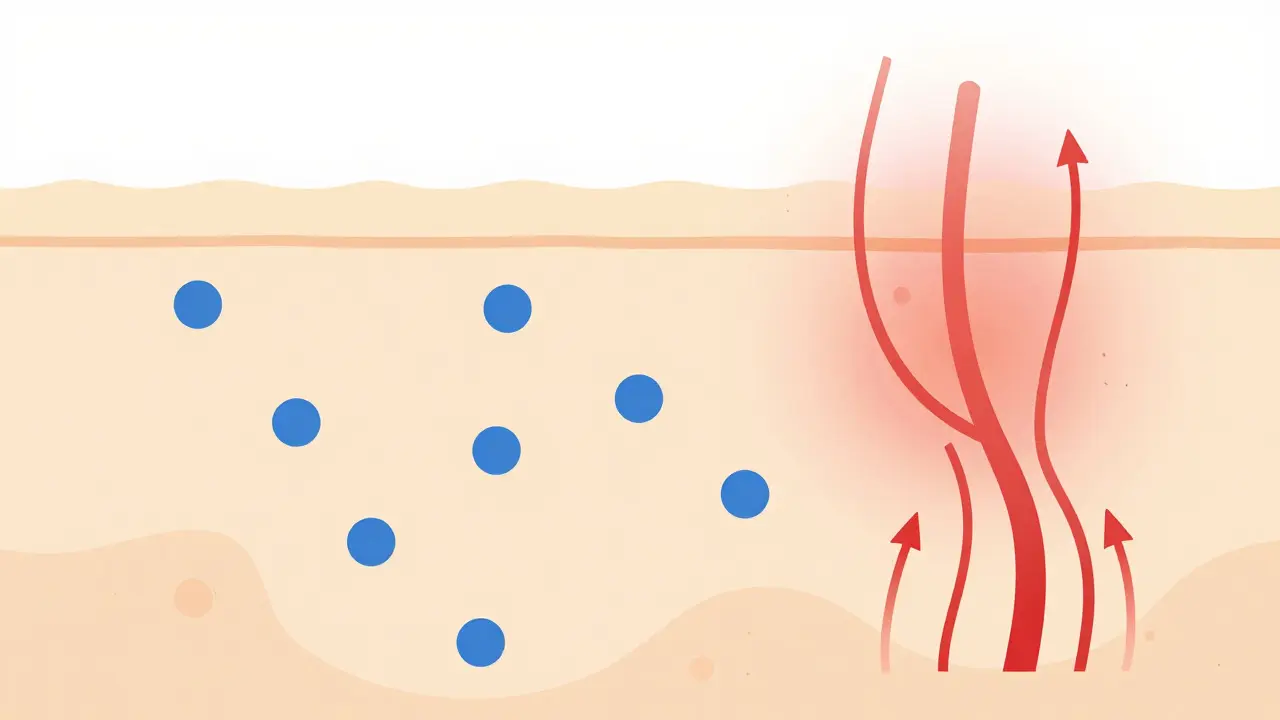
To understand the risk, you first need to understand the mechanics. Unlike pills that hit your stomach and then your bloodstream, a fentanyl patch works through your skin. The patch contains a reservoir of fentanyl that slowly diffuses through the epidermis and into the capillaries of the dermis. This process is designed to be slow and steady, providing consistent pain relief over 72 hours.
Once applied, the drug forms a small depot in the upper layers of your skin. Serum concentrations don’t spike immediately. Instead, they gradually rise, reaching peak levels (Cmax) between 24 and 72 hours after application. This gradual uptake is why doctors require patients to have established opioid tolerance is a physiological state where higher doses of opioids are required to achieve the same analgesic effect due to prior exposure. before starting patch therapy. An opioid-naïve patient-one who hasn’t taken opioids regularly-could suffer a lethal overdose from the standard initial dose because their body isn’t prepared for that level of systemic exposure.
The release rate is limited by skin permeability. Under normal conditions, your skin acts as a barrier that controls how much drug enters your system. But that barrier is sensitive to temperature changes. When the skin warms up, blood vessels dilate (vasodilation), increasing local microcirculation. More blood flow means faster transport of the drug from the skin into the central circulation.
The Science Behind Heat-Induced Overdose
You might think a warm bath or a heating pad is harmless comfort. With a fentanyl patch, it’s a variable that changes the equation. Research published in Pain Medicine (2000) demonstrated this clearly. In a study involving healthy volunteers, researchers applied a Controlled Heat Aided Drug Delivery (CHADD™) patch over a standard 25 μg/h fentanyl patch. The CHADD device raised the skin temperature to approximately 41°C (105.8°F).
The results were stark. During the first four hours of heat application, maximum serum concentrations of fentanyl increased nearly three-fold compared to non-heated conditions. That’s a 300% potential increase in drug availability in the blood. Pharmacokinetic modeling referenced in FDA labeling suggests that even an internal body temperature increase to 40°C (104°F)-such as from a high fever-could elevate serum fentanyl concentrations by 33%. While no published reports document clinical overdoses caused by fever alone, the margin for error shrinks significantly when combined with other factors.
| Heat Source | Mechanism of Action | Risk Level |
|---|---|---|
| Heating Pad / Electric Blanket | Direct localized heat increases skin temperature and vasodilation | Critical |
| Sauna / Hot Tub | Whole-body heat stress increases peripheral blood flow | High |
| Sunbathing / Sunlamp | UV radiation and thermal energy raise skin temperature at patch site | High |
| Fever (>40°C / 104°F) | Systemic hyperthermia increases metabolic rate and circulation | Moderate to High |
| Strenuous Exertion | Increased body core temperature and blood flow to skin | Moderate |
Common Heat Sources Patients Must Avoid
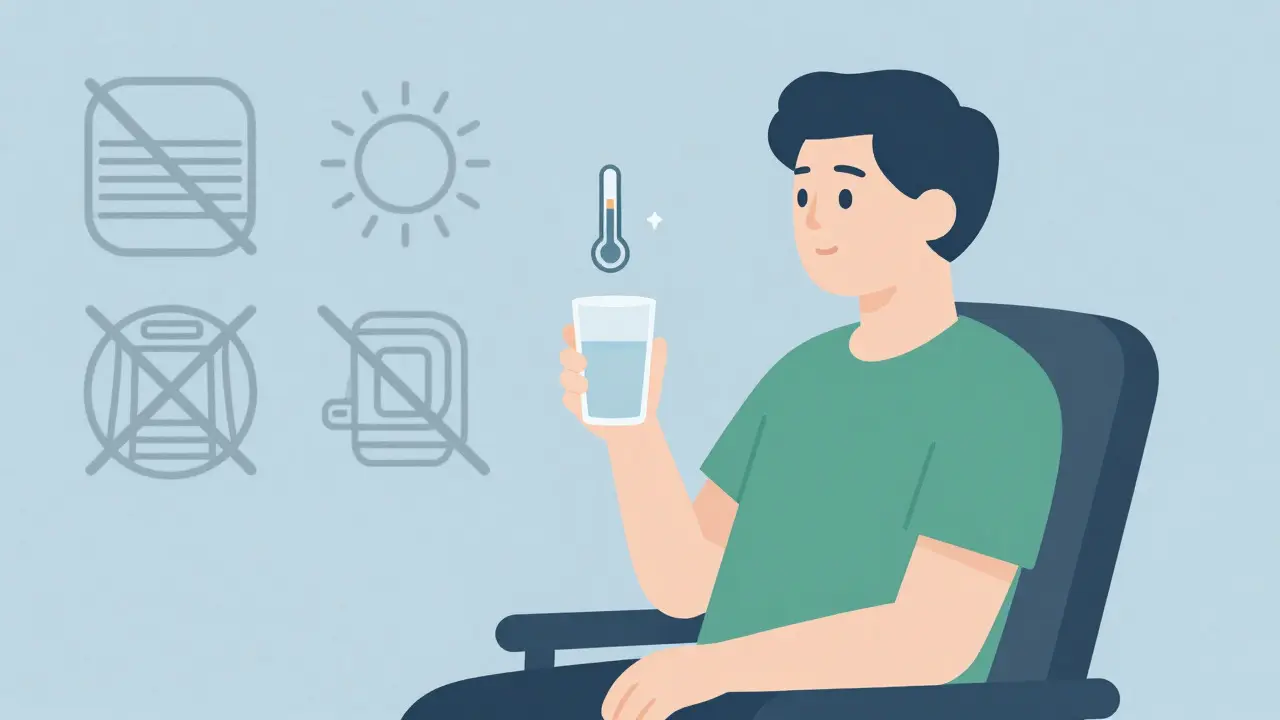
The Mayo Clinic and other authoritative medical bodies provide explicit lists of what to avoid. These aren’t suggestions; they are safety mandates. Here is what you need to stay away from while wearing a patch:
- Heating pads: Never place a heating pad directly over or near the patch site. Even indirect heat can transfer enough energy to accelerate absorption.
- Electric blankets: These create a sustained warm environment that raises skin temperature over large areas, including the patch site.
- Saunas and steam rooms: The combination of high ambient temperature and humidity promotes vasodilation and sweating, which can compromise the patch adhesion and increase drug uptake.
- Sunlamps and tanning beds: Direct UV exposure heats the skin intensely. If the patch is on exposed skin, the risk is immediate.
- Hot baths and showers: Long soaks in hot water raise core body temperature and skin permeability. Keep showers lukewarm and brief.
- Heated water beds: Similar to electric blankets, these maintain constant warmth against the skin.
It’s also important to note that residual fentanyl continues to be absorbed for hours after you remove the patch. If you take off the patch and then sit in a hot tub, you’re still at risk because the drug depot in your skin is still active.
Physiological Risks: Fever and Exertion
External heat sources are easy to control, but internal ones are trickier. What happens if you get sick? Or if you go for a vigorous workout?
A high fever is a significant concern. As mentioned, a body temperature of 40°C can boost serum fentanyl levels by 33%. If you develop a fever, contact your doctor immediately. They may advise removing the patch temporarily or adjusting other medications. Don’t wait for symptoms to appear.
Strenuous physical exertion also raises core body temperature and increases blood flow to the skin. While moderate activity is generally fine, intense exercise that causes heavy sweating and overheating should be approached with caution. Monitor yourself for signs of sedation or dizziness during and after workouts.
Drug Interactions That Compound the Risk
Heat isn’t the only factor that spikes fentanyl levels. Certain medications inhibit the cytochrome P450 3A4 enzyme in the liver, which is responsible for breaking down fentanyl. If you take drugs like ketoconazole, erythromycin, or certain antifungals, your body clears fentanyl more slowly. Combine this with heat exposure, and you face a double threat: increased absorption and decreased clearance. This synergy can precipitate a serious overdose even at standard doses.
Always review your medication list with your pharmacist. Ask specifically about CYP3A4 inhibitors. If you’re on multiple medications, the risk profile changes dramatically.
Recognizing Signs of Overdose
Knowing what to look for can save a life. Opioid overdose symptoms progress quickly. Watch for:
- Respiratory depression: Slow, shallow, or irregular breathing. This is the most dangerous sign.
- Extreme drowsiness: Difficulty staying awake or responding to stimuli.
- Pinpoint pupils: Constricted pupils that don’t react to light.
- Confusion or agitation: Sudden changes in mental status.
- Cold, clammy skin: Especially on the forehead, palms, and soles.
If you suspect an overdose, call emergency services immediately. Naloxone (Narcan) is the antidote for opioid overdose and can reverse respiratory depression rapidly. Many patients using fentanyl patches are prescribed naloxone nasal spray to keep on hand.
Safety Protocols for Healthcare Providers
For clinicians, especially those in dental or surgical settings, patients with fentanyl patches present unique challenges. The Anesthesia Progress editorial (2014) highlights that these patients are high-risk candidates for procedural sedation. Because they already have a baseline level of opioid in their system, adding sedatives can lead to unexpectedly deep sedation or respiratory arrest.
Providers must always check for patches before administering any sedative. If a patient has a patch, the clinician needs to decide whether to remove it before the procedure. Note that removal doesn’t stop absorption immediately. The residual drug in the skin continues to enter the bloodstream for several hours. Timing is crucial.
Furthermore, fentanyl patches are contraindicated for acute postoperative pain in opioid-naïve patients. Using them for short-term pain relief in someone without tolerance is a common prescribing error that has led to fatalities. Ensure the patient meets the criteria for chronic pain management and established tolerance before initiating therapy.
Practical Tips for Daily Management
Living with a fentanyl patch requires mindfulness. Here are some practical steps to integrate into your routine:
- Check the weather: If it’s extremely hot outside, limit sun exposure. Wear loose, breathable clothing to prevent overheating.
- Monitor your home environment: Keep heating pads stored away from the bed. Use fans instead of space heaters if possible.
- Hydrate: Proper hydration helps regulate body temperature. Dehydration can make you more susceptible to heat stress.
- Keep a log: Track when you apply and remove patches. Note any instances of fever or unusual heat exposure. This information is vital if you experience side effects.
- Educate caregivers: Family members and friends need to know the risks. They should never apply heat to the patch site, even with good intentions.
Conclusion
Fentanyl patches offer profound relief for chronic pain, but they demand respect. The interaction between heat and transdermal drug delivery is a well-documented pharmacological reality. By avoiding external heat sources, monitoring internal temperature changes, and understanding drug interactions, you can use this medication safely. Stay informed, stay cautious, and always prioritize communication with your healthcare provider.
Can I shower while wearing a fentanyl patch?
Yes, but keep the water lukewarm and the shower short. Avoid hot baths or long, steaming showers, as the heat and humidity can increase fentanyl absorption. Pat the area dry gently afterward to ensure the patch remains adhered.
What should I do if I accidentally expose my patch to heat?
If you suspect significant heat exposure (e.g., used a heating pad or sat in a sauna), monitor yourself closely for signs of overdose such as extreme drowsiness, confusion, or slow breathing. Contact your doctor or seek emergency care if symptoms appear. Do not wait for symptoms to worsen.
Does fever affect fentanyl patch absorption?
Yes. A high fever (above 40°C or 104°F) can increase serum fentanyl concentrations by up to 33%. If you develop a fever, contact your healthcare provider immediately. They may recommend removing the patch temporarily until your temperature returns to normal.
Can I exercise while using a fentanyl patch?
Moderate exercise is generally safe. However, strenuous activity that causes heavy sweating and significant increases in core body temperature should be approached with caution. Increased blood flow to the skin can accelerate drug absorption. Listen to your body and stop if you feel unusually dizzy or sedated.
How long does fentanyl continue to absorb after removing the patch?
Fentanyl continues to be absorbed from the skin depot for several hours after the patch is removed. This is why you should avoid heat exposure even after taking the patch off. The drug levels in your blood will gradually decline, but the process is not instantaneous.