
Rare Side Effect Detection Calculator
How many children do you need to study before detecting a rare side effect? This tool demonstrates how pediatric safety networks find patterns that single hospitals would miss.
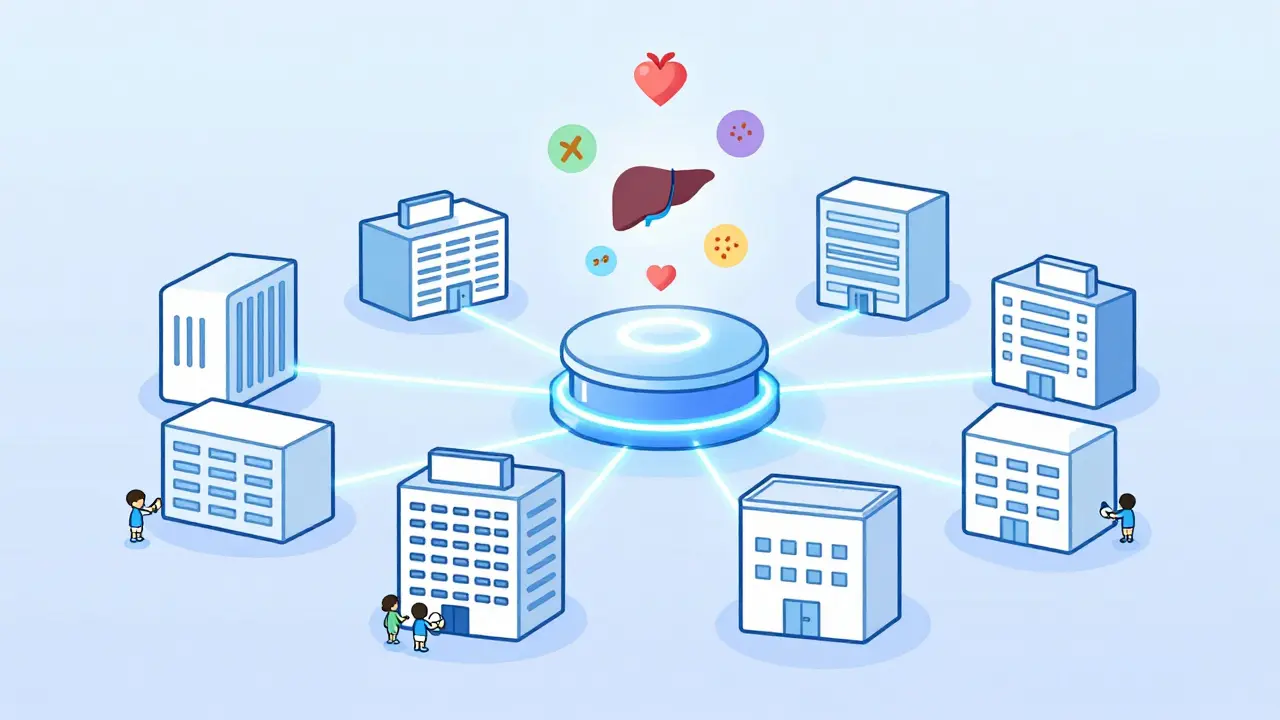
The article explains that a single hospital might see 200 children per year, while a pediatric safety network could have 12,000+ patients across seven sites. With 12,000 patients, networks can detect adverse reactions occurring in just 1-in-500 children — something impossible for a single hospital to see.
Detection Time Results
How fast can you spot rare side effects?Single Hospital
Years to detect at least one side effect: -
Total patients needed: -
Safety Network
Years to detect at least one side effect: -
Total patients needed: -
This demonstrates why pediatric safety networks are critical: they pool data to identify patterns that would take a single hospital years to detect.
As explained in the article, the CPCCRN tracked adverse reactions across 12,000+ children across seven sites, detecting issues that would have been invisible in individual hospitals.
When a child is given a new medication or undergoes a medical procedure, doctors don’t always know what might go wrong. Rare side effects, delayed reactions, or unexpected interactions often don’t show up in small clinical trials. That’s where pediatric safety networks come in - not as single hospitals or clinics, but as coordinated teams across dozens of institutions working together to catch what no one site could see alone.
Why Pediatric Safety Networks Exist
Children aren’t just small adults. Their bodies process drugs differently. Their organs are still developing. And many medicines used in kids were never tested on them in the first place. For decades, doctors guessed at doses and watched for side effects without solid data. That changed when federal agencies realized traditional clinical trials couldn’t capture rare or long-term harms in children. The answer wasn’t more studies - it was better collaboration. Networks like the Collaborative Pediatric Critical Care Research Network (CPCCRN) were built to connect hospitals, share data in real time, and watch for patterns no single center could detect. These aren’t theoretical projects. They’re active systems that have tracked everything from allergic reactions to organ toxicity in critically ill children across the U.S.How the CPCCRN Worked
Launched in 2014 by the Eunice Kennedy Shriver National Institute of Child Health and Human Development (NICHD), CPCCRN tied together seven major pediatric hospitals and one central data hub. Each hospital enrolled patients in shared protocols - meaning every child got the same treatment plan, and every side effect was recorded the same way. The Data Coordinating Center didn’t just collect numbers. It designed the tools. It calculated how many kids were needed to spot a rare reaction. It built forms that captured even minor symptoms like a slight drop in blood pressure or an unusual rash. And most importantly, it had a Data and Safety Monitoring Board - a group of independent experts who reviewed all adverse events weekly. If a pattern emerged, they could pause a trial, warn other sites, or adjust protocols within days. One site in Ohio noticed a spike in liver enzyme changes after a new antibiotic was used in septic infants. Because of the network’s centralized system, three other hospitals quickly checked their records. Within two weeks, they confirmed the trend. The drug’s label was updated, and dosing guidelines changed for all children in the network - before the FDA even issued a warning.Child Safety CoIIN: Beyond the Hospital
Not all pediatric safety concerns happen in intensive care units. Many come from the environment - falls, car seat misuse, unsafe sleep practices, or even violence prevention programs that unintentionally increase stigma. The Child Safety Collaborative Innovation and Improvement Network (CoIIN), run by the Children’s Safety Network with support from HRSA, took a different approach. Instead of hospitals, it worked with state health departments and community programs. Teams in 16 states used standardized worksheets to track outcomes of interventions like safe sleep campaigns or school-based violence prevention. One team in Michigan was running a “Green Dot” program to reduce dating violence. They assumed it was working - until they looked at the data. The number of reported incidents actually went up. Digging deeper, they realized teens were more likely to report abuse because the program made them feel safer talking about it. That wasn’t a failure - it was a win. The team adjusted their messaging to focus on support, not just prevention. Without the network’s data tools, they’d have misread the results entirely.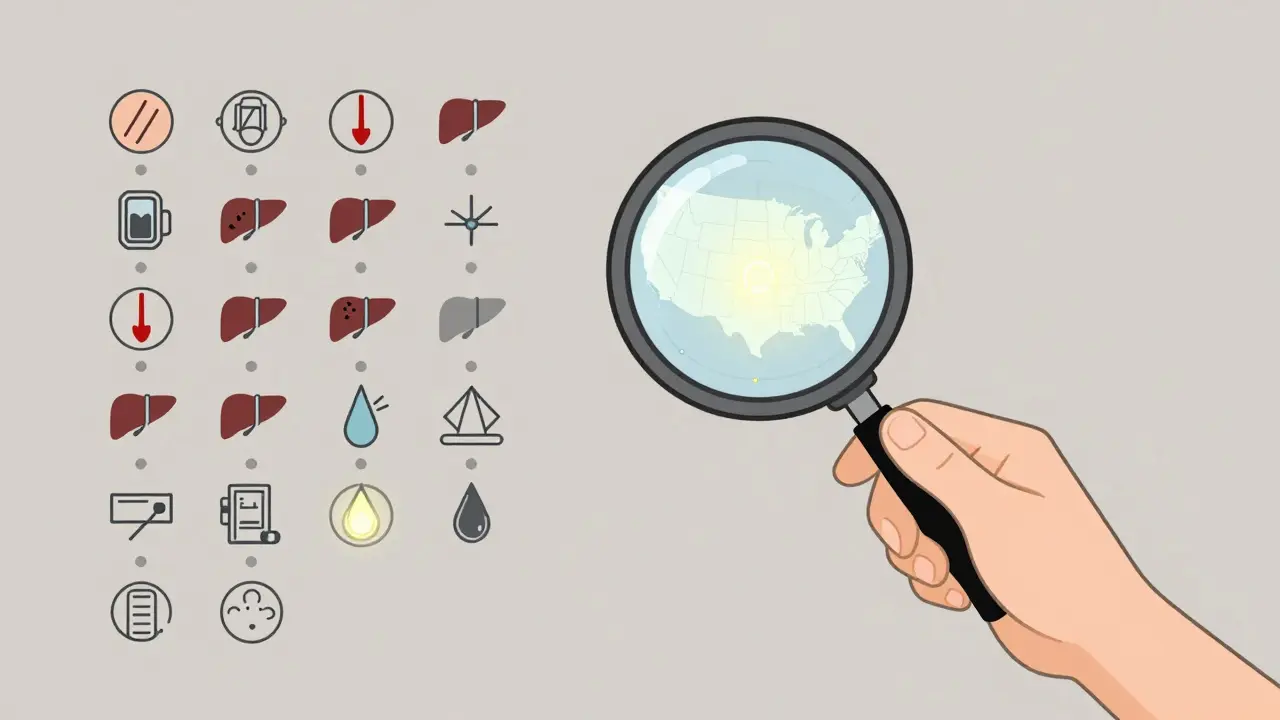
What Makes These Networks Different
Traditional clinical trials need thousands of patients and years to find rare side effects. Pediatric safety networks work faster and smarter:- Speed: A new safety signal can be detected in weeks, not years.
- Scale: Data from hundreds of thousands of children are pooled, making rare events visible.
- Adaptability: Protocols change in real time based on what the data shows.
- Real-world focus: They track outcomes in actual clinics, not controlled labs.
Challenges and Lessons Learned
These networks aren’t perfect. They require massive coordination. Hospitals had to retrain staff. Data entry had to be consistent. Some teams in CoIIN tried to tackle too many issues at once - sexual violence, car seat safety, drowning prevention - and burned out. In Cohort 2, most teams narrowed their focus to just one or two priorities. There was also tension. One hospital wanted to study a new ventilator protocol. Another wanted to test pain management. The Steering Committee had to vote on which protocols moved forward. It wasn’t always easy. But having NICHD as an impartial overseer kept things fair. The biggest hurdle? Funding. CPCCRN’s original grant expired in 2014. While its structure influenced later NIH initiatives like the Pediatric Trials Network, no direct replacement was funded. CoIIN completed two cohorts (2015-2019) and hasn’t received new funding since.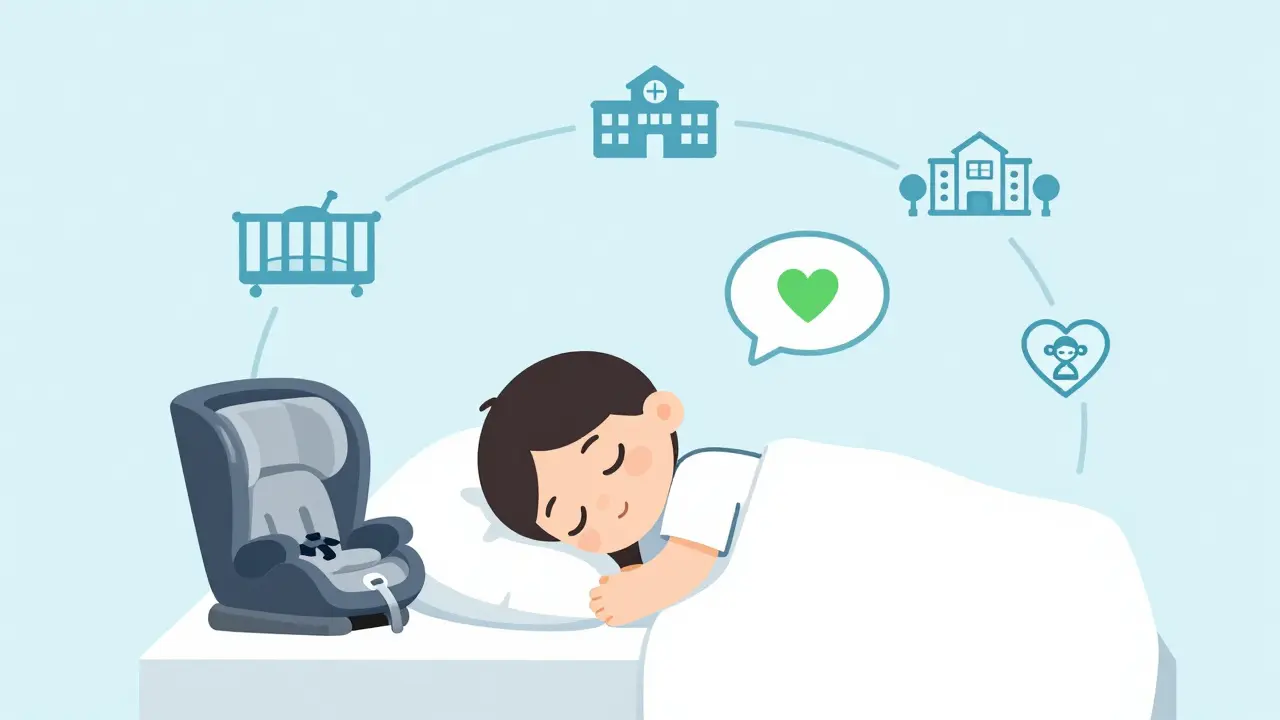
The Bigger Picture
These networks didn’t just track side effects - they changed how we think about pediatric research. Before, if a child had a bad reaction, it was seen as an isolated incident. Now, we know: if one child has it, others might too. And if we’re not looking together, we’re missing the signs. The 2002 Best Pharmaceuticals for Children Act and the 2003 Pediatric Research Equity Act pushed for more child-specific drug testing. But those laws only got us so far. Networks like CPCCRN and CoIIN filled the gap between policy and practice. Today, researchers are building on their work. New systems are trying to link hospital data with school health records and pharmacy databases to track side effects over years, not just weeks. The goal isn’t just to react - it’s to predict.What’s Next for Pediatric Safety
The next generation of safety networks will need three things:- Real-time data sharing: Secure, automated systems that flag anomalies as they happen.
- Long-term tracking: Linking pediatric data to adult health records to catch delayed effects - like how a childhood cancer treatment might affect heart health decades later.
- Community inclusion: Not just hospitals, but pediatricians, schools, and families reporting symptoms through apps or portals.


Gary Mitts
February 1, 2026 AT 17:10clarissa sulio
February 2, 2026 AT 06:54Brittany Marioni
February 2, 2026 AT 12:53Sandeep Kumar
February 4, 2026 AT 09:50Monica Slypig
February 6, 2026 AT 06:45Becky M.
February 6, 2026 AT 15:04jay patel
February 7, 2026 AT 08:56Eli Kiseop
February 8, 2026 AT 05:35