TNF Inhibitor Risk & Monitoring Tool
Drug Risk Comparison
Select the medication you are prescribed to see its relative risk profile for Tuberculosis reactivation.
Etanercept
Lower RiskClass 1 agent. Acts as a soluble receptor that binds only to free-floating TNF. It does not disrupt membrane-bound TNF significantly, preserving granuloma integrity better than monoclonal antibodies.
Symptom Self-Check
Are you experiencing any of these symptoms currently? Check all that apply. This is especially critical during the first 6 months of therapy.
Action Required
You have selected one or more symptoms associated with TB reactivation. Do not ignore these signs. Contact your rheumatologist or healthcare provider immediately to rule out infection. Do not assume this is just a flare-up of your autoimmune condition.
No Symptoms Selected
Continue to monitor yourself closely. Even with negative screening results prior to starting treatment, 18% of reactivation cases occur unexpectedly. Stay vigilant.
Starting a TNF inhibitor can feel like a miracle for autoimmune diseases. The pain stops, the swelling goes down, and life gets back to normal. But there is a hidden danger lurking in the background: tuberculosis (TB) reactivation. When you suppress your immune system to fight arthritis or psoriasis, you also disarm the body’s primary defense against latent TB bacteria. This isn’t just a theoretical risk; it is a documented medical reality that requires careful planning.
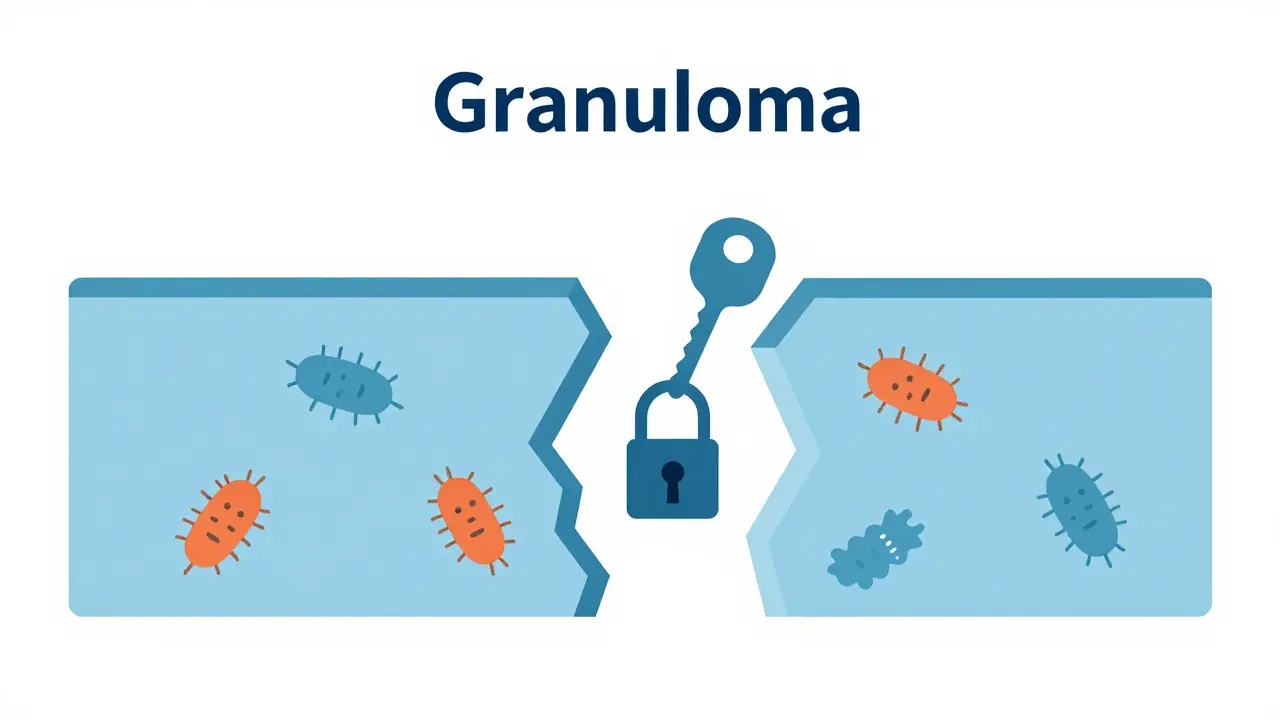
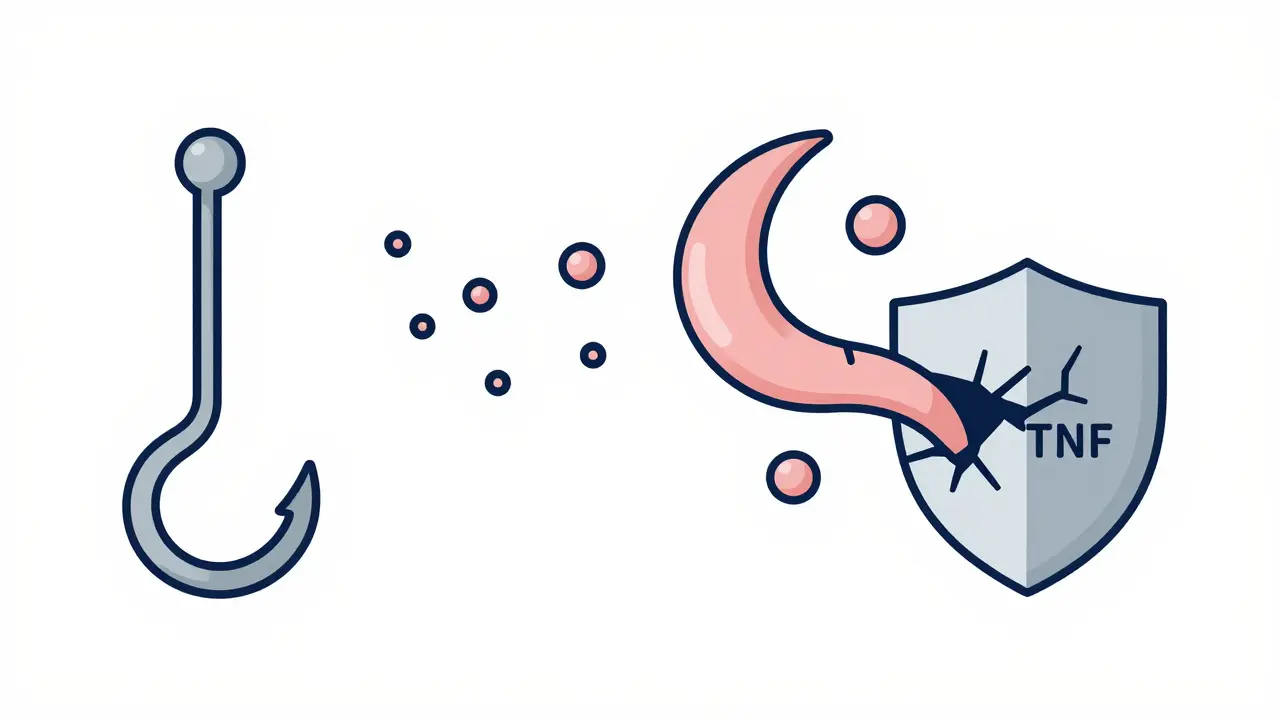
You might wonder why this happens. TNF-α (tumor necrosis factor-alpha) is a protein your immune system uses to build granulomas-tiny walls that trap TB bacteria so they don’t spread. When you take drugs that block TNF-α, those walls crumble. The bacteria wake up, multiply, and cause active disease. Understanding how to screen for this before starting treatment, and how to monitor yourself during therapy, is the difference between a safe recovery and a serious health crisis.
Why Some TNF Inhibitors Carry Higher Risks Than Others
Not all biologics are created equal when it comes to TB risk. The type of drug you take matters significantly. Research from the British Society for Rheumatology Biologics Register (BSRBR) shows a clear split in risk levels based on how these drugs work at a molecular level.
Tumor necrosis factor-alpha (TNF-α) inhibitors fall into two main classes. Class 1 includes etanercept (Enbrel), which acts as a soluble receptor that binds only to free-floating TNF. Class 2 and 3 include monoclonal antibodies like adalimumab (Humira) and infliximab (Remicade). These antibodies bind to both soluble and membrane-bound TNF. Membrane-bound TNF is crucial for keeping granulomas intact. Because adalimumab and infliximab disrupt this structure more aggressively, they carry a higher risk of TB reactivation.
| Drug Name | Class | Mechanism | Relative TB Risk |
|---|---|---|---|
| Etanercept (Enbrel) | Class 1 | Binds soluble TNF only | Lower (Reference baseline) |
| Adalimumab (Humira) | Class 2 | Binds soluble & membrane TNF | Higher (~3x Etanercept) |
| Infliximab (Remicade) | Class 3 | Binds soluble & membrane TNF | Higher (~3x Etanercept) |
This data explains why guidelines treat these drugs differently. If you are prescribed adalimumab or infliximab, your doctor will likely be stricter about pre-treatment screening than if you were starting etanercept. However, even with etanercept, screening is never optional because the risk, while lower, is not zero.
The Essential Pre-Treatment Screening Protocol
Before you receive your first dose, you must undergo rigorous screening for latent tuberculosis infection (LTBI). Latent TB means you have the bacteria in your body but no symptoms. Without treatment, the bacteria can stay dormant for decades until an immunosuppressant wakes them up.
The American Thoracic Society and CDC recommend one of two tests:
- Interferon-Gamma Release Assay (IGRA): A blood test (like QuantiFERON-TB Gold) that checks your immune response to TB proteins. It is generally preferred because it is less affected by prior BCG vaccination and doesn't require a second visit for reading results.
- Tuberculin Skin Test (TST): Also known as the PPD test, this involves injecting a small amount of fluid under the skin and checking for swelling after 48-72 hours. It is cheaper but has higher false-positive rates in people who received the BCG vaccine as children.
If either test is positive, you do not start the TNF inhibitor immediately. Instead, you begin treatment for LTBI. The standard regimen used to be isoniazid for nine months, but newer guidelines now support shorter courses. For example, the FDA approved a four-month combination of rifampin and isoniazid in 2024, which improved patient adherence from 68% to 89% in trials. Most experts recommend completing at least one month of LTBI treatment before starting the biologic, though some protocols allow starting the biologic after two weeks if monitoring is close.
Monitoring During Therapy: What You Need to Watch For
Screening before treatment is critical, but it is not foolproof. Studies show that 18% of patients who develop TB reactivation had negative screening results beforehand. This can happen due to recent infection, false negatives, or waning immunity. Therefore, ongoing vigilance is part of the job.
You should monitor yourself for specific symptoms, especially during the first six months of therapy. This is the window where most reactivation cases occur. Look out for:
- Persistent cough lasting more than three weeks
- Unexplained fever or night sweats
- Significant weight loss without diet changes
- Fatigue that feels different from your usual autoimmune fatigue
- Chest pain or shortness of breath
A concerning trend in recent studies is that TB associated with TNF inhibitors often presents atypically. In one tertiary hospital study, 78% of cases involved extrapulmonary TB (outside the lungs), such as in the lymph nodes, bones, or abdomen. This makes diagnosis harder because the classic "coughing blood" symptom might be absent. If you feel unwell, do not assume it is just a side effect of the medication or a flare-up of your autoimmune condition. Ask your doctor to rule out infection.
Special Considerations for High-Risk Groups
Your personal risk depends heavily on your history and geography. If you were born in or lived for extended periods in countries with high TB burden (defined as >40 cases per 100,000 people annually), your risk is significantly higher. Countries in parts of Asia, Africa, and Eastern Europe fall into this category.
For these patients, the European League Against Rheumatism (EULAR) recommends treating for LTBI regardless of the initial screening result. Why? Because screening tests have limitations. They can miss low-level infections or fail in individuals with compromised immune systems. Treating preemptively is considered safer than risking reactivation later.
Another high-risk group includes people with a history of TB exposure, such as family members who had active TB, or those who have worked in healthcare or correctional facilities. If you fall into any of these categories, discuss a more aggressive screening strategy with your rheumatologist or pulmonologist. This might include a chest X-ray in addition to the IGRA or TST.
Managing Treatment Delays and Adherence Challenges
One of the biggest frustrations for patients is the delay in starting their biologic therapy. Waiting for LTBI treatment to complete can mean waiting months for relief from debilitating joint pain or skin lesions. This leads to anxiety and sometimes non-adherence to the TB preventive meds.
However, skipping or rushing LTBI treatment is dangerous. Active TB while on a TNF inhibitor is severe. Data suggests a 23% higher mortality rate in anti-TNF-associated TB cases compared to community-acquired TB. The stakes are high. To manage the wait, doctors may use bridging therapies like methotrexate or corticosteroids to control symptoms temporarily, though these also carry risks and require careful management.
If you are prescribed isoniazid, be aware of potential side effects like liver toxicity. Your doctor will likely order regular liver function tests. Newer regimens using rifampin-based combinations are often better tolerated and shorter, making them easier to stick with. Do not stop your LTBI medication early because you feel fine. The bacteria are still there, waiting for the moment your immune system drops its guard again.
Future Directions and Safer Alternatives
Science is working on solutions to reduce this risk. Researchers are developing selective TNF inhibitors that target only the soluble form of TNF, leaving the membrane-bound form-and thus the granulomas-intact. Early Phase II trials of CD271-targeted therapies showed an 80% reduction in TB reactivation risk in animal models compared to conventional agents. While these drugs are not yet widely available, they represent a promising future where we can treat autoimmune diseases without compromising TB defenses.
Until then, the current standard remains strict adherence to screening and monitoring protocols. The goal is not to fear TNF inhibitors-they are life-changing medications-but to respect their power and manage their risks proactively. By understanding the differences between drugs, committing to thorough screening, and staying alert during treatment, you can safely benefit from these advanced therapies.
How long do I have to wait after LTBI treatment to start TNF inhibitors?
Guidelines vary, but most experts recommend completing at least one month of LTBI treatment before starting a TNF inhibitor. Some protocols allow starting the biologic after two weeks if close monitoring is in place. Never start the biologic without finishing the recommended course of preventive TB medication unless explicitly directed by your specialist.
Is etanercept safer than adalimumab for TB risk?
Yes, etanercept carries a lower risk of TB reactivation compared to adalimumab and infliximab. This is because etanercept primarily binds to soluble TNF, whereas adalimumab and infliximab bind to both soluble and membrane-bound TNF, which is critical for maintaining the granulomas that contain TB bacteria.
Can I get TB if my screening test was negative?
Yes. Approximately 18% of TB reactivation cases in TNF inhibitor users occurred despite negative pre-treatment screening. This can happen due to false-negative tests, recent exposure to TB after screening, or new infections. This is why ongoing symptom monitoring is essential throughout your treatment.
What are the symptoms of TB reactivation on biologics?
Symptoms include persistent cough, fever, night sweats, weight loss, and fatigue. Importantly, TNF-associated TB often presents outside the lungs (extrapulmonary), affecting lymph nodes, bones, or the abdomen. Unexplained pain or swelling in these areas should be evaluated promptly.
Do I need a chest X-ray before starting TNF inhibitors?
A chest X-ray is often recommended, especially if you have symptoms of TB, a positive screening test, or a history of TB exposure. It helps identify any existing lung damage or active disease that might not show up on blood or skin tests alone.