
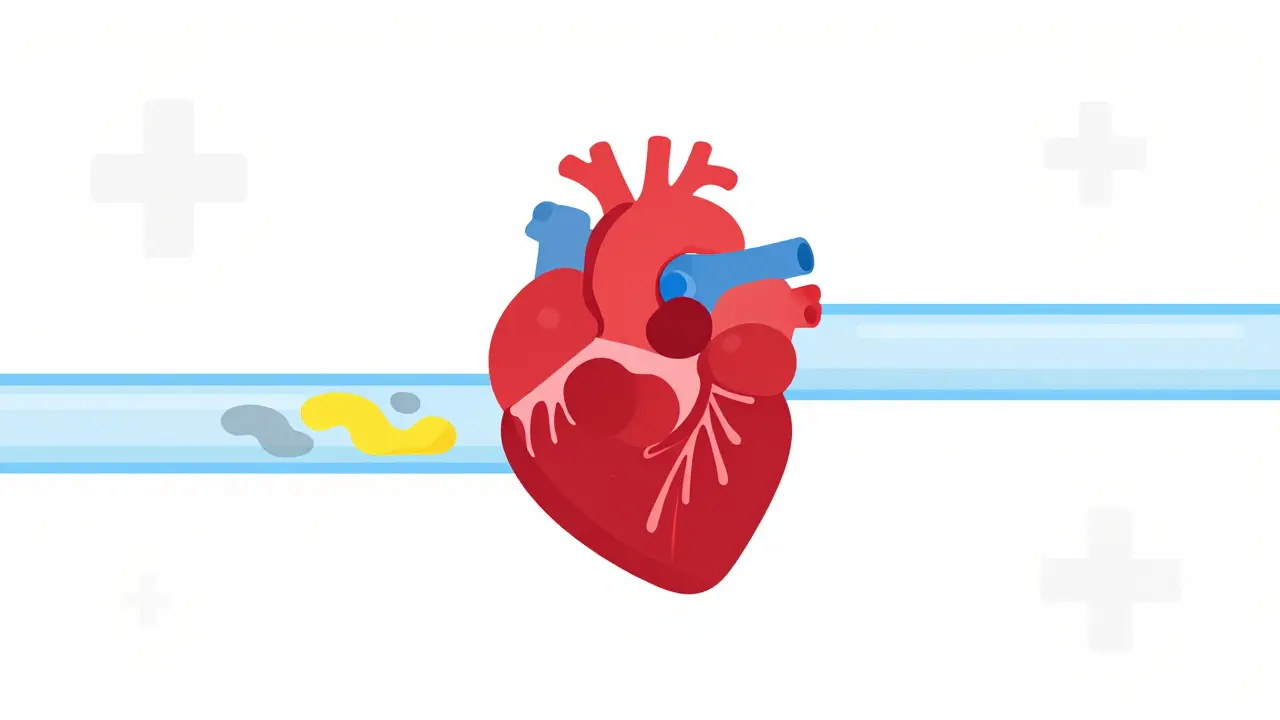
Your heart is the engine of your body, pumping blood through a complex network of pipes known as coronary arteries. When these pipes get clogged, the engine starts to sputter. This condition, known as Coronary Artery Disease (CAD), is not just a medical term; it is the leading cause of death globally, responsible for roughly 13% of all fatalities worldwide according to World Health Organization data from 2000 to 2021. But here is the tricky part: you can have severe blockages without feeling a thing until it’s too late. Understanding how this happens, who is at risk, and what modern medicine offers in 2026 is crucial for staying ahead of the curve.
The Silent Buildup: What Is Atherosclerosis?
To understand CAD, you first need to understand its root cause: atherosclerosis. Think of your arteries like garden hoses. Over time, gunk builds up on the inside walls. In your body, this gunk is called plaque. It consists of cholesterol, fat, calcium, and other substances found in your blood. This process doesn't happen overnight. It starts with damage to the inner lining of the artery, often caused by high blood pressure or smoking. Once the lining is damaged, low-density lipoprotein (LDL) particles-often called "bad" cholesterol-seep into the wall.
Your immune system sends inflammatory cells to clean up the mess, but instead of fixing the problem, they contribute to the buildup. These cells merge with the LDL to form fatty streaks, which eventually harden into fibrous plaques. The scary reality? You might have significant narrowing before you feel any symptoms. Stable plaques usually narrow the vessel lumen by more than 50%, causing predictable chest pain during exercise. Unstable plaques, however, are different. They often narrow the vessel by less than 50% but have a thin, fragile cap. If that cap ruptures, a blood clot forms instantly, blocking the artery completely and triggering a heart attack. This is why some people suffer sudden cardiac events despite having "only mild" blockages seen on previous tests.
Who Is at Risk? Identifying the Warning Signs
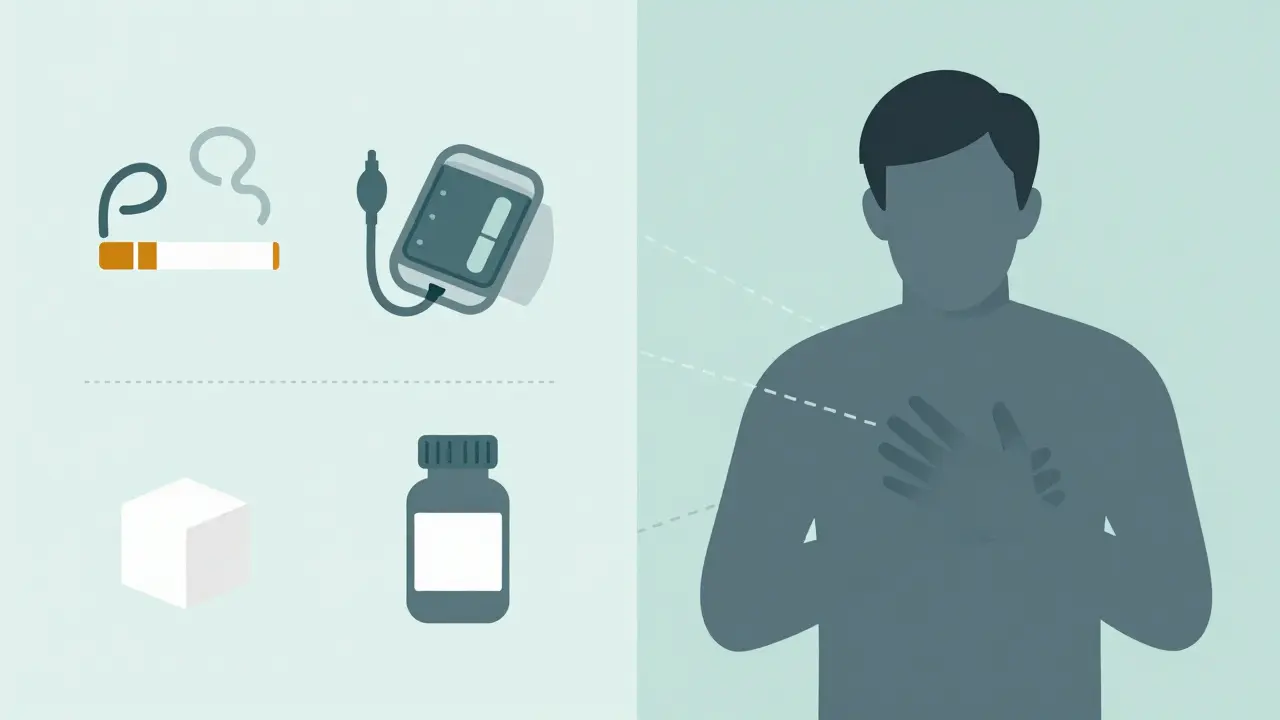
You might think heart disease only affects older men, but the landscape has shifted. Women, younger adults, and people with specific chronic conditions are increasingly affected. The 2023 ACC/AHA Chronic Coronary Disease Guidelines highlight several key risk factors that significantly raise your chances of developing CAD:
- Dyslipidemia: High levels of LDL cholesterol and triglycerides, combined with low HDL ("good") cholesterol.
- Hypertension: High blood pressure damages arterial walls, making them susceptible to plaque buildup.
- Diabetes: High blood sugar accelerates atherosclerosis and makes plaques more unstable.
- Smoking: Tobacco use is a primary driver of endothelial dysfunction and inflammation.
- Obesity: An elevated BMI strains the heart and contributes to metabolic syndrome.
- Family History: Genetics play a role, especially if close relatives had early heart attacks.
Risk isn't just about having one factor; it's about the combination. For instance, a patient with diabetes and chronic kidney disease (eGFR <60 ml/min) is considered high-risk, even if their cholesterol looks okay. Studies show that 75% of primary cardiovascular events occur in patients classified as high-risk. This means if you fall into this category, aggressive management is non-negotiable.
| Risk Category | Yearly Risk of CV Death or MI | Key Characteristics |
|---|---|---|
| Low Risk | <1% | No prior events, controlled risk factors, no diabetes. |
| Intermediate Risk | 1% to 3% | One major risk factor or mild symptoms, stable angina. |
| High Risk | >3% | Prior MI, heart failure, diabetes, multi-vessel disease, eGFR <60. |
Diagnosis: How Doctors Spot the Blockage
If you suspect you have CAD, waiting for a heart attack is not an option. Diagnosis involves a mix of non-invasive tests and, when necessary, invasive procedures. Your doctor will likely start with an Electrocardiogram (ECG), which records the electrical activity of your heart. While useful, an ECG can look normal even if you have significant blockages, especially if you aren't currently experiencing pain.
Next, they may order a stress test. This evaluates how your heart responds to physical exertion. You might walk on a treadmill while hooked up to monitors, or receive medication that simulates exercise if you can't walk. If the stress test shows reduced blood flow to parts of the heart, further imaging is needed. Coronary angiography remains the gold standard for definitive diagnosis. During this procedure, a catheter is threaded through an artery in your wrist or groin up to your heart. Contrast dye is injected, and X-rays reveal exactly where the blockages are and how severe they are. For patients with suspected peripheral artery disease (PAD), an Ankle-Brachial Index (ABI) test is also recommended, as PAD and CAD often coexist.

Treatment Options: From Lifestyle Changes to Surgery
Treating CAD is a marathon, not a sprint. The goal is to stabilize existing plaque, prevent new plaque from forming, and restore blood flow if necessary. Treatment strategies are tailored to your risk level and symptom severity.
Lifestyle Modifications
This is the foundation of all treatment. No pill works well if you continue to smoke or eat a diet high in saturated fats. Key changes include:
- Diet: Adopting a heart-healthy diet rich in fruits, vegetables, whole grains, and lean proteins. Reducing sodium helps control blood pressure.
- Exercise: Regular aerobic exercise strengthens the heart muscle and improves circulation. Aim for at least 150 minutes of moderate-intensity activity per week.
- Weight Management: Losing even a small amount of weight can significantly reduce strain on the heart.
Medications
Most patients require lifelong medication. Common prescriptions include:
- Statins: Lower LDL cholesterol and stabilize plaque, reducing the risk of rupture.
- Antiplatelet Agents: Aspirin or clopidogrel prevents blood clots from forming on plaques.
- Beta-blockers: Reduce heart rate and blood pressure, lowering the heart's oxygen demand.
- ACE Inhibitors: Help relax blood vessels and lower blood pressure, particularly beneficial for those with diabetes or kidney disease.
Procedures
If lifestyle and meds aren't enough, or if blockages are severe, interventions are needed. Percutaneous Coronary Intervention (PCI), commonly known as angioplasty, involves inserting a balloon-tipped catheter into the blocked artery. The balloon inflates to push the plaque against the artery wall, and a stent (a tiny mesh tube) is placed to keep the artery open. For more complex cases involving multiple blockages or poor heart function, Coronary Artery Bypass Grafting (CABG) surgery may be required. This involves taking a healthy blood vessel from another part of your body and using it to bypass the blocked section, creating a new route for blood to flow to the heart muscle.
Living with CAD: Long-Term Outlook
Receiving a CAD diagnosis can be frightening, but it is manageable. With proper treatment, many people live full, active lives. The key is consistency. Medication dosages may change over time based on your clinical response and risk assessment. Regular follow-ups with your cardiologist are essential to monitor progress and adjust therapies. Additionally, emerging fields like cardio-oncology are addressing the needs of patients who have both heart disease and cancer, ensuring that treatments for one condition don't worsen the other. As we move through 2026, personalized therapeutic strategies are becoming the norm, focusing on individual risk profiles rather than one-size-fits-all approaches.
Can coronary artery disease be reversed?
While you cannot completely remove existing plaque, you can stabilize it and prevent it from growing. Aggressive lifestyle changes and medications like statins can shrink soft plaque slightly and harden dangerous soft plaque, making it less likely to rupture. Revascularization procedures like PCI or CABG restore blood flow but do not cure the underlying disease.
What are the early signs of CAD?
The most common sign is angina, or chest pain, often described as pressure, squeezing, or fullness. It may radiate to the arms, neck, jaw, or back. However, women, diabetics, and older adults may experience atypical symptoms like shortness of breath, fatigue, nausea, or indigestion without classic chest pain.
How does diabetes affect heart health?
Diabetes significantly increases the risk of CAD because high blood sugar damages blood vessels and nerves that control the heart. It also tends to make plaques more unstable and widespread, affecting smaller arteries that are harder to treat with stents or bypass surgery.
Is a stent permanent?
Yes, once implanted, a stent becomes part of the artery wall. However, restenosis (re-narrowing) can occur if plaque builds up inside the stent. This is why lifelong medication, particularly antiplatelets, is critical after stent placement to prevent clots.
When should I see a cardiologist?
You should see a cardiologist if you have symptoms like chest pain, shortness of breath, or palpitations, or if you have multiple risk factors such as diabetes, high blood pressure, and a family history of heart disease. Early screening can detect issues before they become life-threatening.