
Whether you're trying to balance the pH of a swimming pool, bake a cake, or formulate a professional skincare line, finding the right source for Sodium Bicarbonate is a versatile chemical compound with the formula NaHCO₃, widely known as baking soda can be surprisingly confusing. You aren't just looking for a white powder; you're looking for a specific level of purity. Buying a grocery-store box is fine for cookies, but if you're running a lab or a livestock farm, that won't cut it. The trick is matching the "grade" of the product to your specific goal so you don't overpay for purity you don't need, or worse, use a contaminated product where precision matters.
Know Your Grades Before You Buy
Before you hit the "buy" button, you need to understand that not all baking soda is created equal. The market splits these into grades based on purity and intended use. If you pick the wrong one, you're either wasting money or risking your project.
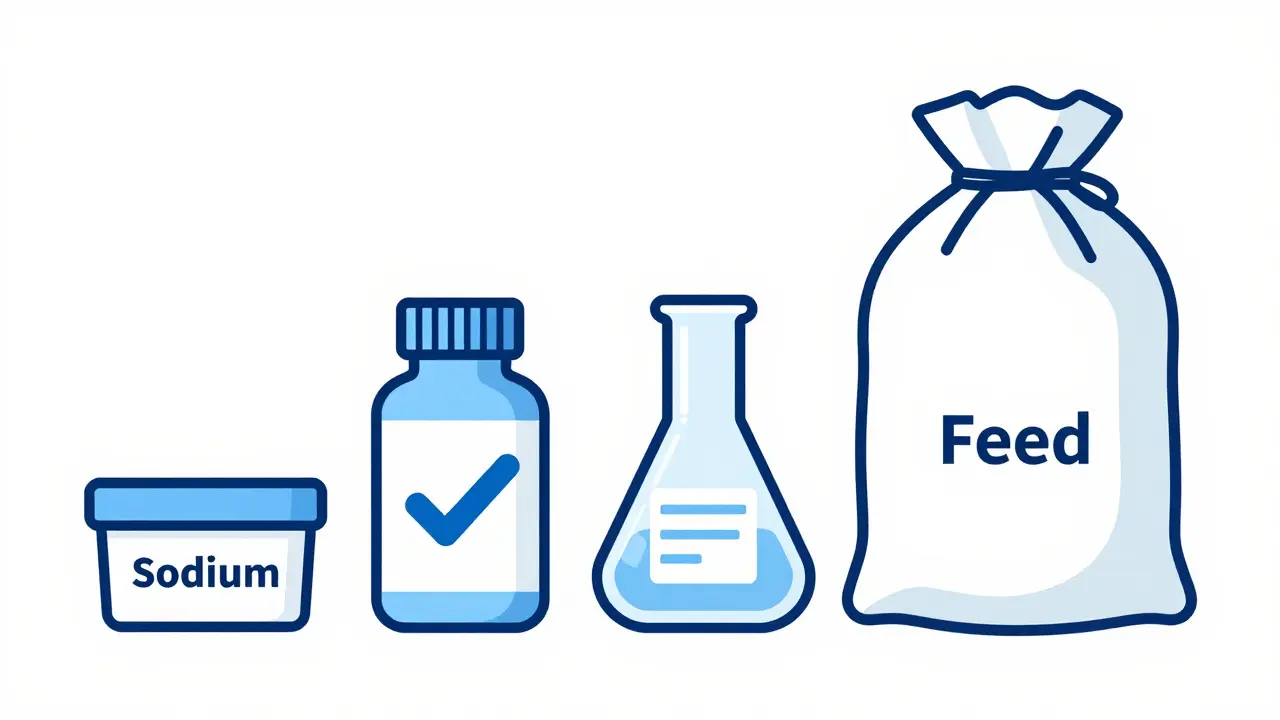
- Consumer Grade: This is your standard supermarket find. It's 100% pure sodium bicarbonate but lacks the rigorous certification paperwork. It's perfect for cleaning, deodorizing, and basic baking.
- USP Grade: USP Grade is a standard set by the United States Pharmacopeia that ensures the chemical is pure enough for pharmaceutical and food-grade applications . If you are making medicine, professional supplements, or commercial food products, this is the non-negotiable standard.
- Laboratory Grade: This is the "gold standard" for purity. It's designed for analytical testing and scientific research. It's significantly more expensive because it comes with a Certificate of Analysis (CoA) proving its exact chemical makeup.
- Feed Grade: Specifically formulated for animals. These often come in massive bags and are designed to stabilize rumen pH in livestock like cattle and horses to prevent acidosis.
Where to Buy Sodium Bicarbonate Online
Depending on the grade you need, your shopping list will look very different. Here is a breakdown of the most reliable online sources based on what you're trying to achieve.
For Home Use and DIY Crafting
If you're making bath bombs, soaps, or just need a few pounds for the house, stick to retail-focused platforms. Walmart is a go-to for consumer-grade powder, often selling brands like Pure Original Ingredients for around $9.99 for a 2-pound bag. For those into the "clean beauty" movement, Bulk Apothecary is a great choice because they explicitly market aluminum-free versions, which is a big deal for people avoiding heavy metal contaminants in their skincare.
If you're a serious hobbyist making bath fizzies or body powders, Wholesale Supplies Plus is tailored specifically for the crafting community. They treat sodium bicarbonate as a pH balancer for skin softening, making it easier to buy the exact quantities needed for soap making without ordering a commercial pallet.
For Scientific and Professional Lab Work
When precision is everything, you move away from retail stores and toward chemical suppliers. Lab Alley provides laboratory-grade powder. Be prepared for a price jump here; while a grocery store bag is cheap, a 1-pound container of lab-grade powder can cost around $64.78. This premium pays for the purity certifications required for legitimate scientific data.
For Industrial, Food, and Pharma Production
When you need 50 pounds or 2,000 pounds, you stop looking at "carts" and start looking at "quotes." CORE CHEM Inc. is a powerhouse for those in the Eastern US, offering USP grade products in everything from 25-pound pails to massive supersacks. They use a hybrid model where you can buy some items online for next-day shipping, but larger bulk orders require a custom quote.
Other heavy hitters include Ingredi, which distributes Arm & Hammer USP Grade 1 bags, and Shaya and Company. Shaya is unique because they balance a digital storefront with a physical location in Oregon, giving you the option to do a "will-call" pickup if you're in the area.
For Agriculture and Livestock
Farmers have a different set of needs. New Country Organics specializes in feed-grade sodium bicarbonate. The key here is the OMRI certification, which means the product is approved for organic agricultural use. This is typically sold in 50-pound quantities and used for "free-choice feeding," where livestock regulate their own intake to keep their digestive systems healthy.
| Grade | Best For | Common Supplier | Price Point | Key Attribute |
|---|---|---|---|---|
| Consumer | Baking, Cleaning | Walmart | Low | Accessible |
| USP | Pharma, Food Production | CORE CHEM Inc. | Moderate | Certified Purity |
| Laboratory | Scientific Research | Lab Alley | High | Analytical Grade |
| Feed | Livestock Health | New Country Organics | Bulk Value | OMRI Certified |
Shopping Tips: How to Avoid Costly Mistakes
Buying chemicals online can be risky if you aren't careful. To ensure you get exactly what you paid for, keep these rules of thumb in mind:
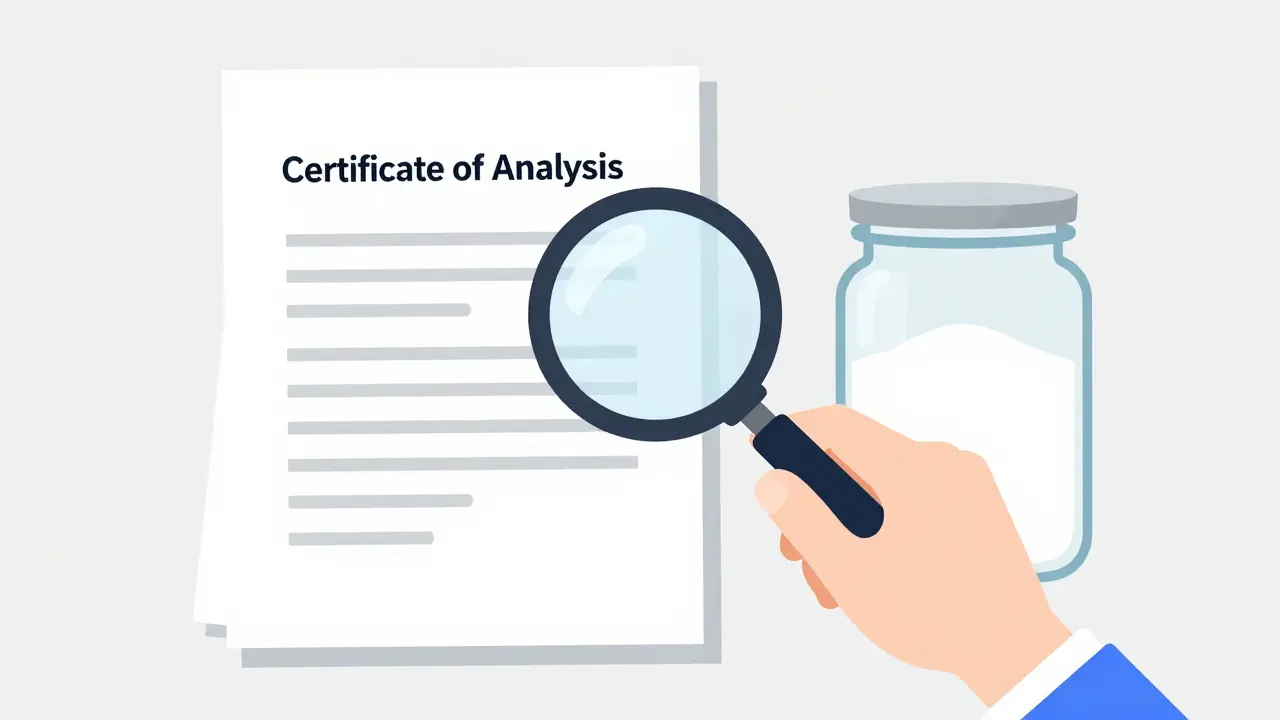
- Check for the CoA: If you are buying USP or Lab grade, ask for the Certificate of Analysis. This document proves the batch was tested and meets the claimed specifications. If a "professional" supplier can't provide one, walk away.
- Calculate the Per-Pound Cost: It's easy to be fooled by a low headline price. A 1-pound bag of lab grade is a rip-off compared to a 50-pound USP bag. Always divide the total price by the weight to see the real value.
- Verify Shipping Logistics: Sodium bicarbonate is heavy. Shipping costs for a 50-pound bag can sometimes double the price of the product. Look for regional distributors (like CORE CHEM in the East US) to keep freight costs down.
- Storage Matters: Once it arrives, keep it in a sealed container. Sodium bicarbonate is hygroscopic, meaning it absorbs moisture from the air, which can cause it to clump and lose effectiveness.
Common Pitfalls to Avoid
A common mistake is buying "pure" sodium bicarbonate for a medical purpose without checking if it's USP grade. While "100% pure" sounds good, it doesn't mean it's free from the specific trace contaminants that the USP standard regulates. Similarly, don't use feed-grade powder in your kitchen-while it's organic, it isn't processed for human consumption standards.
Another trap is ignoring the "aluminum-free" label when buying for skincare. Some lower-end bulk powders may contain impurities that can irritate sensitive skin. If you're making a high-end face mask or bath soak, the extra few dollars for an aluminum-free certified powder from a place like Bulk Apothecary is a smart investment.
What is the difference between baking soda and sodium bicarbonate?
Chemically, they are exactly the same thing (NaHCO₃). "Baking soda" is the common consumer name used in kitchens, while "sodium bicarbonate" is the chemical name used in laboratories, pharmacies, and industrial settings. When buying online, searching for "sodium bicarbonate" usually leads you to more professional-grade suppliers than searching for "baking soda."
Is USP grade sodium bicarbonate safe for eating?
Yes. USP grade is specifically designed to meet the purity standards of the United States Pharmacopeia, making it safe for use in food and pharmaceutical products. It is actually a higher standard of purity than what you typically find in a standard grocery store box.
Why is laboratory grade so much more expensive?
The cost isn't just for the powder; it's for the testing. Lab-grade chemicals undergo rigorous analytical testing to ensure there are virtually no impurities. You are paying for the documentation and the guarantee that the chemical will not interfere with sensitive scientific experiments.
How should I store bulk sodium bicarbonate to keep it fresh?
Store it in a cool, dry place in an airtight plastic or glass container. Because it absorbs moisture and odors from the air, leaving it in an open bag will lead to clumping and a loss of potency. If you bought a 50-pound bag, consider portioning it into smaller, sealed containers.
Can I use feed-grade sodium bicarbonate for my garden?
Yes, especially if it is OMRI certified. Many gardeners use sodium bicarbonate as a natural fungicide to treat powdery mildew on plants. Feed-grade is often a cost-effective way to get the volume needed for outdoor applications without paying for pharmaceutical-grade purity.
Next Steps for Different Buyers
If you're a home cook or cleaner: Just head to Walmart or your local supermarket. The cost of shipping a heavy box of baking soda online usually outweighs any small discount you'd find.
If you're a DIY skincare entrepreneur: Look at Bulk Apothecary or Wholesale Supplies Plus. Focus on "aluminum-free" and "pure" labels to ensure your products don't irritate customers' skin.
If you're a business owner (Food/Pharma): Contact CORE CHEM Inc. or Ingredi. Request a quote for 50lb bags or larger to get the lowest per-pound price, and always ask for the USP certification and CoA before paying.
If you're a researcher: Use Lab Alley. Don't be tempted by cheaper grades; the risk of a contaminated sample ruining a week of research is far more expensive than the cost of the high-grade powder.



Kelly Feehely
May 1, 2026 AT 13:28Imagine actually trusting a "certified" supplier from a corporate entity. The USP grade is just a way for them to slap a label on it so you stop asking what trace heavy metals are actually in there. You think the government is actually monitoring these batches? Please. If you aren't distilling your own precursors, you're just playing into their game of controlled purity while they keep the real stuff for the elites. Absolute joke.
Andrew Hanssen
May 3, 2026 AT 10:17The obsession with "grade" is utterly tedious. Chemically, the molecule remains identical regardless of whether it was packaged by a pharmacist or a farmer. This entire guide is essentially an exercise in marketing psychology, convincing the reader that they need to pay a 6000% markup for the privilege of receiving a piece of paper called a CoA.
Jimmy Crocker
May 5, 2026 AT 01:18Quite frankly, it is simply laughable that anyone would even consider using retail-grade powder for anything beyond the most rudimentary of culinary tasks, as the sheer lack of analytical precision in consumer-grade products is an affront to anyone with a modicum of intellectual rigor, though I supose most people are just too lazy to source properly from lapped-grade vendors who actually understand the molecular stoichiometry involved in high-end chemical applications.
Sarah Mifsud
May 5, 2026 AT 16:31Great list! I usualy go through Bulk Apothecary for my soaps and the alumium-free stuff really does make a differnce for people with sensitive skin. Its way better to buy in bulk online then run to the store every week.
Ken Baldridge
May 6, 2026 AT 10:04This is some high-level knowledge right here. If you're trying to optimize your pH-balancing workflow, understanding the delta between USP and Lab grade is the real game-changer. Total power move for anyone scaling their production. Keep grinding and keep those certifications tight!
Bradley Gusick
May 8, 2026 AT 09:26Buy American or don't buy at all. These global supply chains are just a way for foreign entities to bleed us dry while they ship us sub-par chemicals. We need to return to a time when we produced everything within our own borders without this endless bureaucratic nonsense about "international standards." It is a philosophical war for the soul of our industry!
Christina Lancey
May 9, 2026 AT 11:49This is such a helpful guide for anyone starting a small business.
Alexa Mack
May 9, 2026 AT 19:09I wonder if there are similar grade systems for other common chemicals used in skincare. It's really interesting how the purity requirements change depending on if it's for a horse or a human. I appreciate the breakdown of the different suppliers!