
Medication Drowsiness Risk Calculator
Medication Drowsiness Risk Assessment
Enter your current medications to calculate your drowsiness risk score based on the latest clinical data
Your Drowsiness Risk Assessment
Recommended Actions
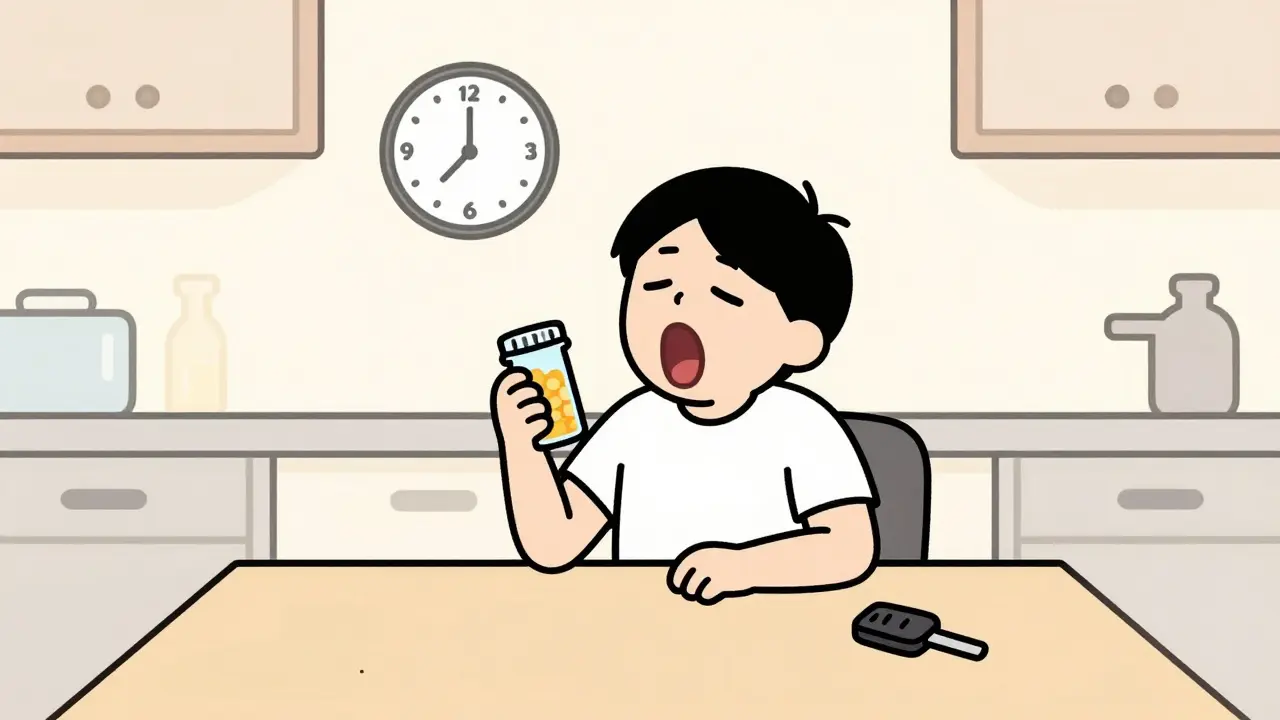
Feeling sleepy after taking your morning pill? You’re not alone. Around 15-20% of adults experience drowsiness caused by medications, and many don’t even realize it’s the drug, not their lifestyle, that’s dragging them down. This isn’t just about needing a nap-it’s about safety, focus, and quality of life. Drowsiness from medication can turn a simple drive into a dangerous one, increase fall risks for older adults, and make work or school feel impossible. The good news? You don’t have to just live with it. Understanding what’s causing it and how to fix it can change everything.
What Medications Cause Drowsiness?
Not all pills make you tired, but many common ones do. The biggest culprits are drugs that slow down your central nervous system (CNS). This includes several major categories:- Antihistamines like diphenhydramine (Benadryl), hydroxyzine (Vistaril), and meclizine (Antivert) are designed to block histamine, which helps with allergies-but that same action makes you sleepy. Up to 70% of people taking first-gen antihistamines report heavy drowsiness.
- Tricyclic antidepressants such as amitriptyline and doxepin are often prescribed for depression, chronic pain, or insomnia. While effective, they cause fatigue in 30-40% of users. Many patients don’t realize their constant tiredness is tied to these meds.
- Benzodiazepines like alprazolam (Xanax), diazepam (Valium), and lorazepam (Ativan) calm anxiety but also depress brain activity. Their effects can last hours to days, depending on how long they stay in your system.
- Beta-blockers like metoprolol and propranolol, used for high blood pressure and heart conditions, can cause tiredness in 10-15% of users by slowing heart rate and reducing energy flow.
- Opioids (oxycodone, hydrocodone), muscle relaxants (cyclobenzaprine), and anticonvulsants (gabapentin, pregabalin) also carry strong sedative effects. Combining opioids with benzodiazepines is especially dangerous-it can shut down breathing and has led to over 16,700 overdose deaths in the U.S. in 2021 alone.
Even some antibiotics and antivirals can leave you drained. The problem? Most people don’t connect their fatigue to their meds. Studies show it takes an average of 4.2 months before patients realize their tiredness is drug-related.
Why Does This Happen?
At the core, medication-induced drowsiness is about brain chemistry. Many drugs interfere with neurotransmitters like histamine, serotonin, or GABA-chemicals that keep you alert and awake. Antihistamines, for example, cross into the brain and block histamine receptors, which normally help maintain wakefulness. Benzodiazepines boost GABA, a calming neurotransmitter, which slows brain activity across the board.Some medications are designed to make you sleepy (like sleep aids), while others cause drowsiness as a side effect. The difference matters. If you’re taking a sleep med, feeling tired at night is expected. But if you’re on a blood pressure pill and you’re nodding off at 2 p.m., that’s not normal-it’s a signal.
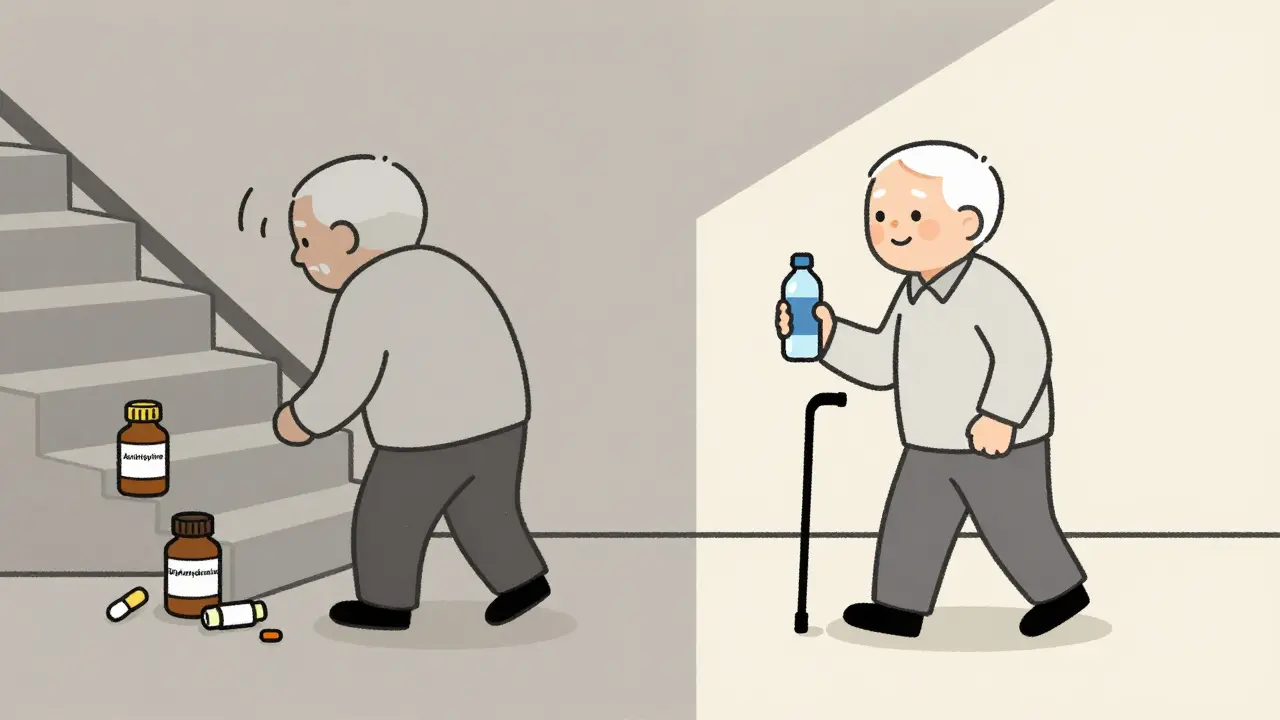
Age also plays a role. Older adults process drugs slower, so even standard doses can build up and cause more sedation. The American Geriatrics Society warns that 34% of medications commonly prescribed to seniors carry drowsiness risks, making falls and confusion far more likely.
How to Tell If Your Drowsiness Is From Medication
It’s easy to blame stress, poor sleep, or aging. But if your tiredness started after beginning a new drug-or got worse after a dose increase-it’s likely connected. Ask yourself:- Did the fatigue begin within days or weeks of starting a new medication?
- Does it happen every time you take the pill, or only at certain times of day?
- Do you feel more alert after skipping a dose (under medical supervision)?
- Have others noticed you’re more sluggish than usual?
Keep a simple log: write down what you took, when, and how sleepy you felt over the next 24 hours. Patterns often show up quickly. Many patients on Reddit and patient forums report realizing the link only after switching meds or adjusting timing-and feeling like a new person afterward.
What You Can Do to Reduce Drowsiness
The good news: you have options. You don’t have to suffer silently.1. Take Your Medication at Night
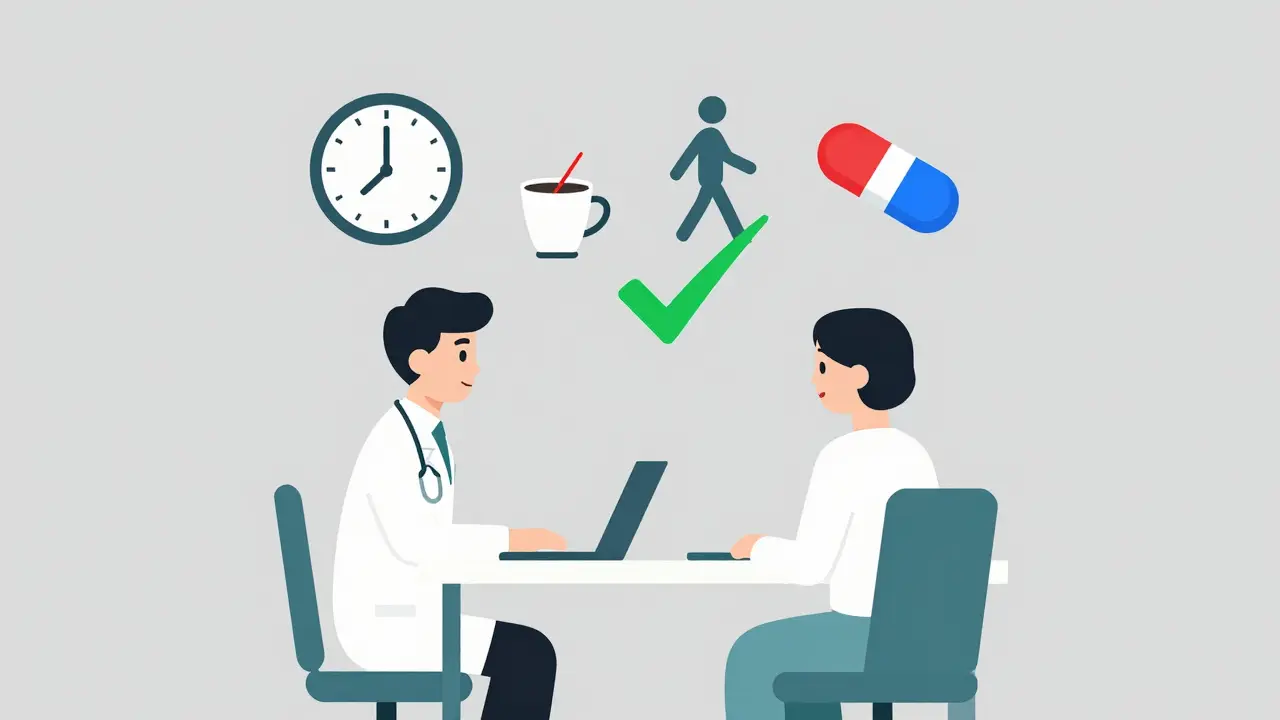
This is the simplest, most effective trick for many people. If your drug causes drowsiness, taking it at bedtime instead of in the morning can cut daytime sleepiness by 50-70%. Many antidepressants, antihistamines, and muscle relaxants are already labeled for nighttime use-but if your doctor didn’t mention it, ask. A 2023 study found that 82% of patients who switched timing saw major improvement.2. Talk to Your Doctor About Alternatives
There are often non-sedating versions of the same drug. For example:- Switch from diphenhydramine (Benadryl) to loratadine (Claritin) or cetirizine (Zyrtec)-second-gen antihistamines that rarely cause sleepiness.
- Swap propranolol for nebivolol, a beta-blocker linked to less fatigue in patient reports.
- Change from amitriptyline to desvenlafaxine, which one Reddit user described as “the difference between a zombie and a human.”
Pharmaceutical companies are developing more “non-sedating” drugs. In fact, second-gen antihistamines now make up 78% of the allergy medication market because patients demanded less drowsiness.
3. Avoid Alcohol and Caffeine Misuse
Alcohol is a CNS depressant. Mixing it with sleep-inducing meds can be deadly. Even one drink can double the sedative effect.Caffeine is trickier. Some people swear by coffee to fight drowsiness. But if you’re drinking it after noon, it might be wrecking your nighttime sleep-making daytime fatigue worse. Harvard Health advises: if you’re using caffeine to stay awake, you’re just masking the problem. It doesn’t fix the root cause.
4. Get Moving and Sleep Better
Light daily exercise-like a 20- to 30-minute walk-can improve energy levels by 30-40% in patients on sedating meds. Movement boosts circulation and helps regulate your body clock.Also, aim for 7-8 hours of quality sleep every night. Poor sleep hygiene (screen time before bed, irregular hours, noisy environment) makes medication drowsiness feel worse. The Cleveland Clinic recommends a consistent bedtime routine as part of managing fatigue.
5. Stay Hydrated
Dehydration can amplify the tiredness caused by medications. Your brain needs water to function properly. If you’re not drinking enough, even a mild dose of a sedating drug can feel overwhelming. Keep a water bottle nearby and sip throughout the day.When to Worry and When to Call Your Doctor
Some drowsiness fades as your body adjusts-often within 2 to 4 weeks. That’s normal. But if it doesn’t improve, or if you’re experiencing:- Difficulty staying awake during the day
- Memory lapses or confusion
- Slurred speech or unsteady walking
- Thoughts of stopping your medication
...then talk to your doctor. Never stop a medication cold turkey, especially antidepressants, benzodiazepines, or opioids. Abruptly quitting can cause dangerous withdrawal symptoms, including seizures, panic attacks, or serotonin syndrome.
Instead, ask for a slow taper or a switch to a less sedating alternative. Your pharmacist can also help review your full list of meds for dangerous interactions.
The Bigger Picture: Why This Matters
Medication-induced drowsiness isn’t just a personal annoyance-it’s a public health issue. In 2022, the FDA received over 127,000 reports of drowsiness as a side effect, a 22% jump since 2018. In the U.S. alone, fatigue from meds costs the economy $411 billion a year in lost productivity.Older adults are at highest risk. One in three falls in seniors is linked to sedating medications. That’s why the American Geriatrics Society includes drowsiness-causing drugs on its “Beers Criteria”-a list of medications to avoid or use with extreme caution in older patients.
Looking ahead, tools like genetic testing (e.g., GeneSight panels) are helping predict who’s more likely to react badly to certain drugs. Early results show a 35% drop in side effects when doctors use these tests to guide prescriptions.
But the most powerful tool right now? Education. The CDC found that patients who received clear counseling about side effects had 40% fewer emergency visits related to drowsiness. Knowing what to expect-and what to do-makes all the difference.


Chris & Kara Cutler
February 1, 2026 AT 07:17Rachel Liew
February 3, 2026 AT 07:03Naresh L
February 3, 2026 AT 12:28Jaden Green
February 4, 2026 AT 08:57Deep Rank
February 6, 2026 AT 05:36Nancy Nino
February 7, 2026 AT 06:30Jamie Allan Brown
February 7, 2026 AT 22:20Lu Gao
February 8, 2026 AT 20:43