Imagine standing at customs in Tokyo or Dubai, sweating as an officer scans your bag. You’re not carrying contraband. You’re just holding the painkillers or ADHD medication your doctor prescribed last week. But in many countries, that bottle isn’t medicine-it’s a crime scene waiting to happen. Every year, thousands of travelers face detention, fines, or deportation because they didn’t check one simple thing: whether their daily pills are legal where they’re going.
This isn’t paranoia. It’s reality. A medication that is completely standard in the United States or Australia can be classified as a hard narcotic elsewhere. The gap between what we consider "safe" and what other governments consider "dangerous" is wide, dangerous, and often poorly communicated. If you take prescription drugs, understanding these rules isn’t optional; it’s the difference between a smooth vacation and a life-altering legal nightmare.
The Hidden Trap: Why Legal Meds Become Illegal Abroad
You might wonder why a country would ban something so common. The short answer? Different definitions of "drug abuse." Many nations follow strict interpretations of international treaties like the 1961 Single Convention on Narcotic Drugs. These agreements give countries broad power to control substances they fear could be misused or diverted into black markets.
For example, ingredients used to make methamphetamine are heavily restricted globally. This means common over-the-counter decongestants containing pseudoephedrine (like Sudafed) are banned in Japan and several other Asian countries. Similarly, stimulants used for ADHD treatment are viewed with extreme suspicion in places like China and the UAE. They see the potential for recreational abuse, regardless of your medical need.
The stakes are incredibly high. In the United Arab Emirates, carrying small amounts of certain controlled substances without prior approval can lead to prison sentences ranging from one to three years. Thailand recently increased penalties for stimulant violations, with fines reaching up to $28,500 USD and imprisonment terms of five to ten years. These aren’t minor infractions; they are serious criminal charges.
Top Countries with Strictest Medication Laws
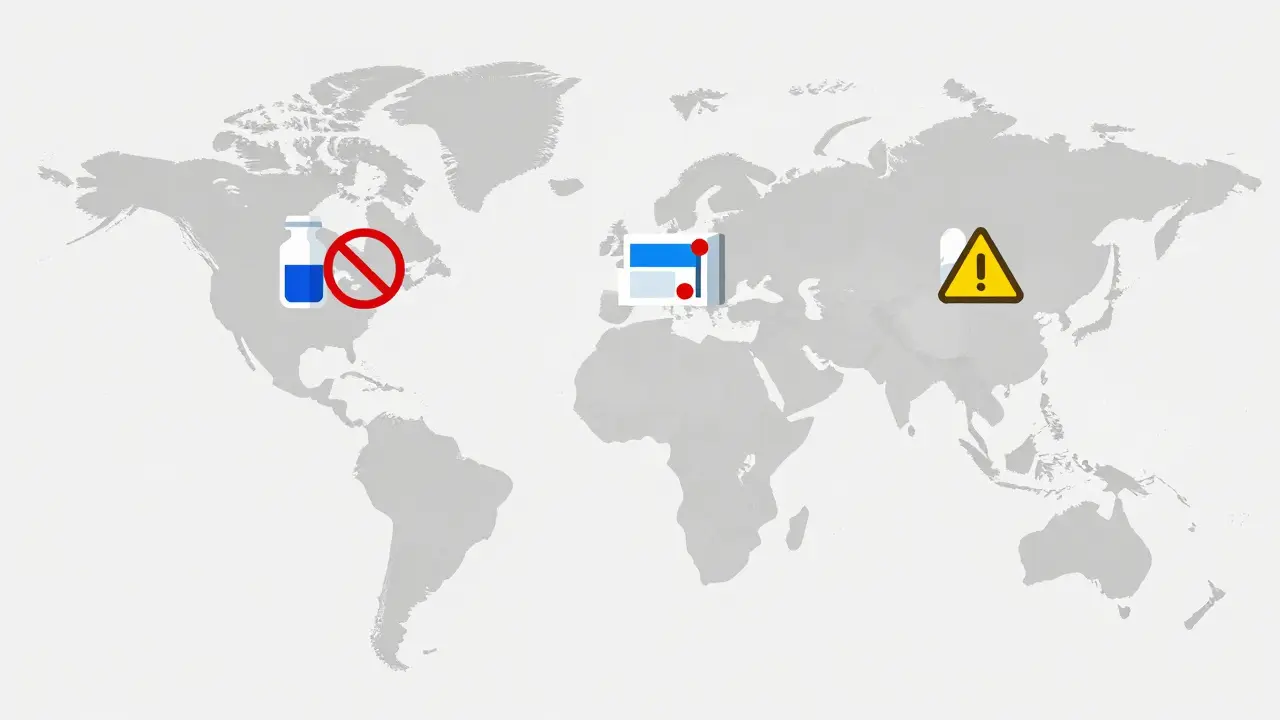
Not all countries are created equal when it comes to border control. While some nations have relaxed rules, others maintain rigorous screening processes. Based on data from the International Narcotics Control Board (INCB) and recent traveler reports, here are the regions where you must exercise extreme caution:
- Japan: Known for its zero-tolerance policy on stimulants. Pseudoephedrine is banned. Amphetamines (including Adderall) require specific documentation known as the "Yakkan Shoumeisho." Even then, supplies are strictly limited to a 3-month maximum.
- United Arab Emirates (UAE): Dubai and Abu Dhabi use advanced spectrometry scanners at airports. Codeine, diazepam (Valium), and methylphenidate (Ritalin) are Class A controlled substances. You must get pre-approval from the Ministry of Health before you even board your flight.
- China: ADHD medications like Concerta and Ritalin are effectively banned without special permits. The enforcement is consistent across all provinces, making it one of the riskiest destinations for neurodivergent travelers.
- Singapore: Famous for strict laws, Singapore prohibits many sedatives and opioids. Even herbal supplements containing cannabis derivatives can trigger severe legal consequences.
- Germany: While part of Europe, Germany enforces its own strict narcotics act. You are generally allowed a 30-day supply for personal use, but anything beyond that requires complex authorization.
It’s also worth noting that the United States has one of the most extensive lists of controlled substances in the world, banning over 560 drugs. However, the danger usually lies in traveling *from* the US *to* stricter jurisdictions, not the other way around.
The Most Commonly Confiscated Medications
If you carry any of the following, you are in the highest risk category. These are the drugs most frequently seized by customs officials worldwide:
| Medication Type | Common Brand Names | Primary Risk Reason | Strict Regions |
|---|---|---|---|
| ADHD Stimulants | Adderall, Ritalin, Concerta | Amphetamine derivatives are illegal in many Asian/Middle Eastern countries | Japan, China, UAE, Saudi Arabia |
| Opioid Painkillers | Vicodin, Norco, Percocet | Contain hydrocodone/codeine; high abuse potential | Japan, UAE, Singapore, Thailand |
| Sedatives/Benzodiazepines | Xanax, Valium, Ativan | Classified as psychotropic substances | UAE, Qatar, Japan, South Korea |
| Decongestants | Sudafed, Vicks inhalers | Pseudoephedrine is a precursor for meth production | Japan, China, South Korea |
| Sleep Aids | Zolpidem (Ambien) | Controlled substance in many jurisdictions | Japan, UAE, Saudi Arabia |
Notice a pattern? Anything that affects your central nervous system-whether it calms you down, speeds you up, or stops your pain-is under scrutiny. Even if you feel fine, the chemical composition of your pill determines your freedom.
How to Prepare: Your Step-by-Step Compliance Plan
Panic doesn’t help. Preparation does. Here is exactly how to protect yourself before you pack your bags.
- Start Early: Begin this process 8 to 12 weeks before your trip. Some government approvals take weeks to process. Don’t wait until you’re at the airport.
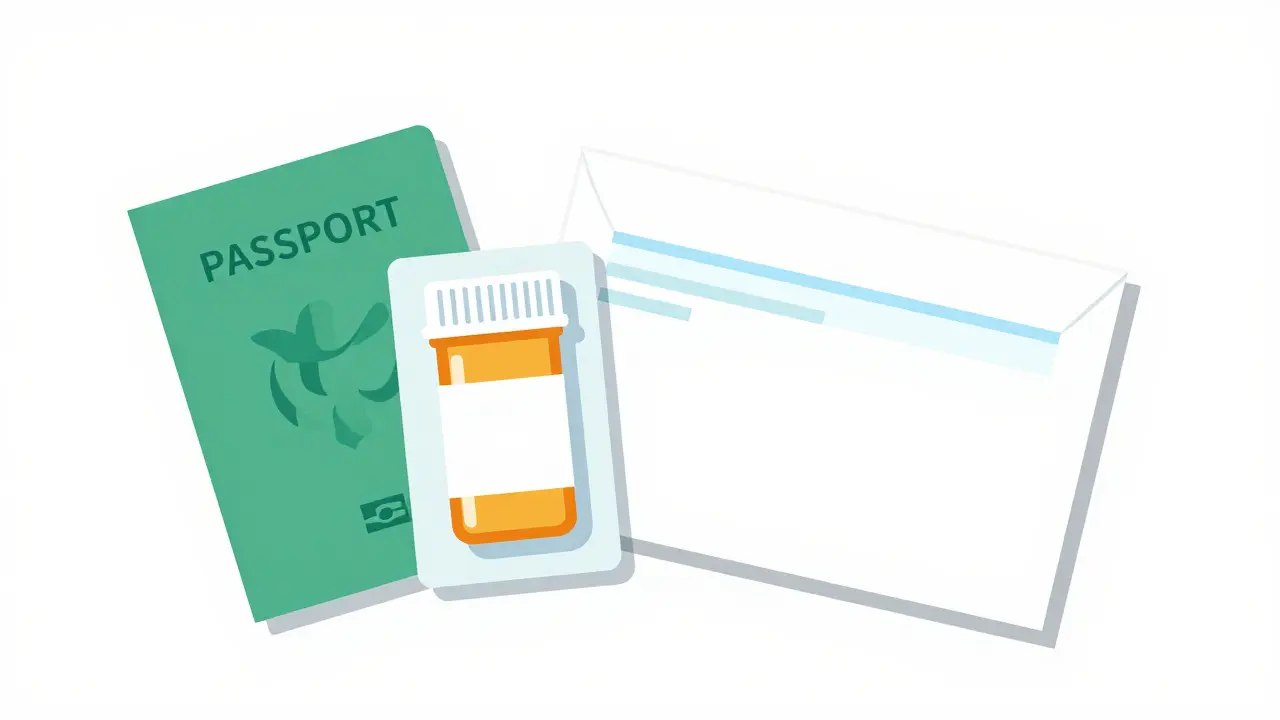
- Contact Your Doctor: Tell them you are traveling internationally. Ask for a letter on official letterhead. This letter must include:
- Your full name and date of birth.
- The doctor’s contact information and license number.
- A clear diagnosis explaining why you need the medication.
- The generic name of the drug (not just the brand).
- The exact dosage and total quantity you will carry.
- Check Country-Specific Rules: Do not rely on general advice. Go to the official embassy website of your destination. Look for sections on "customs," "prohibited items," or "health regulations." For the UAE, use the "Medicines for Patients" portal. For Japan, look up the Yakkan Shoumeisho requirements.
- Keep Original Packaging: Never transfer pills into generic pill organizers or unmarked bottles. Customs officers need to see the pharmacy label matching your prescription. If the label says "John Doe" and your passport says "Jane Smith," you will have problems.
- Carry Copies: Keep one copy of your prescriptions and doctor’s letter in your carry-on luggage, another in your checked bag (just in case), and a digital scan on your phone. Also, leave a copy with a trusted friend at home.
- Get Official Permits: If your destination requires it (like Japan or the UAE), apply for the permit immediately. In Japan, you submit your prescription to the local health bureau, which issues a certificate valid for 30 days. This document is mandatory for entry with controlled substances.
What To Do If You Get Stopped
Despite your best efforts, things can go wrong. Maybe you forgot a form, or an officer misunderstands your medication. If you are stopped at customs:
- Stay Calm: Do not argue. Do not lie. Anger or deception will escalate the situation instantly.
- Show Documentation: Immediately present your passport, prescription, and doctor’s letter. Have them ready in a folder.
- Speak Slowly and Clearly: If there is a language barrier, ask for an English-speaking officer or a translator. Miscommunication is a major cause of incidents.
- Do Not Volunteer Information: Answer only what is asked. Do not offer unsolicited details about your medical history unless requested.
- Request Consular Assistance: If you are detained, you have the right to contact your country’s embassy or consulate. They cannot break you out of jail, but they can ensure you are treated fairly and provide a list of local lawyers.
Remember, ignorance is not a defense. Officers do not care that you "didn’t know." They care about compliance. That’s why doing your homework is the only real protection you have.
Alternatives and Workarounds
If your medication is outright banned and you cannot get a permit, you have options-but they require planning.
Switch Medications: Talk to your doctor about non-controlled alternatives. For example, if you take Adderall, ask if atomoxetine (Strattera) or guanfacine is an option. These are often less restricted globally. For pain, topical treatments or non-opioid analgesics might be safer choices.
Mail Medication Home: If you are traveling long-term, consider having your pharmacy mail refills directly to your hotel or apartment. However, check the destination country’s postal import laws first. Some countries ban importing controlled substances via mail entirely.
Local Prescriptions: In some European countries, you can visit a local doctor upon arrival, show your original prescription, and get a new local prescription. This works well in the Schengen Area but is risky in Asia or the Middle East, where foreign prescriptions may not be recognized.
Travel Insurance: Ensure your policy covers "medication confiscation" or "legal assistance." Standard policies often exclude losses due to violating local laws, so read the fine print. Specialized travel insurance providers now offer add-ons specifically for medical compliance issues.
Frequently Asked Questions
Can I bring my prescription medication in checked luggage?
It is strongly recommended to keep all prescription medications in your carry-on luggage. Checked bags can be lost, delayed, or opened without your presence, leading to theft or tampering. Additionally, temperature fluctuations in cargo holds can degrade certain medicines. Keeping them with you ensures you have access to them during the flight and can present documentation immediately if questioned by security.
Is it safe to buy medication locally while traveling?
Buying medication locally can be risky. Counterfeit drugs are prevalent in many tourist destinations, particularly in Southeast Asia and parts of Latin America. Furthermore, obtaining a prescription from a local doctor may not be straightforward if they do not recognize your condition or previous treatment history. Always consult your home-country physician before attempting to source medication abroad, and verify the legitimacy of any pharmacy you visit.
What if I run out of medication while abroad?
If you run out of medication, contact your doctor immediately via telemedicine. They may be able to send an electronic prescription to a local pharmacy in your destination country, though this depends on local laws. Alternatively, contact your country’s embassy for assistance in locating a reputable clinic. Never borrow medication from other travelers, as dosages and formulations may differ, posing serious health risks.
Do I need a translation of my prescription?
In many countries, yes. Italy, for instance, mandates notarized Italian translations of all prescriptions. Japan accepts English prescriptions but requires the official Yakkan Shoumeisho certificate. When in doubt, have your doctor’s letter translated into the local language by a certified translator. This eliminates ambiguity and shows respect for local regulatory processes, significantly reducing the chance of misunderstanding at customs.
Are over-the-counter meds subject to the same restrictions?
Yes, surprisingly so. As mentioned, pseudoephedrine-containing cold medicines are banned in Japan and China. Some countries also restrict strong antihistamines or sleep aids containing diphenhydramine. Always check the active ingredients of OTC products against your destination’s prohibited list. When possible, purchase basic OTC remedies like pain relievers or allergy meds after you arrive, buying them from licensed pharmacies in your destination country.