Have you ever started a new prescription and felt a sudden wave of nausea or dizziness within hours? You might have brushed it off as stress or just having a bad day. But what if that reaction was your body signaling an adverse drug reaction, also known as a medication side effect? Understanding these reactions is not just about comfort; it’s about safety. Every year, millions of people visit emergency rooms because they didn’t recognize the warning signs of a harmful interaction or an unexpected response to their medication.
We often assume that if a doctor prescribes a pill, it is perfectly safe for us. The reality is more complex. Medications are powerful tools designed to change how our bodies function. While they treat diseases, they can also trigger unintended responses. Knowing the difference between a mild annoyance and a life-threatening emergency can save lives. This guide breaks down what side effects are, which ones are common, and exactly when you need to take action.
Understanding Adverse Drug Reactions
To navigate medication safety, we first need to define what we are dealing with. An adverse drug reaction (ADR) is a noxious and unintended response to a medicine occurring at doses normally used for prophylaxis, diagnosis, or therapy. This definition, established by the World Health Organization in 2023, highlights that these reactions happen even when you take the correct dose of the right medication.
Not all side effects are created equal. Medical professionals classify them into two main categories to help predict and manage risks:
- Type A Reactions (Augmented): These account for 75-80% of all adverse events. They are predictable based on the drug’s pharmacology and are usually dose-dependent. For example, if a blood thinner causes bleeding, increasing the dose will likely increase the bleeding risk. These are often manageable by adjusting the dosage.
- Type B Reactions (Bizarre): These make up 15-20% of cases. They are unpredictable, often immune-mediated, and unrelated to the drug’s primary action. Think of an allergic rash or anaphylaxis. You cannot predict who will get these, and they often require stopping the medication immediately.
The distinction matters because Type A reactions might be fixed by lowering the dose, while Type B reactions usually mean the drug is unsafe for you entirely.
Common Side Effects: What to Expect
If you are starting a new medication, you will likely encounter some minor discomforts. According to data from Harvard Health Publishing and MedStar Health, the most frequent culprits affect the gastrointestinal system, the nervous system, and the skin.
| Body System | Common Symptoms | Typical Medication Classes |
|---|---|---|
| Gastrointestinal | Nausea, constipation, diarrhea, dry mouth, upset stomach | Antibiotics, painkillers (NSAIDs), heartburn meds (e.g., omeprazole) |
| Neurological | Drowsiness, dizziness, headache, fatigue, confusion | Anti-anxiety meds (benzodiazepines), blood pressure meds, antihistamines |
| Dermatological | Rash, itching, hives | Antibiotics, antivirals, certain cancer treatments |
For instance, nearly any oral drug passes through your digestive system, making nausea or an upset stomach a very common complaint. If you are taking metoprolol for blood pressure, you might experience lightheadedness or swelling. If you are using alprazolam for anxiety, drowsiness and confusion are expected outcomes. These symptoms are annoying, but they are rarely dangerous on their own. The key is monitoring whether they improve over time or worsen.
Red Flags: When to Seek Immediate Help
Some side effects are not just uncomfortable; they are emergencies. The FDA defines a serious side effect as one that results in death, is life-threatening, requires hospitalization, causes disability, or leads to birth defects. If you experience any of the following, do not wait for your next scheduled appointment.
- Anaphylaxis: Look for sudden swelling of the lips, tongue, or throat, difficulty breathing, or widespread hives. This is a severe allergic reaction that can kill within minutes.
- Stevens-Johnson Syndrome (SJS) or Toxic Epidermal Necrolysis (TEN): These are rare but devastating skin conditions. Symptoms include a severe, painful rash, skin peeling, fever, and blistering. TEN can cause skin detachment similar to a serious burn and may lead to kidney or lung injury.
- DRESS Syndrome: Drug Reaction with Eosinophilia and Systemic Symptoms involves abnormal blood counts, rash, enlarged lymph nodes, and liver injury. It can affect multiple organs including the heart and kidneys.
- Internal Bleeding or Abnormal Heart Rhythms: Unexplained bruising, vomiting blood, black tarry stools, or palpitations can signal serious internal issues.
- Suicidal Thoughts: Certain medications, particularly some antidepressants and anti-anxiety drugs, can trigger mood changes or suicidal ideation, especially in young adults and the elderly.
Historically, the drug efalizumab (Raptiva) was removed from the market in 2009 after reports of brain infections and meningitis linked to progressive multifocal leukoencephalopathy. This underscores why recognizing early neurological or systemic warnings is critical.
Special Risks for Older Adults
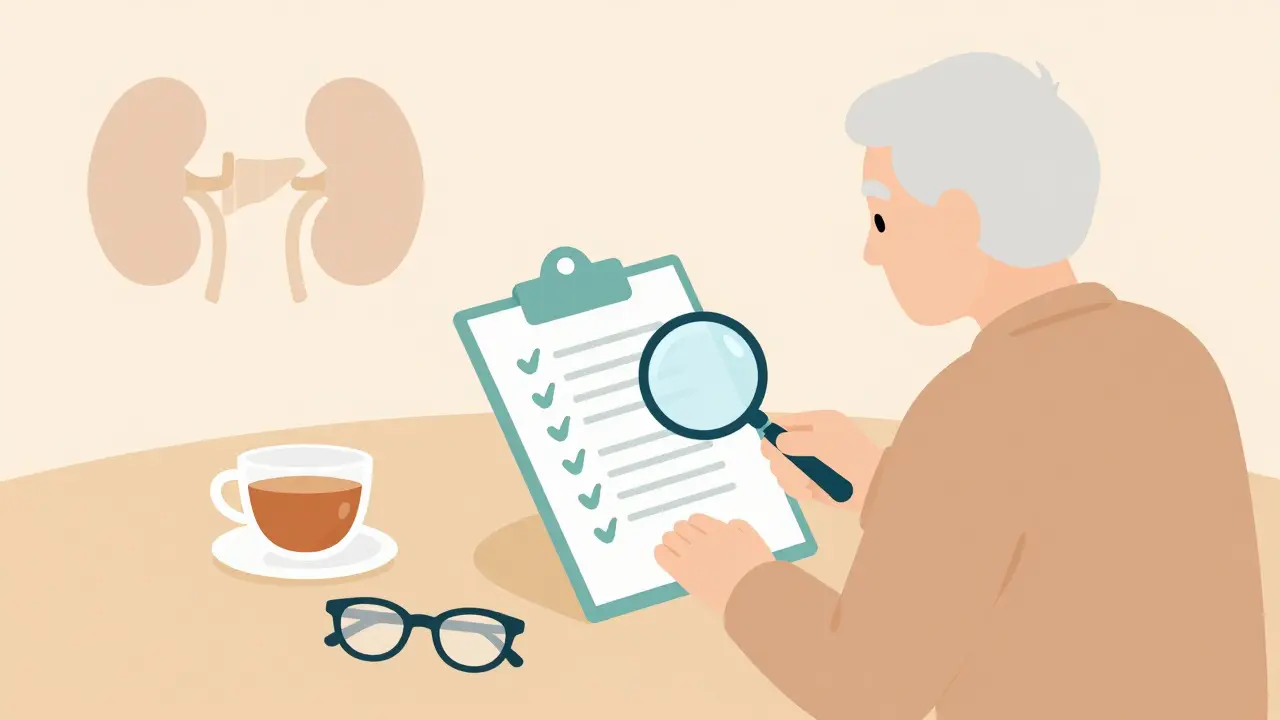
Age plays a massive role in how your body processes medication. According to the 2021 National Ambulatory Medical Care Survey, patients aged 65 and older experience adverse drug reactions at a rate of 17.3 per 1,000 population, compared to just 5.5 per 1,000 for adults aged 45-64.
Why the disparity? It comes down to three factors:
- Polypharmacy: Older adults often take multiple medications for different conditions, increasing the chance of interactions.
- Metabolism Changes: Kidney and liver function naturally decline with age, meaning drugs stay in the system longer and at higher concentrations.
- Fall Risk: Medications like benzodiazepines (e.g., Xanax, Ativan) and strong painkillers can cause dizziness and confusion. In seniors, this significantly increases the risk of falls, delirium, and fractures.
If you are caring for an elderly parent or grandparent, review their medication list regularly. Ask their doctor if any drugs can be reduced or stopped. Even common over-the-counter drugs like diphenhydramine (Benadryl) can cause severe drowsiness and dry mouth due to acetylcholine blockade, which is particularly risky for seniors.
Drug Interactions: The Hidden Danger
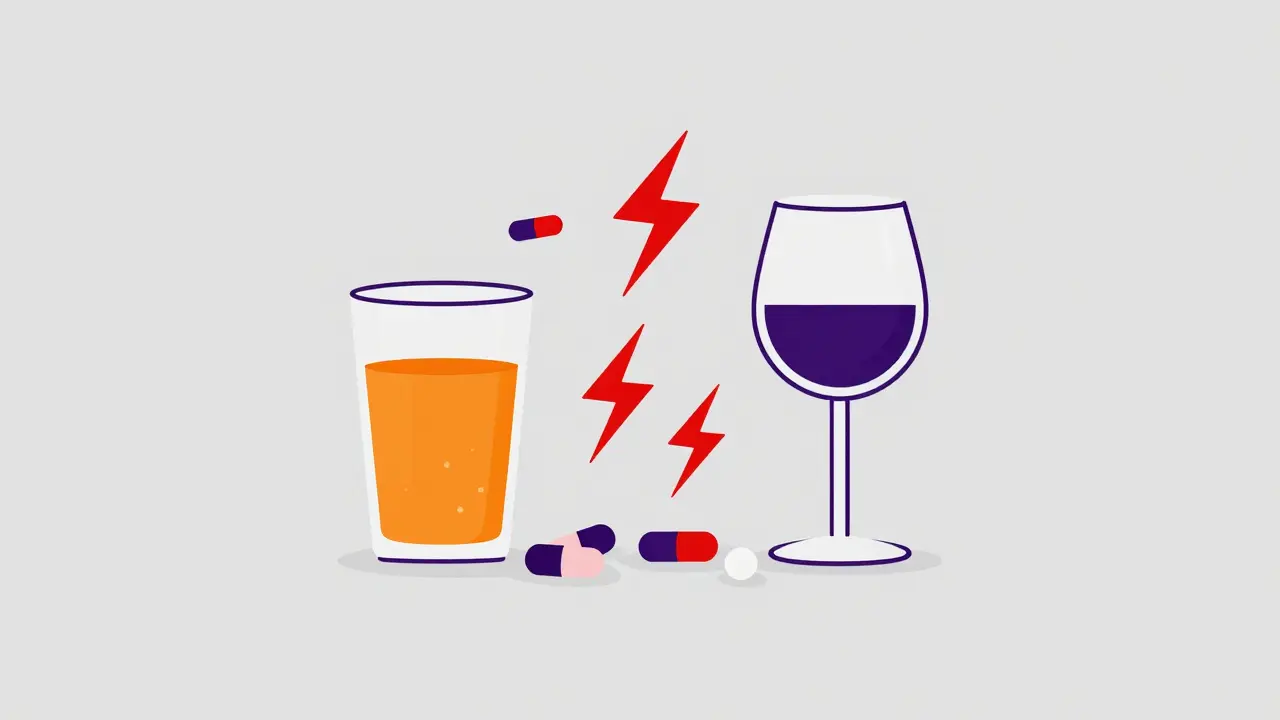
A medication might be safe on its own but dangerous when mixed with other substances. WebMD notes that side effects often emerge only when a drug interacts with alcohol, food, or other prescriptions.
Two classic examples highlight this risk:
- Alcohol and Narcotics: Mixing alcohol with opioid painkillers depresses the central nervous system further, leading to accidental overdose and respiratory failure. This combination has been responsible for countless deaths.
- Grapefruit Juice: This fruit contains compounds that inhibit enzymes in the gut that break down many drugs. Drinking grapefruit juice with certain blood pressure or cholesterol medications can cause drug levels to spike to toxic amounts in the blood.
Always disclose every supplement, vitamin, and herbal remedy you take to your pharmacist. Natural does not always mean harmless.
How to Report Side Effects
Reporting adverse reactions is crucial for public health. It helps regulatory agencies identify patterns that clinical trials might have missed. Despite this, studies suggest less than 5% of all adverse drug reactions are formally reported.
In the United States, the primary channel is the FDA MedWatch program. Healthcare professionals are legally required to report certain serious reactions, but patients and caregivers can also submit reports voluntarily. The FDA reviewed 1.8 million adverse event reports in 2023 alone. High-reporting categories included immunomodulatory drugs and anticoagulants.
If you are outside the US, similar systems exist:
- United Kingdom: The Yellow Card Scheme via the NHS.
- Europe: EudraVigilance operated by the European Medicines Agency.
You don’t need to be a medical expert to report. Simply describe what happened, when it started, and what medications were involved. Your report could prevent someone else from suffering the same fate.
Practical Steps for Medication Safety
So, how do you protect yourself? Here is a simple checklist to keep your medication routine safe:
- Read the Insert: The patient information leaflet lists common and serious side effects. Know them before you start.
- Start Low, Go Slow: If possible, ask your doctor about starting with a lower dose to see how your body reacts.
- Monitor Closely: Keep a symptom diary for the first two weeks of a new medication. Note any changes in mood, energy, digestion, or sleep.
- Consult Before Combining: Never add a new over-the-counter drug without checking for interactions with your current prescriptions.
- Report Issues: If a side effect is bothersome, persistent, or severe, contact your healthcare provider immediately. Do not stop essential medications abruptly without medical advice, as this can also cause withdrawal symptoms.
Medication side effects are a reality of modern healthcare, but they are manageable. By understanding the types of reactions, recognizing red flags, and actively participating in your care, you turn passive consumption into active safety. Your vigilance saves lives.
What is the difference between a side effect and an adverse drug reaction?
While often used interchangeably, a "side effect" is a broader term for any secondary effect of a drug, which can be neutral or even beneficial. An "adverse drug reaction" (ADR) specifically refers to a harmful, unintended response at normal therapeutic doses. All ADRs are side effects, but not all side effects are adverse reactions.
How long should I wait to see if side effects go away?
Mild side effects like nausea or drowsiness often improve within a few days to two weeks as your body adjusts. However, if symptoms persist beyond two weeks, worsen, or interfere with daily life, contact your doctor. Serious symptoms like rash, swelling, or difficulty breathing require immediate attention.
Can I stop my medication if I experience side effects?
Do not stop essential medications abruptly without consulting your healthcare provider. Suddenly stopping drugs like blood pressure meds, antidepressants, or steroids can cause dangerous withdrawal symptoms or rebound effects. Your doctor can help taper the dose or switch to an alternative.
Why are older adults more prone to medication side effects?
Older adults face higher risks due to polypharmacy (taking multiple drugs), decreased kidney and liver function which slows drug metabolism, and increased sensitivity to certain classes of drugs like sedatives. This leads to higher rates of falls, confusion, and toxicity.
How do I report a medication side effect to the FDA?
You can report side effects through the FDA MedWatch program online or by mail. Provide details about the medication, the reaction experienced, and the timeline. Healthcare providers can also submit reports on your behalf. Reporting helps identify safety issues that weren't detected during clinical trials.