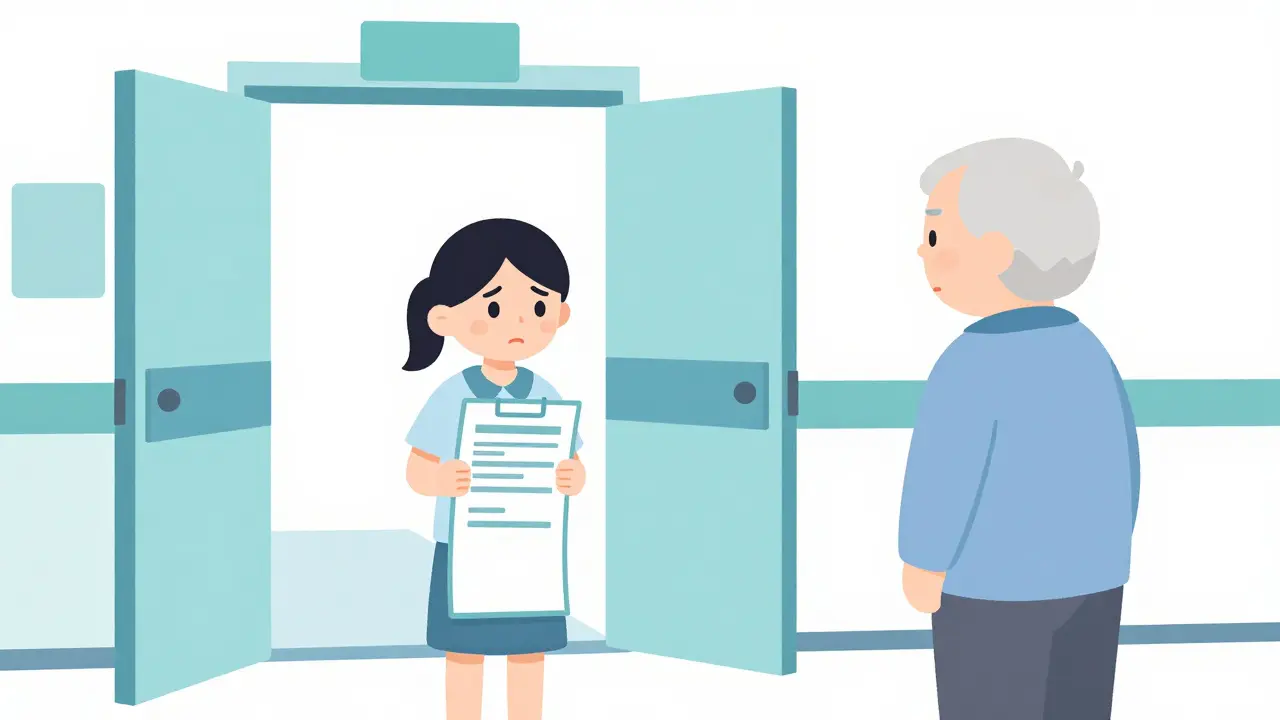
Going home after a hospital stay should be a relief, but for many seniors and their families, it's the start of a stressful guessing game. The transition from a controlled hospital environment to a home setting is where things often go wrong. In fact, research published in the Journal of General Internal Medicine shows that 1 in 5 patients experience a medication error within just three weeks of leaving the hospital. When you're dealing with complex senior medications, a simple misunderstanding about a dosage or a missed pill isn't just a mistake-it can be a medical emergency.
The goal is to bridge the gap between what the hospital doctor ordered and what actually happens in the medicine cabinet at home. This process isn't just about getting a list of drugs; it's about ensuring the right pill is taken at the right time for the right reason. By taking a proactive approach, you can significantly lower the risk of a 30-day readmission, which costs the healthcare system billions and, more importantly, puts the patient's health at risk.
The Gold Standard: Medication Reconciliation
If you hear a healthcare provider talk about Medication Reconciliation is the formal process of comparing a patient's current medication orders against every drug they were taking before they entered the hospital. It is the single most effective way to stop errors before they happen.
This isn't a quick glance at a chart. A high-performing reconciliation process involves five distinct steps. First, verification involves gathering the most accurate history of every drug the senior takes. Next is clarification, where the provider ensures the doses and reasons for the meds are correct. Then comes the actual reconciliation, where the pre-admission list is compared to the discharge list. The fourth step is communication, ensuring the primary care doctor knows exactly what changed. Finally, there is education, where the patient and family are taught how to manage the new regimen.
For the best results, this shouldn't happen just once. Experts recommend reconciliation at three touchpoints: within two hours of admission, whenever the patient moves between hospital units, and immediately before they walk out the door at discharge.
Identifying High-Risk Medications
Not all medications carry the same level of risk. Some drugs have a "narrow therapeutic index," meaning a tiny change in dose can lead to toxicity or treatment failure. When reviewing the discharge list, pay extra attention to these specific classes:
- Anticoagulants (such as Warfarin or DOACs): These thin the blood and can cause dangerous bleeding if the dose is too high or clots if too low.
- Insulin: Blood sugar levels can swing wildly with small dosing errors, leading to hypoglycemia.
- Opioids: High risk for respiratory depression and dependency, especially in the elderly.
- Antiplatelet agents: Similar to anticoagulants, these require strict adherence to prevent strokes or heart attacks.
It is also vital to include over-the-counter (OTC) meds and herbal supplements in the review. Many seniors take supplements that can interact dangerously with prescription drugs, yet these are often left off the formal hospital list.
| Model | Primary Method | Key Benefit | Main Trade-off |
|---|---|---|---|
| Coleman Model | Transition Coach | 38% reduction in readmissions | High staffing needs |
| SafeMed Model | Pharmacist-led team | 67% fewer drug discrepancies | Requires primary care integration |
| Project BOOST | Standardized EMR process | Systematic, scalable approach | High initial IT cost |

The Role of the Pharmacist in the Transition
Many people view the pharmacist as the person who puts pills in a bottle, but in a hospital transition, they are the safety net. Research from the American Society of Health-System Pharmacists (ASHP) suggests that pharmacist-led interventions are the most effective way to prevent errors. A pharmacist doesn't just check if the drug is correct; they check if the drug makes sense for that specific patient's kidney function or age.
For example, if a senior has renal impairment, a standard dose of certain medications could be toxic. A pharmacist can catch this discrepancy and adjust the dose before the patient even leaves the building. According to the SafeMed study, having a pharmacist involved in discharge planning reduces medication discrepancies by a staggering 67%.
Practical Tools for Families: The "Brown Bag" and "Teach-Back"
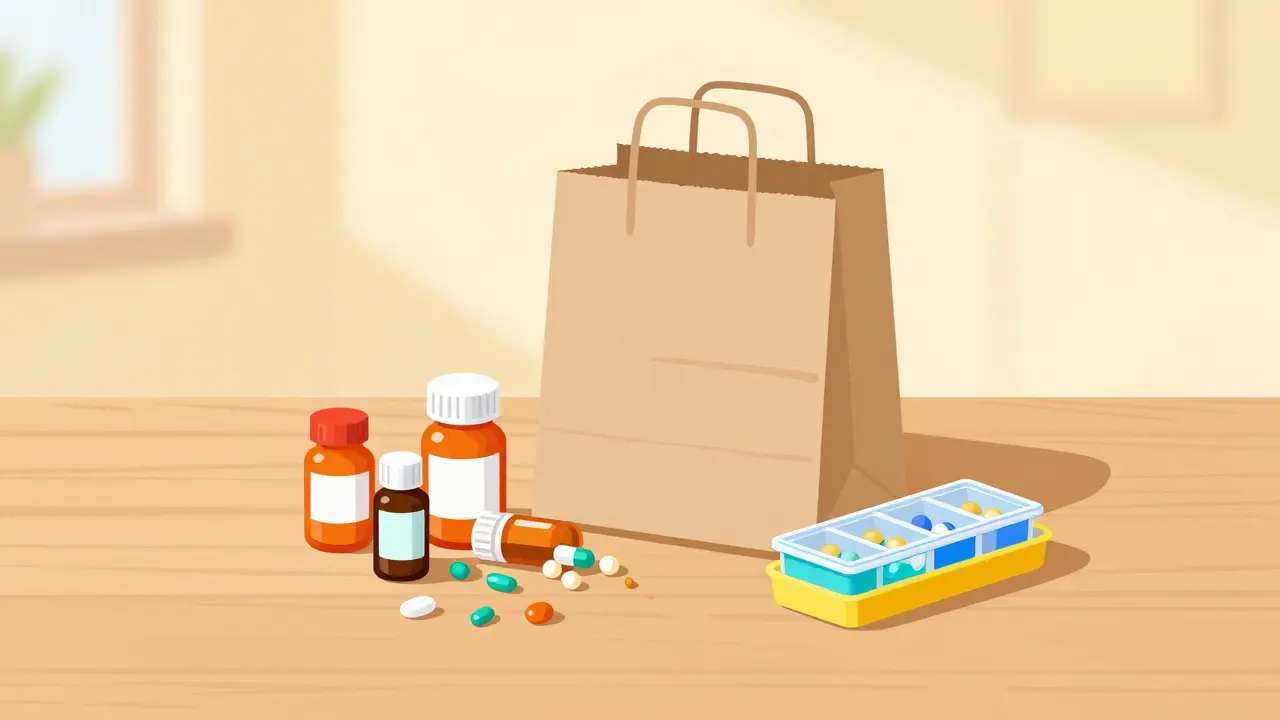
You don't need a medical degree to protect your loved one; you just need a system. One of the most reliable methods is the Brown Bag Medication Review. This is exactly what it sounds like: put every single bottle, cream, and supplement the senior is taking into a bag and bring it to the discharge appointment. This prevents the "I think I take a little white pill for my heart" scenario, which is where many errors start.
Once the doctor explains the new plan, use the Teach-Back Method. Instead of asking "Do you understand?" (to which most people instinctively say "Yes"), ask them to explain it back to you. Say, "Just to make sure I've got this straight, can you tell me how you're going to take this new blood pressure medicine tomorrow morning?" This technique has been shown to improve medication adherence by 32% because it exposes gaps in understanding immediately.
Managing the First 14 Days at Home
The danger doesn't end when you pull out of the hospital parking lot. The first two weeks are the highest risk period. For high-risk patients-those with heart failure, COPD, or those taking five or more medications (polypharmacy)-a follow-up appointment should happen within 7 days. For moderate-risk patients, 14 days is the limit.
If the senior is using home health services, ensure the provider conducts their own medication reconciliation within 24 hours of arriving at the home. This is a critical double-check. For those on Warfarin, an INR blood test should typically be performed within 72 hours of discharge to ensure the dosage is safe and effective.
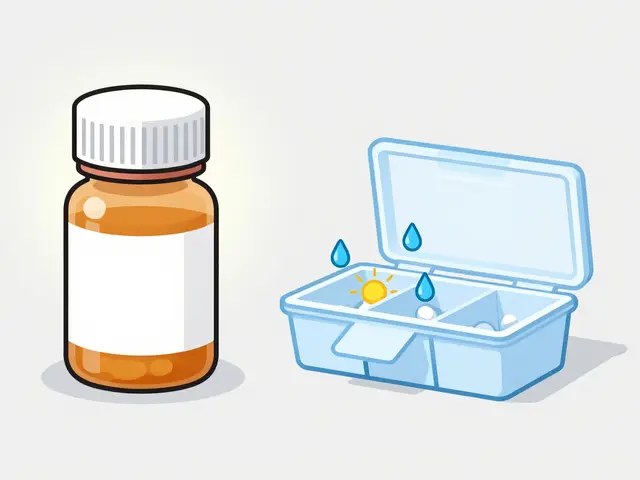
In today's world, technology can be a huge help. Visual medication schedules or mobile apps that provide alerts can reduce errors by up to 41% in elderly patients. Even a simple pill organizer, filled by a pharmacist, is far superior to relying on the original pharmacy bottles.
What is the most common cause of medication errors after discharge?
The most common cause is a lack of communication between the hospital and the primary care provider, leading to "medication discrepancies." This happens when a patient continues taking a medication that the hospital doctor intended to stop, or fails to start a new medication that was prescribed during the stay.
How do I know if my loved one is "high-risk" for medication errors?
High-risk markers include polypharmacy (taking 5 or more medications), a history of cognitive impairment or dementia, renal (kidney) issues, and chronic conditions like heart failure or COPD. Patients taking anticoagulants or insulin are also automatically considered high-risk.
Should I keep taking the meds I had before the hospital stay?
Never assume. You must compare your pre-hospital list with the discharge summary. It is common for doctors to change dosages or discontinue certain drugs during a hospital stay. Always verify the final list with a pharmacist or doctor before the first home dose.
What is the "Teach-Back" method and why does it work?
The Teach-Back method asks the patient to explain the medication instructions in their own words. It works because it shifts the burden of clarity from the patient to the provider; if the patient cannot explain it, it proves the instruction wasn't clear enough, allowing the provider to re-explain it until it's understood.
How often should a follow-up appointment happen after hospital discharge?
For high-risk patients, a follow-up within 7 days is the clinical standard to catch errors early. For those with lower risk, a follow-up within 14 days is generally recommended. These visits are crucial for adjusting dosages based on how the patient is reacting in a real-world home environment.
Next Steps for a Safe Transition
If you are preparing for a discharge today, start by creating a master list of every drug and supplement your loved one takes. When you get to the hospital, ask the nurse or doctor specifically, "Who is the pharmacist handling the medication reconciliation for this discharge?"
If you notice a discrepancy-like a dose that seems too high or a missing pill-don't hesitate to speak up. Use the SBAR (Situation, Background, Assessment, Recommendation) approach: "The situation is that the discharge list says 10mg, but the home bottle is 5mg. The background is that the patient has always taken 5mg. My assessment is that this might be an error. I recommend we verify the dose before leaving." Being a vocal advocate is the best way to ensure a safe return to home care.