
Tacrolimus Neurotoxicity Risk & Symptom Checker
Patient Profile
Analysis Result
Enter your details and click Assess Risk to see analysis.
Emergency Symptom Check
Do you have any of these severe symptoms right now?
Imagine your hand shaking so violently you can’t hold a coffee cup. Or suffering a headache that feels like it’s splitting your skull, no matter how many painkillers you take. For thousands of transplant recipients, this isn’t a hypothetical nightmare-it’s their daily reality while taking tacrolimus, a critical immunosuppressant drug. While this medication is the gold standard for preventing organ rejection, it comes with a heavy price tag in neurological side effects known as tacrolimus neurotoxicity. Understanding these symptoms, recognizing when they are dangerous, and knowing what blood levels actually mean is essential for anyone navigating post-transplant life.
Why Tacrolimus Causes Brain Symptoms
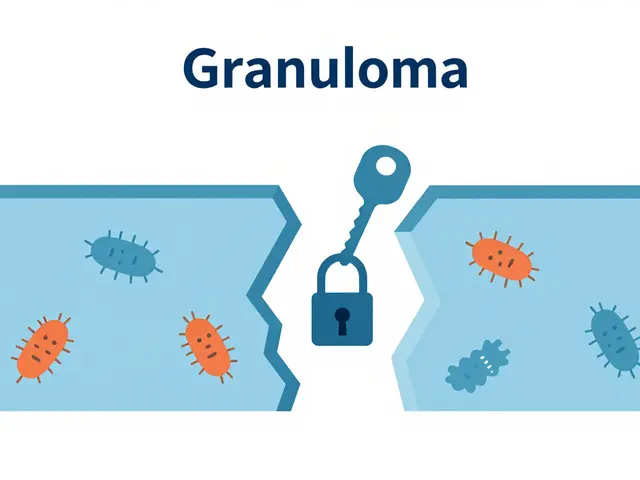
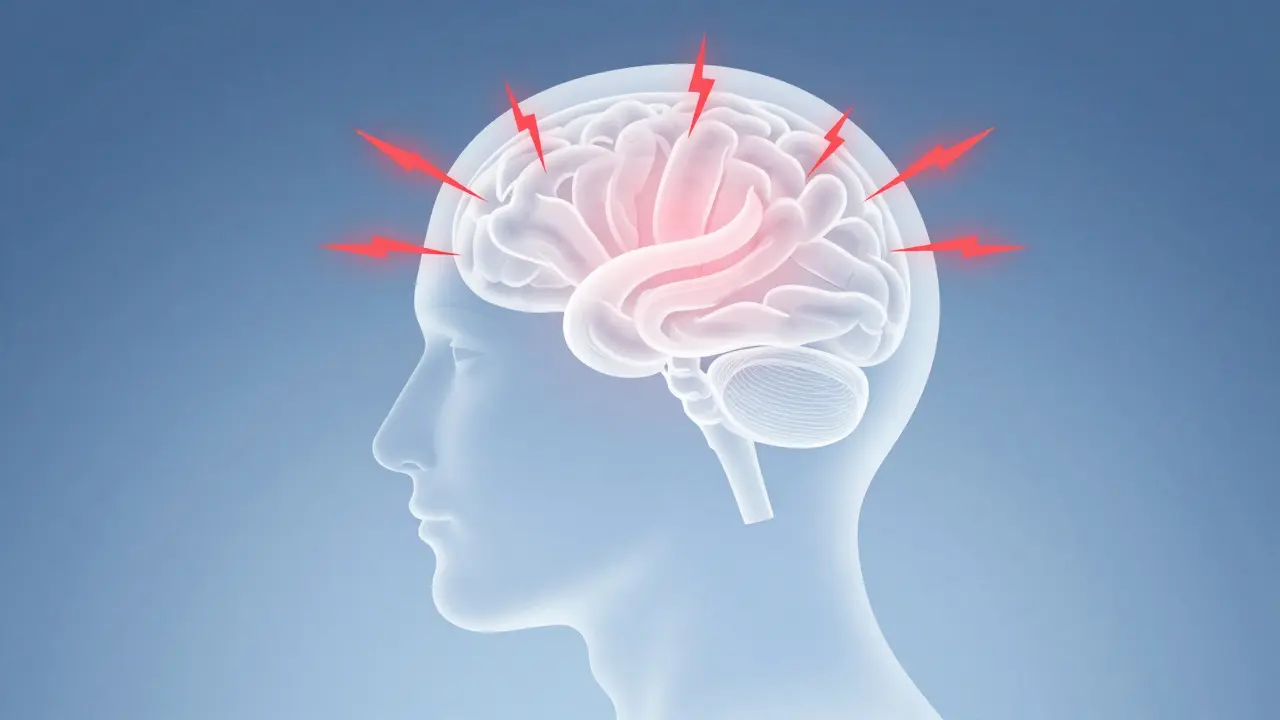
Tacrolimus belongs to a class of drugs called calcineurin inhibitors. It works by stopping your immune system from attacking your new organ. However, it doesn’t just stay in your blood; it crosses the blood-brain barrier. Once inside the central nervous system, it can irritate nerve cells and disrupt normal brain function. This isn’t a defect in the drug itself-tacrolimus is incredibly effective at saving organs-but rather a side effect of its mechanism. About 20% to 40% of all transplant patients will experience some form of neurotoxicity. The good news? Most cases are manageable if caught early.
The risk isn’t random. Liver transplant recipients face the highest risk (around 35%), followed by kidney (22%), lung (19%), and heart transplants (15%). If you’ve had a liver or kidney transplant, you need to be extra vigilant about neurological changes.
Common Symptoms: Tremor and Headache
Not all neurotoxicity looks the same. Some people feel slightly off, while others suffer debilitating symptoms. Here are the two most common complaints:
- Tremor: This is the number one symptom, affecting 65-75% of those with neurotoxicity. It usually starts in the hands-a fine shaking that worsens when you try to do precise tasks like writing or buttoning a shirt. For some, it progresses to involve the legs or head.
- Headache: Occurring in 45-55% of affected patients, these headaches are often described as constant, crushing, or throbbing. Unlike typical tension headaches, they may not respond well to standard over-the-counter pain relievers.
Other frequent issues include insomnia, tingling sensations (paresthesia), and fatigue. If you’re experiencing these, don’t brush them off as “just stress” or “normal recovery.” They are likely side effects of your medication.
Blood Level Targets: The Myth of the "Safe" Range
This is where things get tricky. You might think that if your tacrolimus blood level is within the target range, you’re safe from side effects. Unfortunately, that’s not always true.
| Transplant Type | Target Blood Level (ng/ml) | Note on Neurotoxicity Risk |
|---|---|---|
| Kidney | 5 - 15 ng/ml | Higher end increases risk significantly |
| Liver | 5 - 10 ng/ml | High baseline risk even at low levels |
| Heart | 5 - 10 ng/ml | Moderate risk |
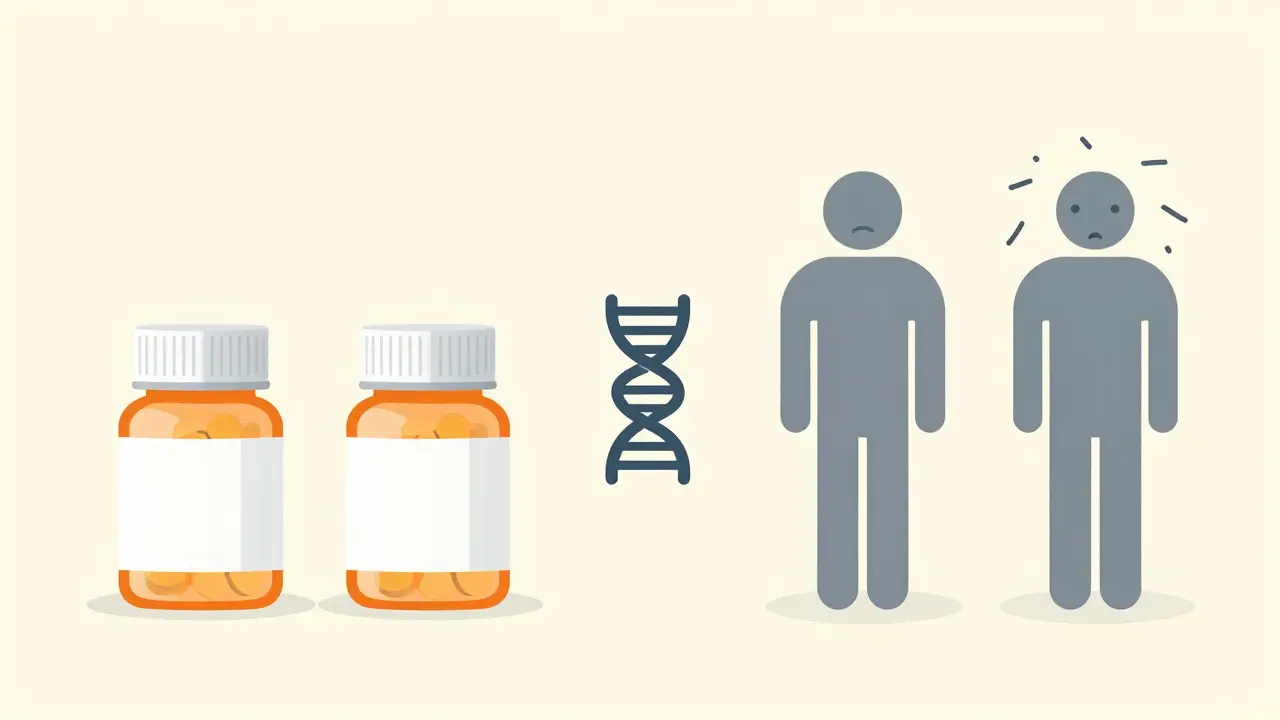
While high levels (>15 ng/ml) definitely increase the chance of toxicity, studies show that neurotoxicity can occur even when levels are perfectly therapeutic (e.g., 6-8 ng/ml). In fact, one study found that individual susceptibility plays a bigger role than the dose alone. Genetics matter here. Patients with certain variations in the CYP3A5 gene metabolize tacrolimus differently, leading to higher concentrations in the brain despite normal blood readings. This is why two people can have the exact same blood level, but only one suffers from severe tremors.
When It Becomes an Emergency
Most neurotoxicity is annoying but not life-threatening. However, there are rare but serious conditions that require immediate hospital care. Watch out for these red flags:
- Posterior Reversible Encephalopathy Syndrome (PRES): Affects 1-3% of patients. Symptoms include sudden confusion, seizures, vision loss, or severe headache. It requires urgent MRI and treatment.
- Delirium or Agitation: Sudden changes in mental status, hallucinations, or extreme anxiety.
- Speech Arrest or Weakness: Difficulty speaking, slurred speech, or sudden weakness on one side of the body.
If you experience any of these, call emergency services immediately. Do not wait for your next doctor’s appointment.
Managing Symptoms: Practical Steps
If you’re dealing with tremors or headaches, you have options. Don’t just suffer through it. Here is how clinicians typically manage tacrolimus neurotoxicity:
- Dose Reduction: In mild cases, lowering the tacrolimus dose slightly can reduce symptoms without increasing rejection risk. One patient reported complete resolution of tremors within 72 hours after a small dose cut.
- Switching Medications: If symptoms are severe, doctors may switch you to cyclosporine. Cyclosporine has a lower risk of neurotoxicity (15-20% less) but a slightly higher risk of organ rejection. It’s a trade-off your team must weigh carefully.
- Correcting Electrolytes: Low magnesium or sodium levels can worsen neurotoxicity. Ensuring your electrolytes are balanced can sometimes resolve mild symptoms without changing your main medication.
- Avoiding Interactions: Certain antibiotics (like carbapenems) and antifungals interact with tacrolimus, spiking your levels. Always tell every doctor you see that you are on tacrolimus.
What You Can Do Today
Keep a symptom diary. Note when your tremors are worst, how bad your headaches are, and your current tacrolimus levels. Bring this to your next appointment. Ask your doctor about CYP3A5 genetic testing-it could explain why you’re more sensitive to the drug. Remember, you are the expert on your own body. If something feels wrong, speak up. Your quality of life matters just as much as keeping your organ healthy.
How long does tacrolimus tremor last?
Tremors can persist as long as you are on the medication, especially if levels remain high. However, reducing the dose or switching to cyclosporine often leads to improvement within 3 to 7 days. In some cases, tremors become chronic but manageable with lifestyle adjustments.
Can tacrolimus cause permanent brain damage?
In most cases, neurotoxicity is reversible once the drug is adjusted. However, severe complications like PRES or prolonged untreated high levels can potentially lead to lasting issues. Early intervention is key to preventing permanent damage.
Is cyclosporine safer than tacrolimus for the brain?
Yes, cyclosporine generally has a lower incidence of neurotoxicity compared to tacrolimus. However, it carries a higher risk of organ rejection and other side effects like gum overgrowth. The choice depends on your specific health profile and transplant type.
What foods should I avoid while on tacrolimus?
Avoid grapefruit and Seville oranges, as they inhibit the enzyme that breaks down tacrolimus, causing levels to spike dangerously. Also, maintain consistent potassium intake unless advised otherwise, as fluctuations can affect electrolyte balance.
Does magnesium help with tacrolimus side effects?
Tacrolimus can deplete magnesium levels, and low magnesium can worsen tremors and muscle cramps. Supplementing with magnesium under your doctor’s guidance may help alleviate some neurological symptoms and support overall stability.