Telehealth Medication Review Readiness Calculator
Check off the items below as you prepare for your appointment. Based on research, proper physical and technical preparation can increase review accuracy by over 37%.
💊Physical Preparation
Gather All Containers
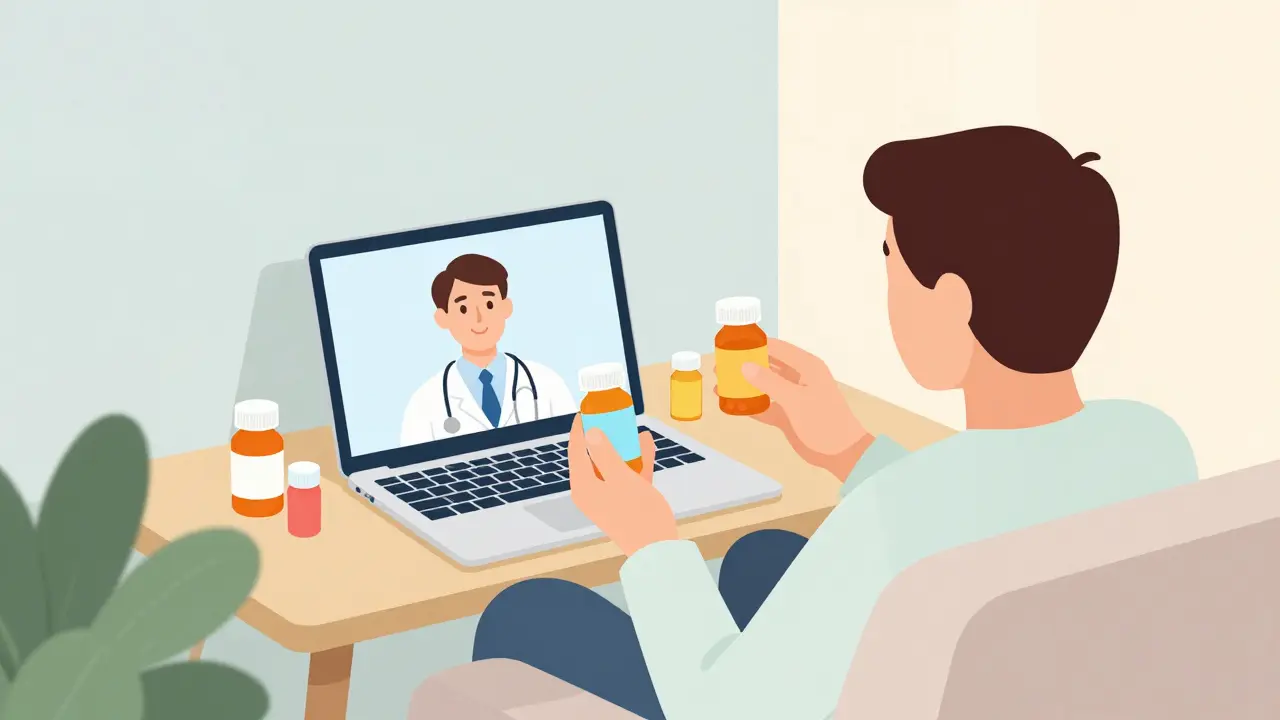
Have every prescription, OTC med, and supplement bottle physically in front of you (including expired ones).
Inventory Supplements & Diet
List herbal supplements (like St. John's Wort) or dietary changes that might interact with meds.
💻Technical Environment
Stable Internet & Lighting
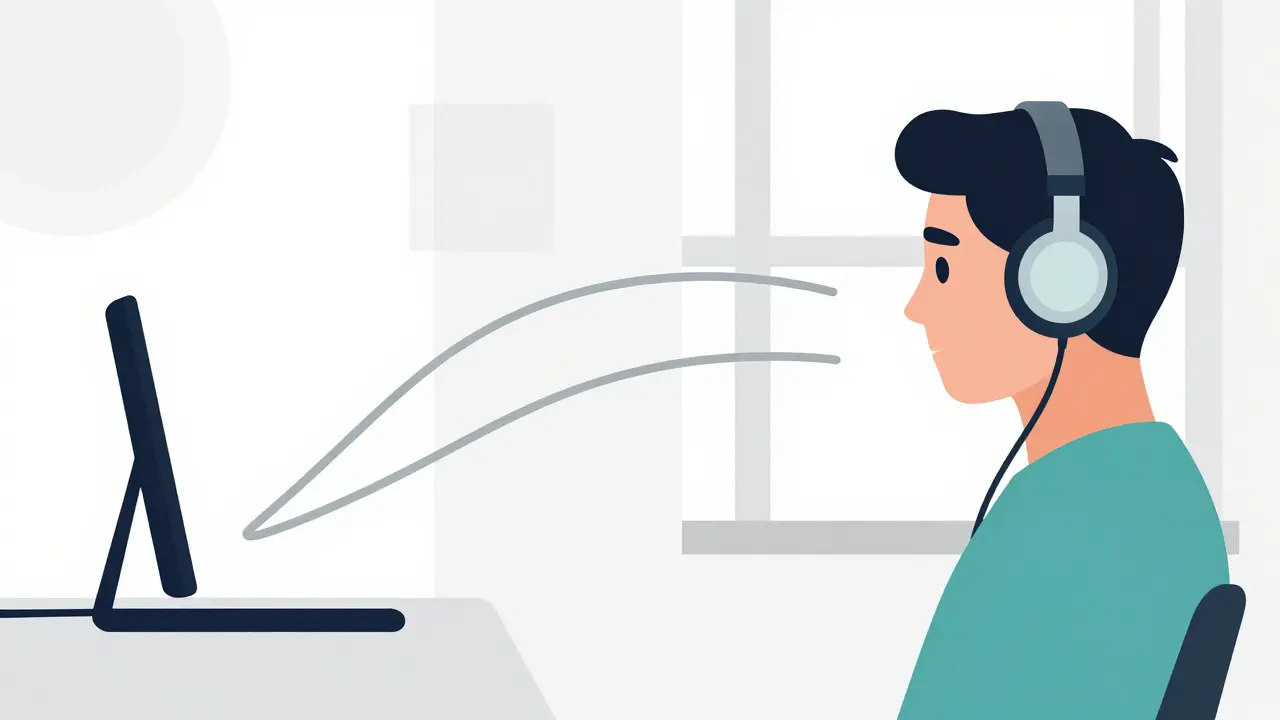
Test speed (>1.5 Mbps), ensure face is well-lit (not backlit), and use headphones/mic if possible.
Backup Plan Ready
Have phone number for provider ready in case video fails; have cellular data available as backup.
📝Mental Preparation
Questions Prepared
Write down questions about side effects, missed doses, and how recommendations will be shared with your doctor.
Readiness Score
Patients who physically show their bottles to the camera improve review accuracy by 37.4%.
Imagine sitting in your living room, video call open, ready to talk about the pills that keep you healthy. It sounds convenient until the connection drops, or worse, you realize you forgot a crucial bottle on the kitchen counter. This is the reality of telehealth medication reviews, a service that has become standard care for millions since the pandemic accelerated its adoption. While these virtual consultations save time and reduce travel, they require more preparation than a quick phone call. If you walk into this meeting unprepared, you risk missing dangerous interactions or leaving with a confused understanding of your dosage. The goal here isn't just to check boxes; it's to build a robust safety plan that prevents adverse drug events before they happen.
Why Your Preparation Changes the Outcome
You might think showing up on time is enough, but data suggests otherwise. A study published in the Journal of Telemedicine and Telecare found that patients who physically gathered all their medications-prescription, over-the-counter, and supplements-for display during the video consultation saw a 37.4% increase in review accuracy. Why such a big difference? Because memory is fallible. We forget the ibuprofen we took last Tuesday or the vitamin D we started three months ago. When you hold those bottles up to the camera, you give the pharmacist or doctor concrete evidence rather than relying on your recall.
This visual verification is critical because inaccurate medication histories are responsible for 43.2% of medication errors, according to the Institute for Safe Medication Practices (ISMP) 2022 data. By preparing a physical inventory, you shift the burden from your memory to the provider’s expertise. You aren’t just listing drugs; you’re inviting them to spot discrepancies between what you have and what your pharmacy records say.
- Gather every container: Include expired meds you haven’t thrown away yet, as they might still be in your system or causing confusion.
- Include non-prescription items: Herbal supplements, antacids, and sleep aids interact with prescription drugs just as potently.
- Check expiration dates: Note any meds that are close to expiring so your provider can decide if a refill is urgent or if you should stop taking them.
Setting Up Your Virtual Environment
Technology failures are the number one complaint in negative patient reviews, accounting for nearly half of all dissatisfaction. To avoid the frustration of a frozen screen while discussing serious health issues, treat your tech setup like part of your medical equipment. You don’t need a Hollywood studio, but you do need stability. Ensure you have a stable broadband internet connection with at least 1.5 Mbps upload and download speed. Test this before your appointment by running a speed test on your device.
Lighting and audio matter more than you’d expect. Position yourself so that natural light hits your face, not your back, ensuring the provider can see your expressions clearly. Use headphones with a microphone if possible; this reduces echo and background noise, allowing for clearer communication. If you are using a platform like Doxy.me or Zoom for Healthcare, make sure the software is updated to the latest version to ensure HIPAA compliance and smooth performance.
If you are elderly or less tech-savvy, consider asking a family member or friend to help set up the call five minutes early. A survey by the National Council on Aging found that seniors felt significantly more comfortable with telehealth after receiving pre-appointment technology training. Don’t let anxiety about the tool overshadow the importance of the conversation.
The Core Questions You Must Ask
Many patients sit silently while the provider talks, nodding along without fully engaging. This is a missed opportunity. To create an effective safety plan, you need to ask specific questions that uncover gaps in care. Here are the most critical questions to pose during your review:
- "How will you verify my medication list against pharmacy records?" This is vital because manual entry errors are common. Ensure they are cross-referencing your home inventory with digital prescriptions.
- "What is your process for communicating recommendations to my primary care provider?" Only 62.8% of telehealth services have standardized referral protocols. If your pharmacist suggests stopping a drug, your doctor needs to know immediately to adjust your treatment plan.
- "How will you monitor for side effects between appointments?" Virtual models carry a 28.6% higher risk of undetected adverse effects if there is no follow-up mechanism. Ask if they use text messages, apps, or scheduled check-ins to track how you feel after changes.
- "Are there any interactions with my current supplements or diet?" Many people assume vitamins are harmless, but St. John’s Wort, for example, can severely interfere with antidepressants and birth control.
These questions force the provider to outline the logistics of your care, ensuring that the review doesn’t end when the video call cuts off.
Building Your Personal Safety Plan
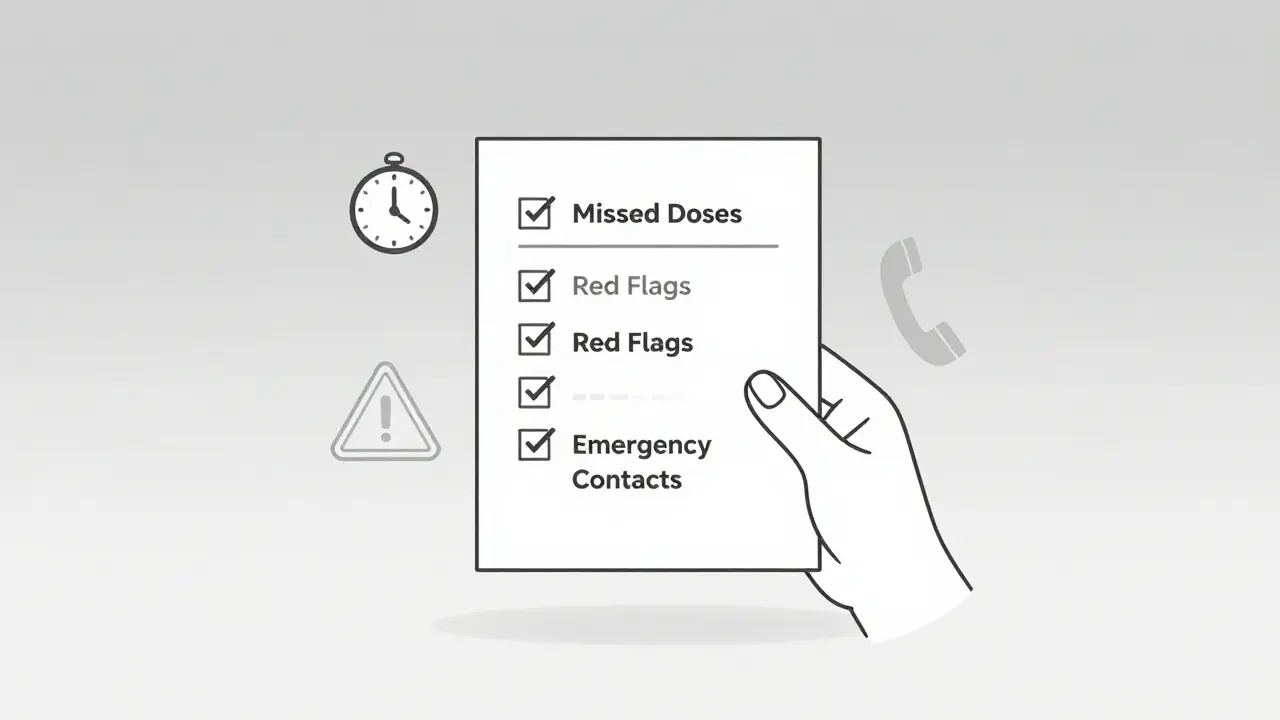
A safety plan in the context of medication management is a documented strategy to prevent errors and manage risks. It goes beyond just knowing what pills to take. It involves understanding when to take them, what to do if you miss a dose, and who to call if you experience unexpected symptoms. During your telehealth review, explicitly ask your provider to help you draft this plan.
Your safety plan should include:
- Clear instructions for missed doses: Should you double up? Skip it entirely? Write this down exactly as the provider says.
- Red flag symptoms: List specific side effects that require immediate medical attention versus those that are normal and temporary.
- Emergency contacts: Who do you call if you suspect an allergic reaction after hours? Is it the on-call pharmacist or the ER?
- Storage guidelines: Some medications require refrigeration or protection from light. Confirm these details, especially if you live in a hot climate or have power fluctuations.
Having this written plan reduces cognitive load. When you’re sick or stressed, you don’t want to be guessing whether you took your morning pill. You want a clear, accessible document that guides you.
When Telehealth Isn’t Enough
While telehealth medication reviews achieve 92.4% of the clinical effectiveness of in-person reviews, they are not a perfect substitute for everyone. Dr. Karen Farris, a leading expert in the field, notes that 15-20% of cases still require face-to-face assessment. Be honest with your provider about your limitations. If you have difficulty hearing, seeing, or manipulating small pill bottles, a virtual review might miss key adherence issues.
Specific scenarios where in-person care is superior include:
| Patient Scenario | Recommended Mode | Reason |
|---|---|---|
| Geriatric polypharmacy with mobility issues | In-Person | Physical assessment of pill organization and swallowing ability is needed. |
| Stable hypertension management | Telehealth | Remote blood pressure monitors provide sufficient data for adjustment. |
| Psychiatric medication initiation | In-Person (Initial) | Full mental status exam requires physical presence for accurate diagnosis. |
| Post-discharge follow-up | Telehealth | Convenient for checking wound healing via video and reviewing new discharge meds. |
If you fall into the "In-Person" categories, advocate for yourself. Request a hybrid model where initial assessments are done in person, followed by telehealth maintenance reviews. This balances convenience with thoroughness.
Understanding Costs and Coverage
One of the biggest hurdles to accessing medication reviews is cost. However, the landscape has shifted significantly. As of the CMS 2025 Physician Fee Schedule, there are separate reimbursement codes for comprehensive telehealth medication reviews (G2225 at $142.37) and targeted reviews (G2226 at $78.92). This means many insurance plans now cover these visits without out-of-pocket costs, similar to a regular office visit.
Before your appointment, call your insurance provider to confirm:
- Is the pharmacist or provider in-network?
- Does your plan cover "Medication Therapy Management" (MTM) via telehealth?
- Are there specific prior authorization requirements?
Knowing this upfront prevents surprise bills and ensures you can access the full scope of the review without financial stress.
Do I need a doctor's referral for a telehealth medication review?
Not always. Many pharmacies offer direct-access medication therapy management (MTM) services. However, for insurance coverage, some plans may require a referral from your primary care provider. Check with your insurer and the pharmacy beforehand to avoid denial of claims.
Can a telehealth pharmacist prescribe new medications?
It depends on state laws and the specific agreement between the pharmacist and physician. In many jurisdictions, pharmacists can initiate or adjust therapies for chronic conditions like hypertension or diabetes under collaborative practice agreements. For controlled substances, regulations are stricter, often requiring an initial in-person exam.
What if my internet connection fails during the review?
Have a backup plan. Keep your phone’s cellular data ready to switch from Wi-Fi if needed. If the connection drops completely, call the provider’s office directly to reschedule or continue via phone, though video is preferred for visual checks of medications.
How often should I get a medication review?
For most patients on multiple medications, an annual review is recommended. However, if you have recently been hospitalized, started a new complex regimen, or experienced side effects, request a review within two weeks of these events.
Is my information secure during a telehealth medication review?
Yes, provided the provider uses HIPAA-compliant platforms like Zoom for Healthcare or Doxy.me. Avoid using personal social media apps like FaceTime or Skype for medical consultations, as they may not meet privacy standards.