Birth Control & Medication Interaction Checker
Are you taking an antibiotic or other medication while using combined oral contraceptives? Use this tool to determine if scientific evidence supports the need for backup contraception.
You just finished a course of amoxicillin for a stubborn sinus infection. You take your daily birth control pill right on time. But that nagging voice in the back of your head whispers: Did I just mess up my protection?
This fear is widespread. For decades, pharmacists and doctors have warned women that antibiotics can render birth control pills ineffective. It’s become one of the most persistent myths in modern medicine. But here is the uncomfortable truth: for the vast majority of antibiotics, this warning is based on outdated science, not current evidence. If you are taking standard low-dose pills and common antibiotics like penicillin or doxycycline, your risk of unintended pregnancy likely hasn’t changed at all.
The One Antibiotic That Actually Matters
Let’s cut through the noise. There is only one class of antibiotics with proven, high-level scientific evidence showing it reduces the effectiveness of combined oral contraceptives (COCs). This antibiotic is rifampin, also known as rifampicin.
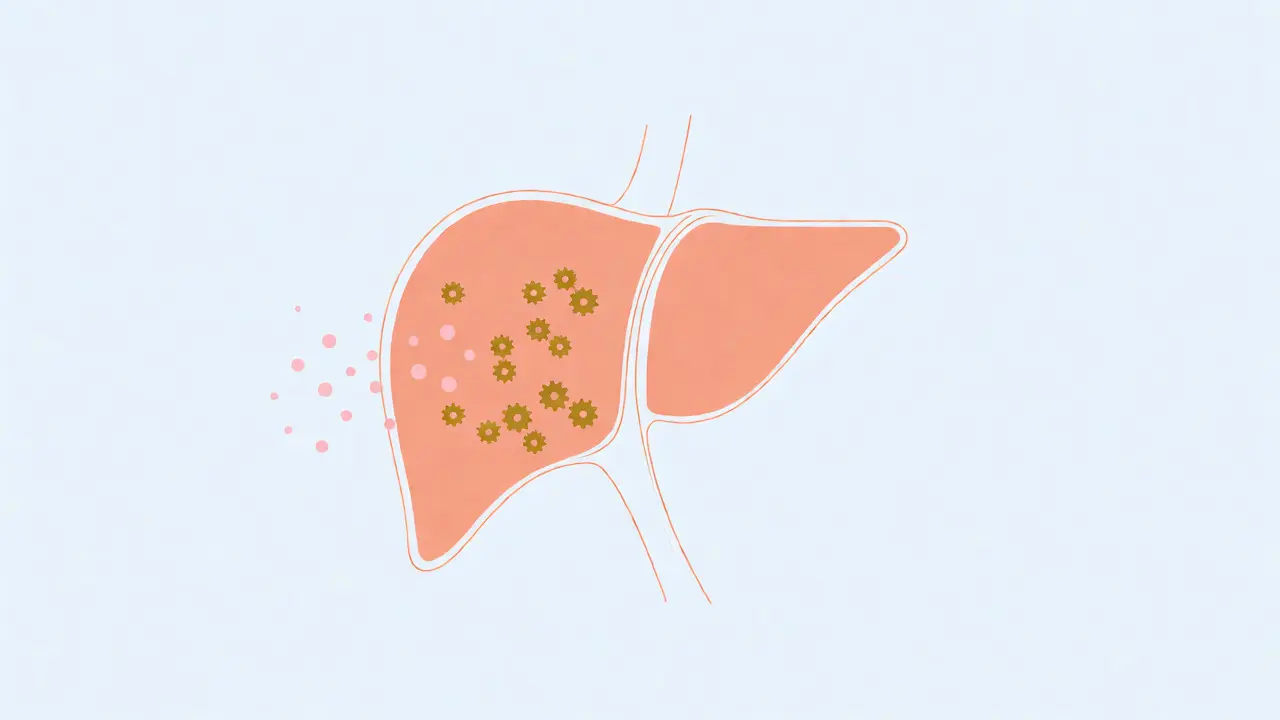
Rifampin is primarily used to treat tuberculosis and certain serious bacterial infections. It works by speeding up the liver enzymes-specifically CYP3A4-that break down hormones. When these enzymes work overtime, they metabolize ethinylestradiol (the estrogen in your pill) much faster than usual. Studies show rifampin can decrease the amount of active hormone in your blood by 40% to 60%. That is a massive drop. It means the hormone levels might fall below the threshold needed to stop ovulation.
If you are prescribed rifampin, you absolutely need backup contraception. This isn’t a suggestion; it’s a medical necessity. The CDC categorizes using COCs with rifampin as a Category 4 condition, meaning there is an unacceptable health risk due to potential contraceptive failure. However, its cousin, rifabutin, has a weaker effect. While it still induces liver enzymes, the impact is less severe. Many guidelines suggest caution but don’t always demand strict backup methods unless other factors are present.
Why Do We Still Think Amoxicillin Kills Contraception?
If rifampin is the only real culprit, why do so many people believe otherwise? Blame history. In the 1970s and 80s, birth control pills contained much higher doses of estrogen-often 50 to 100 micrograms. Today’s standard pills contain just 20 to 35 micrograms. Back then, even a slight disruption in how the body processed the hormone could lead to breakthrough bleeding or failed protection. Case reports from that era linked various antibiotics to pregnancies, creating a lasting impression.
But those early cases were often anecdotal. They didn’t account for other variables, like missed pills or vomiting. Fast forward to today. A major 2018 systematic review published in the American Journal of Obstetrics and Gynecology analyzed data from over 1,800 women. The result? No statistically significant increase in pregnancy rates among women taking non-rifamycin antibiotics compared to those who weren’t. The pregnancy rate was virtually identical: 0.69 per 100 woman-years for antibiotic users versus 0.54 for non-users.
So why does the myth persist? Partly because of inertia in medical training and labeling. FDA-approved package inserts for birth control pills often list "antibiotics" broadly as interacting drugs without specifying which ones. This vague warning leads to over-cautious advice. A survey found that 68% of community pharmacists routinely recommend backup contraception for amoxicillin use, despite lacking evidence to support it. It’s easier to say "use condoms" than to explain complex pharmacokinetics.
The Gut Flora Theory: Plausible but Unproven
There is another theory floating around: antibiotics kill good gut bacteria, which disrupts the recycling of estrogen. Normally, some estrogen is excreted into the gut and then reabsorbed back into the bloodstream thanks to helpful bacteria. The idea is that if antibiotics wipe out these bacteria, less estrogen gets reabsorbed, lowering overall hormone levels.
This mechanism sounds logical. And for a short time, it seemed plausible. But rigorous clinical trials haven’t backed it up. A 2003 study looked specifically at amoxicillin and found no significant changes in the levels of ethinylestradiol or levonorgestrel (the progestin component). Another study on doxycycline showed similar results. While antibiotics do alter your microbiome, the impact on hormone levels appears negligible for most women using modern low-dose pills.
Does this mean the gut flora theory is dead? Not entirely. It might play a role in rare cases or with specific individual variations. But for the general population, it doesn’t translate to a clinically meaningful risk of pregnancy. The body’s hormonal regulation is robust enough to handle minor fluctuations caused by gut bacteria changes.
What About Other Medications?
It’s crucial to distinguish between antibiotics and other drugs that genuinely affect birth control. While most antibiotics are safe, other medications definitely aren’t. Anticonvulsants (like phenytoin and carbamazepine), antiretrovirals for HIV, and certain antifungals (like griseofulvin) are known to reduce contraceptive efficacy. These drugs share the same enzyme-inducing properties as rifampin.
St. John’s Wort, a popular herbal supplement for depression, is another well-known offender. It significantly lowers hormone levels and increases the risk of breakthrough bleeding and pregnancy. Always check with your pharmacist about supplements, too. They often interact more unpredictably than prescription drugs.
| Drug Class / Name | Evidence Level | Action Required |
|---|---|---|
| Rifampin | Proven (Level A) | Use backup method (e.g., condoms) during treatment and for 4 weeks after. |
| Rifabutin | Likely Interaction | Consult doctor; backup method often recommended. |
| Amoxicillin / Penicillin | No Significant Evidence | No backup needed for most users. |
| Doxycycline / Tetracycline | No Significant Evidence | No backup needed for most users. |
| Azithromycin | No Significant Evidence | No backup needed for most users. |
| St. John’s Wort | Proven | Use backup method; consider alternative contraception. |

When Should You Actually Worry?
Even if antibiotics aren’t the issue, other factors can compromise your birth control. If you experience severe vomiting or diarrhea within 3-4 hours of taking your pill, your body may not absorb it properly. This applies regardless of whether you’re on antibiotics. In such cases, follow the "missed pill" instructions in your packet, which usually involve taking another pill as soon as possible.
Also, consider your adherence habits. Are you taking your pill at the same time every day? Missing pills is a far more common cause of contraceptive failure than drug interactions. Stress, travel across time zones, or simple forgetfulness pose bigger risks than a round of ciprofloxacin.
If you are highly anxious about this topic, using condoms as a backup won’t hurt. It adds a layer of protection against STIs anyway. But understand that this is peace-of-mind insurance, not medical necessity driven by strong evidence. Don’t let anxiety drive you to unnecessary emergency contraception purchases, which cost money and can disrupt your cycle.
The Future of Labeling and Advice
The medical community is slowly catching up. The European Medicines Agency updated labels in 2023 to clarify that non-rifamycin antibiotics don’t require backup contraception. In the US, efforts are underway to update FDA guidance to reflect current data. Research continues, including longitudinal studies tracking thousands of women to see if genetic factors make some individuals more susceptible to interactions.
For now, the best approach is informed confidence. Talk to your healthcare provider. Ask them specifically: "Does this antibiotic interact with my birth control?" If they cite old rules without explaining the current evidence, seek a second opinion. Knowledge is power, especially when it comes to your reproductive health.
Do all antibiotics reduce the effectiveness of birth control pills?
No. Current scientific evidence shows that only rifampin (and to a lesser extent rifabutin) significantly reduces the effectiveness of combined oral contraceptives. Most common antibiotics, such as amoxicillin, azithromycin, and doxycycline, do not have a clinically proven impact on birth control efficacy.
Should I use backup contraception if I take amoxicillin?
For most women, no. Major reviews and guidelines indicate that amoxicillin does not interfere with birth control pills. However, if you experience vomiting or diarrhea while taking the antibiotic, your body may not absorb the pill correctly, in which case backup contraception is recommended.
Why do pharmacists still warn about antibiotic interactions?
Pharmacists often follow conservative protocols or older labeling that lists "antibiotics" broadly. Additionally, patient anxiety drives requests for extra protection. Many providers err on the side of caution to avoid liability, even when the scientific evidence suggests the risk is minimal or nonexistent for non-rifamycin antibiotics.
What happens if I take rifampin with my birth control?
Rifampin speeds up the liver's metabolism of estrogen, significantly lowering hormone levels in your blood. This can lead to contraceptive failure. You must use a backup method, such as condoms, throughout the duration of rifampin treatment and for four weeks after finishing the course.
Does St. John’s Wort affect birth control?
Yes. St. John’s Wort is a potent inducer of liver enzymes and has been shown to reduce the effectiveness of oral contraceptives. It can cause breakthrough bleeding and increase the risk of pregnancy. Backup contraception is strongly recommended if you take this supplement.