
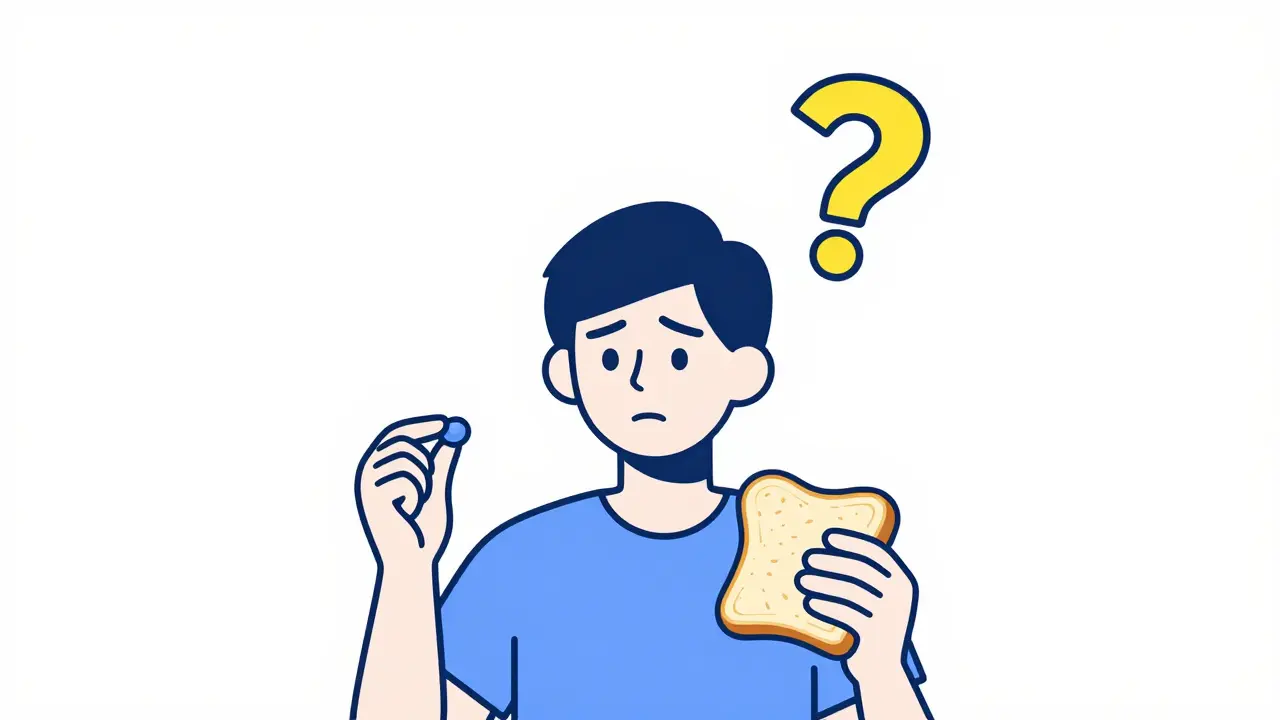
You take a new medication, and a few hours later, you feel a strange itch or a wave of dizziness. Is it the pill, or did you just have a bad sandwich? When you're dealing with a suspected drug reaction, guesswork is your biggest enemy. Your doctor can't diagnose a problem they can't see, and your memory isn't as reliable as you think. In fact, cognitive studies show that your memory of an event starts to fade significantly after just 48 hours.
This is where a symptom diary comes in. It's not just a journal about how you feel; it's a clinical tool that transforms vague complaints into objective data. By recording exactly what happened and when, you provide a map that helps your healthcare provider distinguish between a side effect and a pre-existing condition. Research suggests that using a detailed diary can reduce the need for diagnostic testing by as much as 37% because it identifies triggers so clearly.
What Actually Goes Into a Symptom Diary?
To be useful, a diary needs more than just a note saying "felt sick on Tuesday." For a record to be clinically valid-similar to the standards used by the National Institute on Aging (NIA)-you need to track nine specific data points. If you miss these, you might be creating "noise" that makes it harder for your doctor to find the real cause.
Every entry should include:
- Exact Timing: The date and the minute you took the medication.
- Dosage and Route: How much you took and how (e.g., swallow, injection, topical).
- Concurrent Substances: Every other pill, vitamin, or herbal supplement you took that day.
- Symptom Details: What exactly happened? Be specific about the anatomical location (e.g., "rash on left forearm" instead of "skin irritation").
- Onset Time: How long after the dose did the symptom start?
- Duration: How long did the feeling last?
- Environment: Were you stressed? Was it 100 degrees outside? Had you just finished a workout?
- Remedies: Did you take an antihistamine or drink water to stop the reaction?
- Resolution: Did the symptom go away completely, or is it still there?
Measuring Severity Without the Guesswork
One of the hardest parts of tracking reactions is describing how "bad" they are. Words like "moderate" mean different things to different people. To fix this, medical professionals often use the Common Terminology Criteria for Adverse Events (CTCAE). While you don't need to be a doctor to use this, adopting a similar grading scale makes your data much more valuable.
| Grade | Severity | What it looks like |
|---|---|---|
| 1 | Mild | Noticeable but doesn't interfere with daily activities. |
| 2 | Moderate | Interferes with some activities; may require minimal intervention. |
| 3 | Severe | Prevents daily activities; requires significant medical intervention. |
| 4 | Life-threatening | Urgent hospitalization required to prevent death. |
| 5 | Death | The reaction resulted in fatality. |

Choosing Your Tracking Method: Paper vs. Digital
You have two main choices: a traditional notebook or a dedicated health app. Both have pros and cons, but the data shows a clear trend. Paper diaries have a high abandonment rate-around 57%-because they're cumbersome to carry and easy to forget. On the other hand, app-based systems see much higher completion rates thanks to push notifications.
If you prefer digital, look into tools like Medisafe, CareClinic, or MyTherapy. These apps automatically timestamp your entries, which removes the "memory lag" that often ruins the temporal accuracy of a report. If you are part of a clinical trial, ensure the app meets FDA 21 CFR Part 11 requirements for electronic records to ensure the data is legally valid.
For those who stick with paper, the best way to avoid burnout is to use a pre-printed checkbox form. This reduces the writing time and ensures you don't forget to log environmental factors, which are missed in nearly 90% of unstructured diaries.
Pro Tips for High-Accuracy Logging
To make your diary a goldmine for your doctor, follow these three golden rules:
- The 5-Minute Rule: Document the symptom within 5 minutes of it appearing. If you wait until the end of the day, you'll likely forget the exact onset time, which is the most critical piece of evidence for establishing causality.
- Use Visual Evidence: If you have a skin rash or swelling, take a photo. The European Medicines Agency (EMA) found that adding photos to cutaneous reaction diaries increased diagnostic accuracy by 78%. A picture of a hive is worth a thousand words in a medical chart.
- Track the "Baselines": Don't just record the bad days. Recording a day where you took the medication and felt *nothing* is just as important. It helps the doctor see the contrast and confirm that the drug is indeed the trigger.

Common Pitfalls That Ruin Your Data
Many people fall into the trap of "over-documenting." This happens when you record every tiny, expected side effect-like a slightly dry mouth-alongside a serious reaction. This creates a mountain of irrelevant data that can actually delay your treatment. Experts at the Institute for Safe Medication Practices (ISMP) have noted that excessive noise in diaries can delay critical interventions by several days.
Focus your energy on unexpected reactions. If the pharmacy pamphlet says "some nausea is common," a mild stomach ache isn't a priority. However, a sudden drop in blood pressure or a breathing change is a critical event. Always prioritize the timing and severity of these outlier events.
How to Use Your Diary During a Doctor's Visit
Handing a doctor a 20-page notebook of rambling notes is a recipe for a short appointment. Instead, summarize your findings before you walk in. Create a simple one-page summary that highlights the most frequent symptoms and the average time it took for them to appear after dosing.
If your doctor seems dismissive, use the objective data to pivot the conversation. Instead of saying "I feel dizzy," say "Over the last 14 days, I've had 6 episodes of Grade 2 dizziness, all of which occurred within 45 minutes of taking my dose." This shift from subjective feeling to objective data makes it nearly impossible for a clinician to ignore the pattern.
How long do I need to keep a symptom diary?
Generally, a two-week window is sufficient to identify patterns for most drug reactions. However, for chronic medications or those with delayed reactions, your doctor may ask for a longer period. The key is consistency rather than duration.
What if I forget to log a dose?
Don't try to guess the time hours later. Mark the entry as "estimated" or leave it blank if you aren't sure. Accurate, incomplete data is better than complete, inaccurate data, as the latter can lead to a false diagnosis.
Should I record my diet in the diary?
Yes, especially if the medication is known to interact with specific foods (like grapefruit or dairy). While you don't need a full food log, noting a large meal or a specific trigger food right before a reaction can help rule out food allergies.
Can I use a generic notes app on my phone?
You can, but it's not ideal. Generic apps lack the structured fields and automatic timestamps that dedicated health apps provide. If you use a notes app, be sure to manually type the date and exact time for every single entry.
When does a drug reaction become an emergency?
If you experience swelling of the face/throat, difficulty breathing, or a widespread blistering rash (Stevens-Johnson Syndrome), stop the diary and seek emergency care immediately. Documentation is secondary to immediate life-saving intervention.


Doug DeMarco
April 10, 2026 AT 14:10This is actually super helpful for anyone starting a new med! Just remember to keep it simple so you don't get overwhelmed :) 🚀
Trey Kauffman
April 10, 2026 AT 21:11Oh sure, because spending half your day acting like a low-budget medical scribe is definitely the best way to spend your limited time on earth. I'm sure your doctor is just dying to read a 20-page diary of your 'Grade 2' dizziness.
Victor Parker
April 11, 2026 AT 04:01Wait a minute... why do they want us to use apps? 🧐 They just want our data in the cloud so the big pharma companies can track our every move and know exactly how we react to their poison! Don't trust the digital stuff! 🚫📱
Franklin Anthony
April 11, 2026 AT 16:10totally agree with the app thing actually pharma just uses the data to adjust the dose of the chemicals they put in us to make us more compliant lol but hey the guide is decent if you want to actually prove something to a doc who probably doesnt care anyway
Ryan Hogg
April 11, 2026 AT 20:11I tried doing this once but I just ended up crying because every time I looked at the diary I remembered how scary the reaction was and it just triggered a full panic attack. Now I can't even look at a pill bottle without shaking. It's just too much for me to handle alone.
Emily Wheeler
April 11, 2026 AT 20:13It is truly fascinating to consider how the act of observation itself changes the nature of the experience, as by meticulously documenting our physiological responses we are not only providing data for a clinician but also engaging in a profound meditative practice of self-awareness that allows us to harmonize our mental state with the physical manifestations of our healing process, which I believe is the ultimate goal of any healthcare journey if we look at it through a holistic lens of interconnectedness and patience.
Peter Meyerssen
April 12, 2026 AT 15:58The cognitive dissonance here is palpable 🙄. Using a simplified CTCAE scale is basically just a heuristic for those lacking the ontological framework to describe their own somatic experiences. It's a reductive approach to a complex biological phenomenon, really. 💅
danny Gaming
April 13, 2026 AT 00:39u guys are all soft. just tell the doc ur feelin like crap and if he dont fix it find a new one. this over-documetation is just for people who like feelin like they in a lab experiment lol. american med is a joke anyway
kalpana Nepal
April 14, 2026 AT 03:14True wisdom is knowing that the body is a temple and these chemicals are just invaders. My country has better natural ways to heal without needing a diary for every little itch.
Danny Wilks
April 15, 2026 AT 01:21I've always found that the nuance of a physical reaction is often lost when we try to quantify it into grades or checkboxes, yet I must admit that the suggestion to record baselines is an exceptionally prudent piece of advice that prevents the common error of confirmation bias in a patient-provider relationship.
Camille Sebello
April 16, 2026 AT 14:54Which apps did you use?? I need to know NOW!!! Do they cost money???
Robin Walton
April 16, 2026 AT 20:15I really appreciate the tip about the one-page summary for the doctor. It takes the pressure off the patient and makes the appointment feel way more like a partnership than an interrogation.
Will Gray
April 18, 2026 AT 16:18This is exactly how they get you. You start 'tracking' and suddenly you're just providing a free training set for their AI diagnostic tools so they can fire the actual doctors and replace them with a subscription-based bot that doesn't care if you're dying as long as the credit card clears. Only a fool thinks this is 'helping' their treatment.
Lynn Bowen
April 19, 2026 AT 09:01Taking photos of rashes is something a lot of people in my community do, and it really does make a difference when the rash disappears by the time you actually get into the exam room.