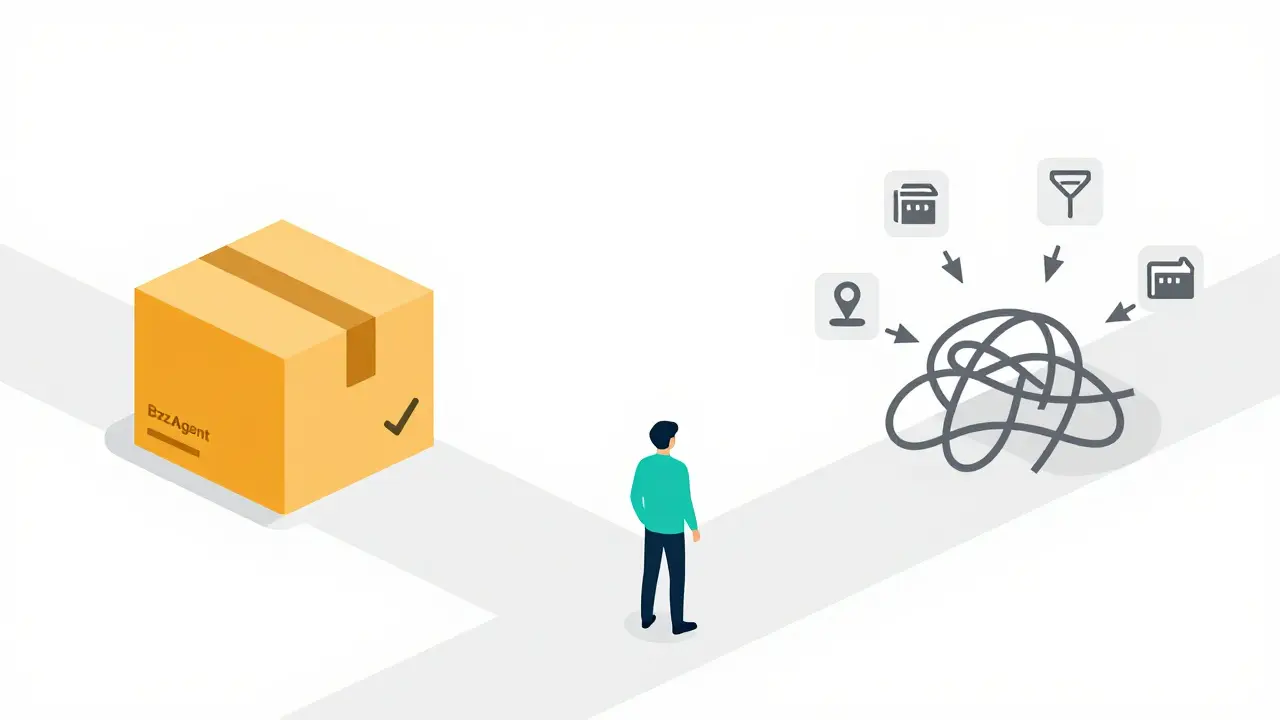
Walking into a pharmacy or browsing online for new skincare, you’ve likely seen the promise of "free samples." It feels like a win-win: you get to try before you buy, and brands get your attention. But there’s a hidden trap in this system that many people overlook. If you aren’t careful, you might end up with expired products, health risks, or worse-becoming part of an unethical cycle where your data is sold, or you’re pressured into subscriptions you didn’t want.
Getting free samples isn’t just about grabbing whatever is handed out at a mall kiosk. In 2026, it’s a structured industry worth billions, governed by specific rules, ethical standards, and safety protocols. To truly benefit from free samples without wasting money or risking your health, you need a strategy. This means knowing which platforms are legitimate, how to provide feedback that actually matters, and most importantly, how to track lot numbers and expiration dates so nothing goes bad in your cabinet.
The Reality of Modern Sampling Platforms
Gone are the days when free samples were random flyers. Today, the global product sampling market is valued at over $37 billion, driven by digital platforms that connect brands directly with consumers. These services operate on a simple premise: they send you products for free, and in exchange, you provide honest reviews. However, not all platforms play fair.
Legitimate services like BzzAgent, launched in 2007, focus on "campaigns" where selected members receive full-size products (over 92% of their shipments) in exchange for detailed feedback. They have a massive community of active members and emphasize authenticity. On the other hand, platforms like SampleSource and ProductSamples.com use profile-matching algorithms to send smaller trial sizes across categories like home, beauty, and pet care. Then there are social-media-driven models like Daily Goodie Box and TryProducts, where you simply comment on posts for a chance to be selected.
The key difference lies in transparency and effort. High-quality platforms require you to complete detailed profiles so they can match you with relevant products. Low-effort platforms often rely on "comment farming," where selection seems random or based purely on engagement metrics rather than genuine interest. Always check if a platform requires credit card information for "free" trials; these are often subscription traps. Legitimate ethical samplers never ask for payment details to receive a sample.
| Platform | Primary Model | Product Type | Effort Required | Ethical Rating |
|---|---|---|---|---|
| BzzAgent | Campaign-based | 92% Full-Size | High (Detailed Reviews) | 4.8/5 |
| SampleSource | Profile Matching | Trial Sizes | Medium (Profile Updates) | 4.2/5 |
| Daily Goodie Box | Social Media Comment | Mixed/Snacks | Low (Comments) | 3.5/5 |
| PINCHme | Points System | Full & Trial | High (Review Points) | 4.0/5 |
Why Ethics Matter in Sampling
You might wonder why ethics matter if you’re just getting free stuff. The answer is trust and quality. When you participate ethically, you build a reputation as a reliable reviewer. Brands notice this. According to consumer marketing research, ethical sampling programs see nearly 40% higher conversion rates because brands trust the feedback more. This means you get better products, faster access to new launches, and sometimes even exclusive ambassador opportunities.
Unethical behavior includes hoarding samples to resell them (known as "sample flipping"), providing fake positive reviews, or signing up for multiple accounts to game the system. The Federal Trade Commission (FTC) strictly monitors this space. Under current guidelines, any review must disclose that the product was received for free. Failure to do so can lead to fines for both the brand and the reviewer. Moreover, platforms like BzzAgent audit their top reviewers for authenticity. If you’re caught lying or manipulating the system, you’ll be banned, and you’ll lose access to future free products.
True ethical participation means giving nuanced feedback. Don’t just say "I loved it." Explain what worked, what didn’t, and who would benefit from the product. Dr. Elena Rodriguez, a consumer behavior expert, notes that nuanced feedback builds trust with brands while maintaining personal integrity. This approach ensures that brands improve their products based on real user experiences, creating a healthier market for everyone.
Understanding Lot Numbers and Expiration Dates
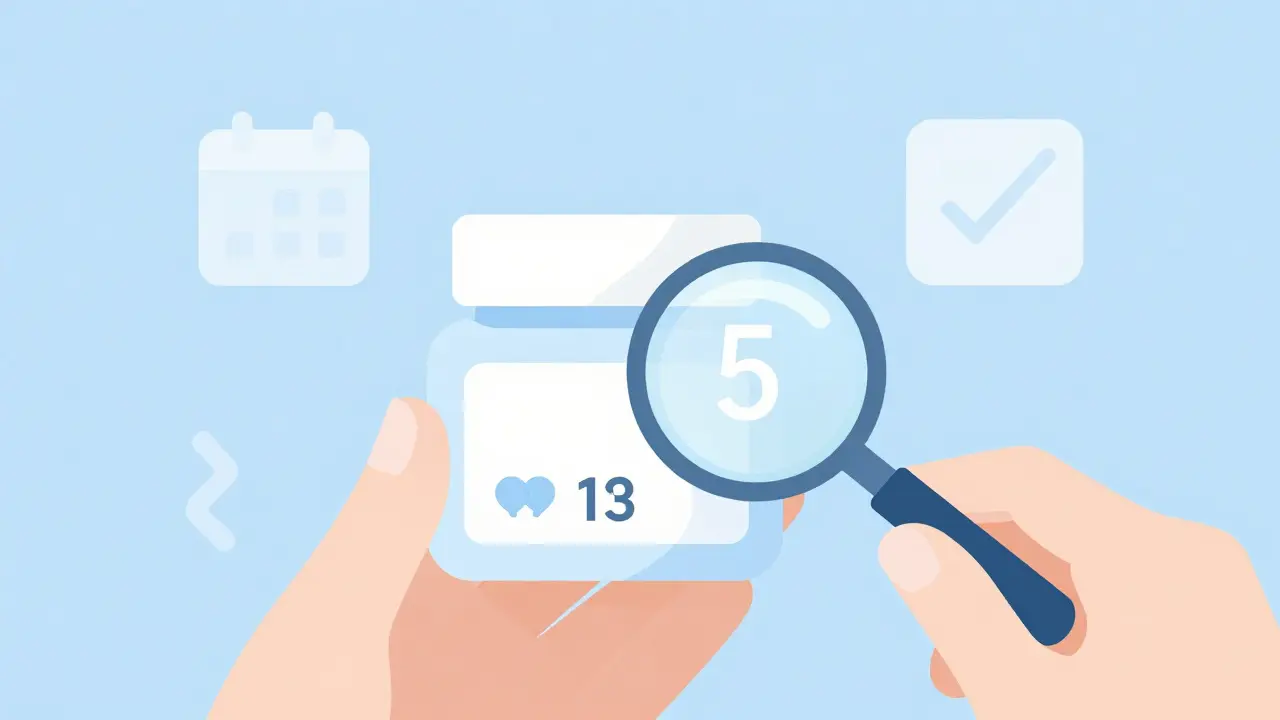
This is the most critical safety step that most people skip. Every cosmetic, pharmaceutical, and food product has a lot number and an expiration date. Why? Because ingredients degrade over time. Using expired skincare can cause breakouts or irritation. Expired supplements may lose potency or become harmful. And expired food samples can make you sick.
Manufacturers print lot numbers to trace production batches. If a contamination issue arises, they recall specific lots. For you, the lot number helps verify freshness. Many brands, especially large ones like Procter & Gamble or L'Oréal, encode the manufacture date within the lot code. For example, P&G often uses a YYWWDD format (Year, Week, Day). Knowing how to decode these codes allows you to determine exactly when a product was made, even if the printed expiration date is faint or missing.
In 2022, the FDA updated its Cosmetic Products Platform to require clearer labeling of lot numbers and expiration dates on all samples. Compliance is high among major platforms, but small brands or third-party sellers might still slip through the cracks. Always inspect the packaging upon receipt. If you cannot find a clear expiration date or lot number, contact the brand immediately. Do not use the product until verified.
How to Track Your Samples Effectively
Receiving free samples is exciting, but managing them requires discipline. Without a system, samples pile up, expire unnoticed, and go to waste. Here is a practical method to track every item you receive:
- Photograph Immediately: As soon as the package arrives, take a clear photo of the product label, focusing on the lot number and expiration date. Store these photos in a dedicated folder on your phone or cloud storage.
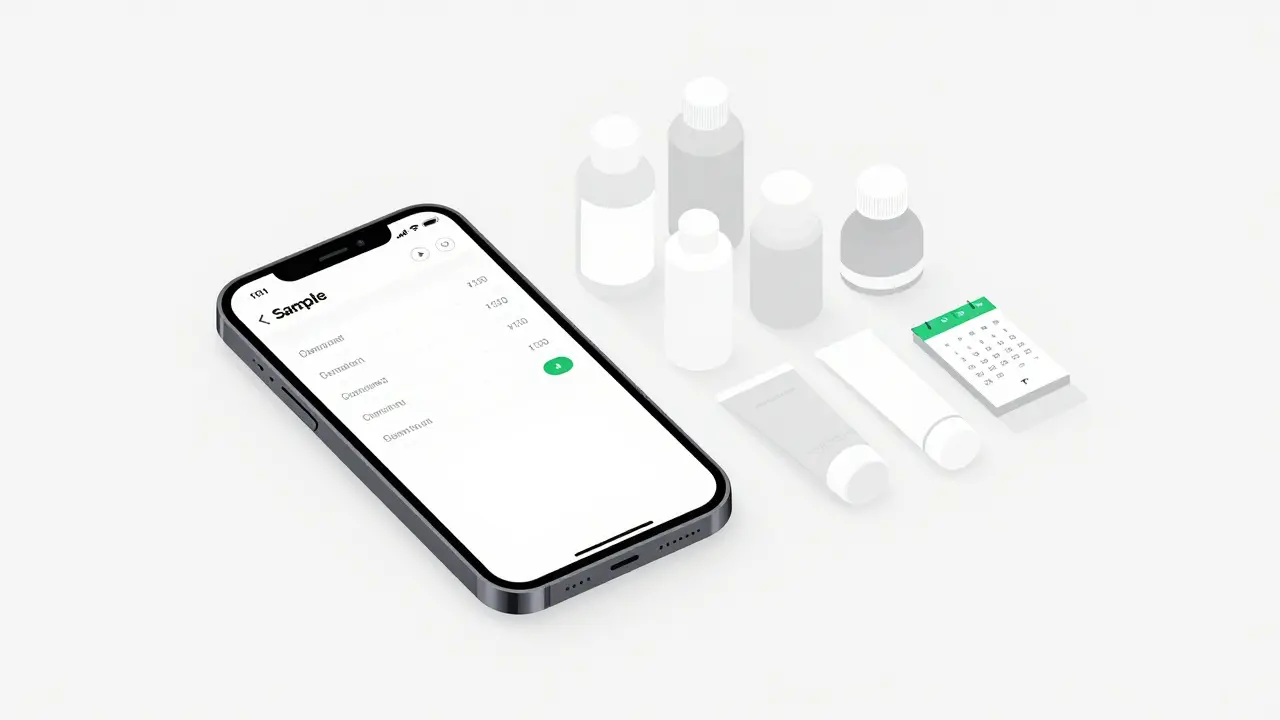
- Create a Digital Log: Use a simple tool like Google Sheets or Excel. Create columns for: Product Name, Brand, Date Received, Lot Number, Manufacture Date, Expiration Date, Feedback Deadline, and Review Status.
- Set Reminders: Input the expiration date into your calendar app. Set a reminder for 30 days before expiry. This gives you enough time to use the product or donate it if you won’t use it.
- Decode Lot Codes: Keep a reference guide for major brands. A quick search for "[Brand Name] lot code decoder" will reveal the pattern. Add the decoded manufacture date to your log for extra clarity.
- Review Before Expiry: Prioritize using samples that are closer to expiration. This ensures you get value from them and provides timely feedback to brands while the product is still fresh.
Some users prefer dedicated apps like "SampleTracker" or physical bullet journals, but a spreadsheet is often the most flexible and accessible option. The goal is to reduce waste. One user reported reducing expired product waste by 83% simply by implementing a basic Google Sheets tracker. That’s significant savings and less clutter.
Avoiding Common Pitfalls
Even with good intentions, mistakes happen. Here are the most common pitfalls to avoid:
- Ignoring Shipping Times: Some platforms ship slowly. If a sample takes weeks to arrive, check the expiration date upon arrival. If it’s already close to expiring, return it or report it. BzzAgent’s "Freshness Guarantee" now ensures products have at least 75% of shelf life remaining, but not all platforms offer this.
- Fake Profiles: Brands analyze your profile to match products. If you list generic interests, you’ll get generic samples. Be specific. Mention allergies, skin types, and lifestyle habits. This increases your fulfillment rate and ensures you get products you can actually evaluate honestly.
- Missing Deadlines: Most campaigns have a deadline for submitting feedback. Missing it means you lose points or eligibility for future campaigns. Set a reminder for the submission deadline right after you receive the product.
- Reselling Samples: Never sell samples on eBay, Amazon, or Facebook Marketplace. This violates terms of service and FTC guidelines. It also harms the brand’s pricing structure and damages your reputation as a reviewer.
Next Steps for New Samplers
If you’re new to this, start small. Sign up for two reputable platforms like BzzAgent and SampleSource. Complete your profiles thoroughly. Dedicate 15 minutes a day to check for new campaigns. When you receive your first samples, implement the tracking system immediately. Treat each sample as a professional evaluation task. Provide thoughtful, balanced feedback. Over time, you’ll build a relationship with brands, receive higher-quality products, and enjoy the benefits of free sampling without the stress or risk.
Remember, the goal isn’t just to get free stuff. It’s to participate in a transparent, ethical ecosystem that benefits consumers and brands alike. By tracking lot numbers and expiration dates, you protect your health and ensure that your feedback is based on fresh, effective products. Stay organized, stay honest, and enjoy the rewards.
Is it safe to use free samples?
Yes, provided you track expiration dates and lot numbers. Reputable platforms ensure products are fresh and compliant with FDA regulations. Always inspect packaging upon receipt and avoid using products past their expiration date.
Do I have to pay shipping for free samples?
No. Legitimate free sample platforms cover all shipping costs. If a site asks for credit card information for "shipping" or "processing fees," it is likely a scam or a subscription trap. Avoid these platforms.
How do I decode a lot number?
Lot codes vary by brand. Search online for "[Brand Name] lot code decoder" to find the specific format. Common formats include YYWWDD (Year, Week, Day) or DDMMYY. Once decoded, record the manufacture date in your tracking log.
What happens if I don't submit feedback?
You may lose points, eligibility for future campaigns, or your account status. Brands rely on timely feedback. Consistently missing deadlines signals low engagement, reducing your chances of receiving high-value samples.
Can I resell free samples?
No. Reselling samples violates terms of service and FTC guidelines. It is considered unethical and can result in permanent bans from sampling platforms. Always use samples for personal evaluation and honest review.
Which platform is best for beginners?
BzzAgent and SampleSource are excellent for beginners due to their clear guidelines and high ethical standards. BzzAgent offers full-size products, while SampleSource provides a wide variety of trial sizes. Both require detailed profiles for better matching.
How do I know if a sample is expired?
Check the printed expiration date on the packaging. If missing, decode the lot number to find the manufacture date. Most cosmetics last 12-24 months after opening. If the product smells off, changes color, or separates, discard it immediately.
Are free samples really free?
Yes, from reputable platforms. You pay with your time and feedback. Ensure the platform does not require payment information. Legitimate services like BzzAgent, SampleSource, and PINCHme do not charge users for samples.