

Medication Monitoring Timeline Calculator
How It Works
Enter your medication type and start date to calculate when your next monitoring test should be scheduled. This tool follows the guidelines in the article for when to check for side effects.
When you start a new medication, you’re not just hoping it works-you’re also hoping it doesn’t make you sick. But side effects don’t always show up right away. Some creep in slowly. Others only appear after months, or when you add another drug to the mix. That’s why routine monitoring isn’t optional-it’s essential. Catching problems early can mean the difference between a mild inconvenience and a hospital visit.
Why Side Effects Don’t Show Up in Clinical Trials
Clinical trials are tightly controlled. Participants are healthy enough to join, take one or two drugs, and are watched closely for weeks or months. But real life? It’s messy. People take five medications. They have diabetes, heart disease, and arthritis. They drink coffee, skip doses, or mix pills with alcohol. That’s when side effects emerge-often too late. The FDA’s Adverse Event Reporting System (FAERS) has been around since 1968. It collects reports from doctors and patients. But here’s the problem: only about 6% of serious side effects ever get reported. That means for every 100 people who have a bad reaction, 94 go uncounted. And by the time a report makes it into the system, someone might already be hurt.What Routine Monitoring Actually Looks Like
Routine monitoring isn’t just waiting for you to call your doctor because you feel weird. It’s a system-built around data, timing, and smart tools. For patients: Keep a simple log. Write down:- When you took the medication (date and time)
- What symptom you felt (dizziness? nausea? rash?)
- How bad it was (on a scale of 1 to 10)
- How long it lasted
- What else you ate, drank, or took that day
Tests That Catch Problems Before They Escalate
Not every side effect causes symptoms you can feel. Some quietly damage your liver, kidneys, or blood cells. That’s why routine blood and urine tests are part of the plan. Here’s what’s typically checked-and when:| Medication Type | Test | When First Done | Follow-Up Frequency |
|---|---|---|---|
| Statins (cholesterol) | Liver enzymes (ALT, AST) | Before starting | Every 3-6 months |
| Metformin (diabetes) | Kidney function (eGFR, creatinine) | Before starting | Every 6-12 months |
| Lithium (mood stabilizer) | Blood lithium levels, kidney and thyroid function | After 5-7 days | Every 3-6 months |
| Anticonvulsants (seizure meds) | Blood levels, liver enzymes, CBC | After 2-4 weeks | Every 3-6 months |
| NSAIDs (ibuprofen, naproxen) | Kidney function, blood pressure | After 4-6 weeks | Every 6 months if used long-term |
The Hidden Power of Clinical Notes
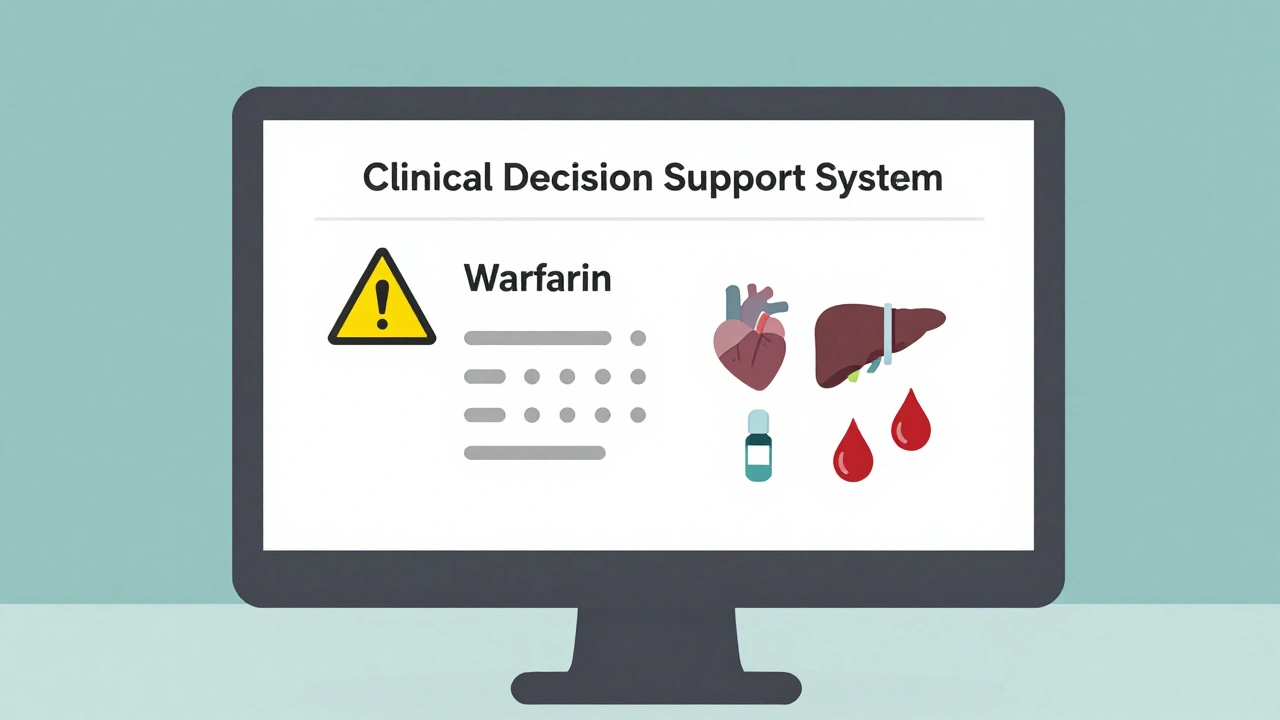
Stanford University researchers found something surprising: the real clues to side effects aren’t in insurance codes or lab reports. They’re in the doctor’s handwritten notes-or, these days, typed clinical summaries. A patient says, “I’ve been feeling off since I started the new pill.” The doctor writes: “Patient reports persistent fatigue, no improvement with rest. On sertraline 50mg x 8 weeks. No other changes.” A computer can scan thousands of these notes and spot patterns: “Patients on sertraline who report fatigue within 6 weeks are 3x more likely to develop hyponatremia.” That’s how new side effects get discovered-before they’re even listed on the drug label. This method, called clinical note mining, doesn’t need patients to report anything. It uses data already being collected. And it’s faster. Stanford’s system flagged a dangerous interaction between a common antibiotic and a blood thinner two years before the FDA issued a warning.Why Multi-Drug Regimens Are the New Challenge
People over 65 take an average of 5-7 medications. Some take 10 or more. Each one adds risk. The problem? Most side effect databases were built for single-drug use. They don’t handle combinations well. Take an elderly patient on:- Warfarin (blood thinner)
- Simvastatin (cholesterol)
- Amiodarone (heart rhythm)
- Fluoxetine (antidepressant)
What’s Next: Wearables, Apps, and Real-Time Alerts
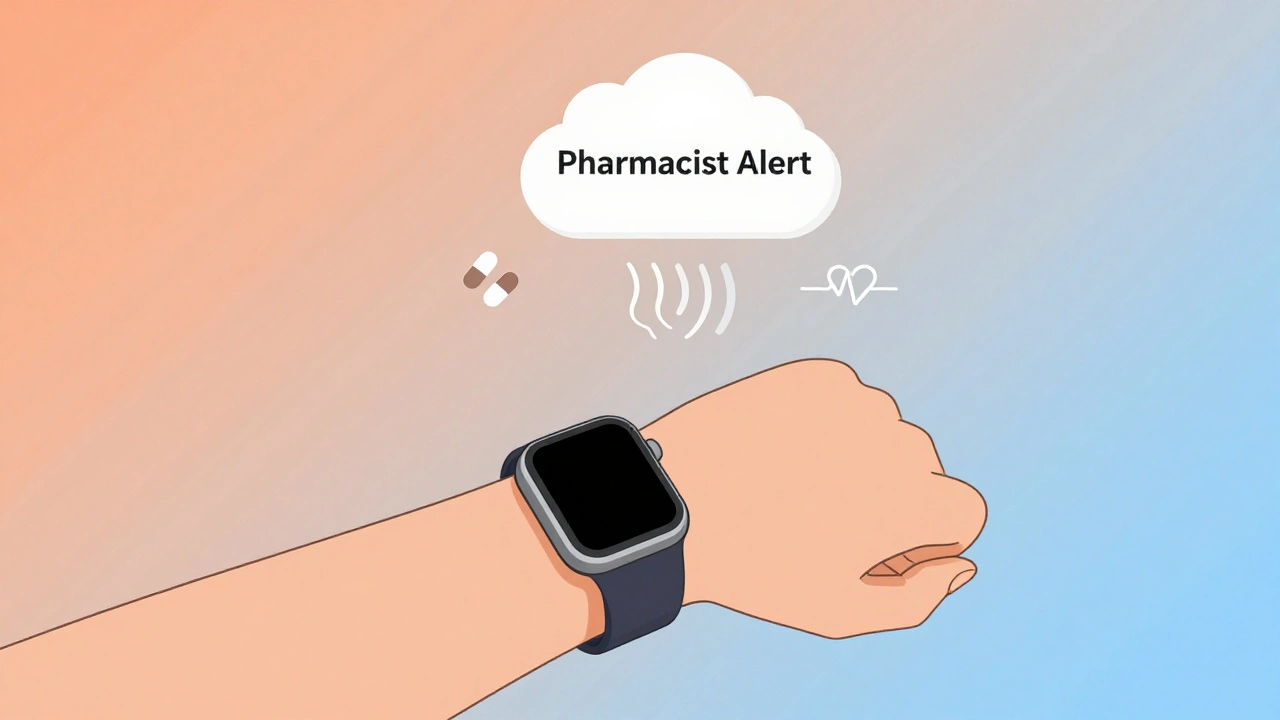
The future of monitoring isn’t just in clinics. It’s in your pocket. Wearable devices now track heart rate variability, sleep quality, and even subtle changes in skin temperature. Apps let patients log symptoms in real time. One pilot program in Queensland linked a smartwatch’s data to a patient’s medication log. When heart rate dropped unexpectedly after a new beta-blocker was added, the system sent an alert to the pharmacist. They called the patient within an hour. These tools aren’t perfect. But they’re filling gaps. Traditional systems wait for you to get sick. New ones try to predict it.What You Can Do Right Now
You don’t need fancy tech to protect yourself. Start here:- Ask your doctor: “What side effects should I watch for in the first 30 days?”
- Get a baseline blood test before starting a new drug-especially if it’s a statin, lithium, or anticonvulsant.
- Keep a simple symptom log. Use your phone’s notes app if you don’t want paper.
- Never assume a new symptom is “just aging.” Call your doctor if something changes after starting a new pill.
- Bring all your meds (including supplements) to every appointment. Use a pill organizer with a list.
How soon after starting a new medication should I get blood tests?
It depends on the drug. For statins or lithium, tests are usually done before starting and then again after 4-6 weeks. For drugs like metformin, kidney function is checked before starting and then every 6-12 months. Always ask your doctor for the specific timeline for your medication.
Can I rely on my pharmacy to catch drug interactions?
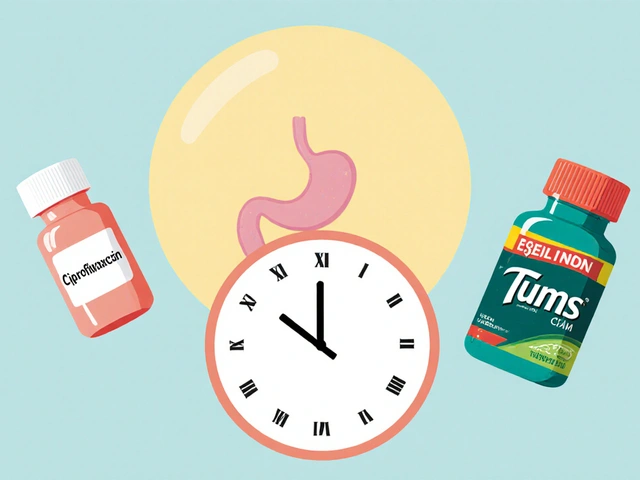
Pharmacies use basic drug interaction checkers, but they often miss complex combinations, especially with supplements or over-the-counter meds. Don’t assume they’ll catch everything. Always tell your pharmacist about every pill, herb, or vitamin you take-and ask, “Could this interact with my other meds?”
What if I feel fine? Do I still need monitoring?
Yes. Many dangerous side effects-like liver damage or low sodium-don’t cause symptoms until they’re advanced. Blood tests catch these silently. Feeling fine doesn’t mean your body is safe.
Are natural supplements safer than prescription drugs?
No. St. John’s Wort can interfere with antidepressants. Garlic and ginkgo can thin your blood. Turmeric can affect liver enzymes. Supplements aren’t regulated like drugs, so their side effects are less studied. Always tell your doctor what you’re taking-even if you think it’s “natural.”
How do I know if a symptom is from my medication or something else?
Track it. Note when the symptom started, how long it lasts, and what you took that day. If it began within days of starting a new drug, it’s likely related. Don’t wait to see if it goes away. Call your doctor with your notes. Even if it’s not the medication, documenting it helps rule things out faster.
Side effects aren’t rare. They’re predictable-if you’re watching. Routine monitoring isn’t about fear. It’s about control. With the right checks, the right timing, and the right questions, you can take your meds safely-and stay well.


joanne humphreys
December 7, 2025 AT 21:09Really appreciate how this breaks down the science without fearmongering. I’ve been on metformin for five years and never realized my biannual kidney tests were this critical. It’s not about distrust-it’s about stewardship of your own body.
Clare Fox
December 8, 2025 AT 04:02i always thought side effects were just 'bad luck' until i started keeping a stupid notes app log after my anxiety med started making me dizzy. turns out it was the energy drink i was chugging at 2am. who knew?
Nigel ntini
December 9, 2025 AT 23:25This is the kind of practical, patient-centered info that’s too rare in healthcare. I’ve coached dozens of older patients through polypharmacy, and the single biggest win is getting them to bring their pill organizer to every visit. Not the list. The actual bottles. You’d be shocked what’s in there-expired antibiotics, leftover steroids, that ‘miracle’ turmeric gummy from the mall.
Myles White
December 11, 2025 AT 13:54Look, I get the enthusiasm for monitoring and logs and CDSS, but let’s not pretend this isn’t a massive, expensive infrastructure play that mostly benefits insurers and pharmaceutical companies who want to minimize liability. The fact that we’re still relying on manual symptom logs in 2025 while the tech exists to passively monitor vitals, sleep, hydration, and even micro-movements through smartwatches? It’s absurd. The real failure isn’t patient noncompliance-it’s the healthcare system’s refusal to integrate real-time data at scale. We’re treating symptoms with spreadsheets while the tools to predict them are already in people’s pockets.
Kay Jolie
December 12, 2025 AT 23:17Let’s be honest-the entire framework of ‘routine monitoring’ is a bureaucratic artifact designed to mitigate malpractice risk, not optimize outcomes. The FDA’s FAERS system? A glorified suggestion box. Clinical note mining? Brilliant, but only because it’s exploiting unstructured data that was never meant to be analyzed. We’re retrofitting 20th-century medicine with 21st-century AI and calling it ‘innovation.’ Meanwhile, the real issue-the fragmentation of care across 12 different providers, none of whom share records-is being ignored because it’s politically inconvenient. The algorithm flagged the interaction two years early? Great. But why did it take a Stanford research team to do what a centralized EHR should’ve done automatically?
Arjun Deva
December 14, 2025 AT 19:03They’re not telling you the whole truth. Every single blood test they recommend? It’s not for your safety-it’s to cover their asses. If you get liver damage, they’ll say, ‘We told you to get tested.’ But if you don’t get tested and you die? They get sued. That’s why they push these tests. The drugs? They’re still dangerous. The monitoring? It’s a liability shield. And don’t even get me started on wearables-your Apple Watch is feeding your data to insurers. You think they’re helping you? They’re pricing you out of coverage.
Jackie Petersen
December 14, 2025 AT 23:40So now we’re supposed to trust tech companies and doctors who can’t even get a prescription right without a computer screaming at them? This country is falling apart. We used to just take pills and live our lives. Now we’re data subjects in a corporate medical surveillance state. I’m not logging my grapefruit juice intake for some algorithm.
Chris Park
December 16, 2025 AT 16:28Let’s analyze the data structure of this post. The author cites Stanford’s clinical note mining as a breakthrough, yet fails to mention that the underlying NLP models were trained on de-identified data from a single academic medical center with a 92% white patient cohort. The generalizability to populations with higher rates of polypharmacy-like in Nigeria or rural India-is statistically unvalidated. Furthermore, the recommended monitoring timelines for statins are based on 1990s cohort studies. Recent meta-analyses (2023, JAMA) suggest ALT elevation is not predictive of clinical hepatitis in 68% of cases. This is evidence-based? It’s evidence-litigation.
brenda olvera
December 17, 2025 AT 01:34I’m a nurse in Phoenix and I see this every day. Elderly patients on 8 meds, no one’s talking to each other, and the pharmacy only flags the obvious ones. One lady came in with muscle pain after starting a new statin-she didn’t say anything because she thought it was just ‘getting old.’ We found her CK levels were through the roof. She didn’t know supplements count as meds. She was taking ‘natural’ coenzyme Q10 because her friend said it helps. It doesn’t interact with statins. But she was also taking garlic capsules. And turmeric. And a ‘heart health’ tea with hawthorn. No one asked. No one checked. This post? It’s a lifeline.
pallavi khushwani
December 18, 2025 AT 06:43i love how this post doesn't blame patients for not being perfect. we're not doctors. we're just trying to survive. i started logging my meds on my phone after my mom had a bad reaction and no one knew what she was taking. it took 3 days to figure it out. don't make it complicated. just write it down. even if it's messy. your future self will thank you.
Akash Takyar
December 19, 2025 AT 12:19It is imperative to recognize that the implementation of routine monitoring protocols must be harmonized with cultural, socioeconomic, and infrastructural realities. In many developing nations, access to even basic laboratory services remains a challenge. The suggestion of biweekly blood tests for lithium or statins is, in many contexts, a luxury. Therefore, while the principles outlined are scientifically sound, their universal applicability requires adaptive frameworks-such as community-based health worker monitoring, mobile diagnostic units, and simplified symptom checklists delivered via SMS. Innovation must be inclusive, not merely technologically advanced.
Max Manoles
December 21, 2025 AT 08:54I’m the author of this post. Thank you all for the thoughtful, sometimes fiery, replies. I didn’t expect this to spark such a debate. To Chris: you’re right about the data bias-I cited Stanford because it’s a landmark study, but you’re spot-on that it’s not representative. To Arjun and Jackie: I hear your fear. I’ve seen patients avoid meds because they felt watched. That’s why I emphasized ‘control,’ not surveillance. To Nigel and Brenda: your stories? That’s the real win. This isn’t about tech or policy. It’s about someone remembering to write down that they took their pill with grapefruit juice. That’s the moment safety happens. Keep logging. Keep asking. Keep showing up. We’re all in this together.