
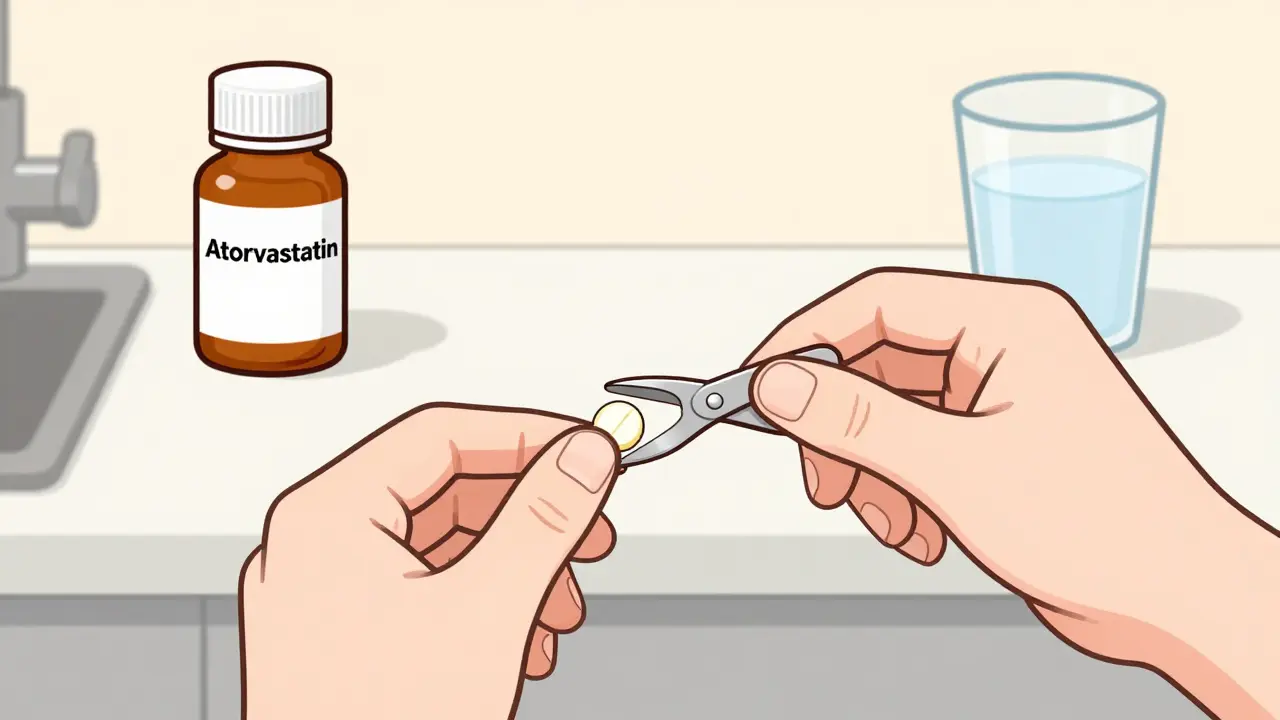
Pill splitting can save you hundreds on medication costs-but only if you do it right. Learn which pills are safe to split, how to use a pill splitter, and safer alternatives that don’t risk your health.
Read More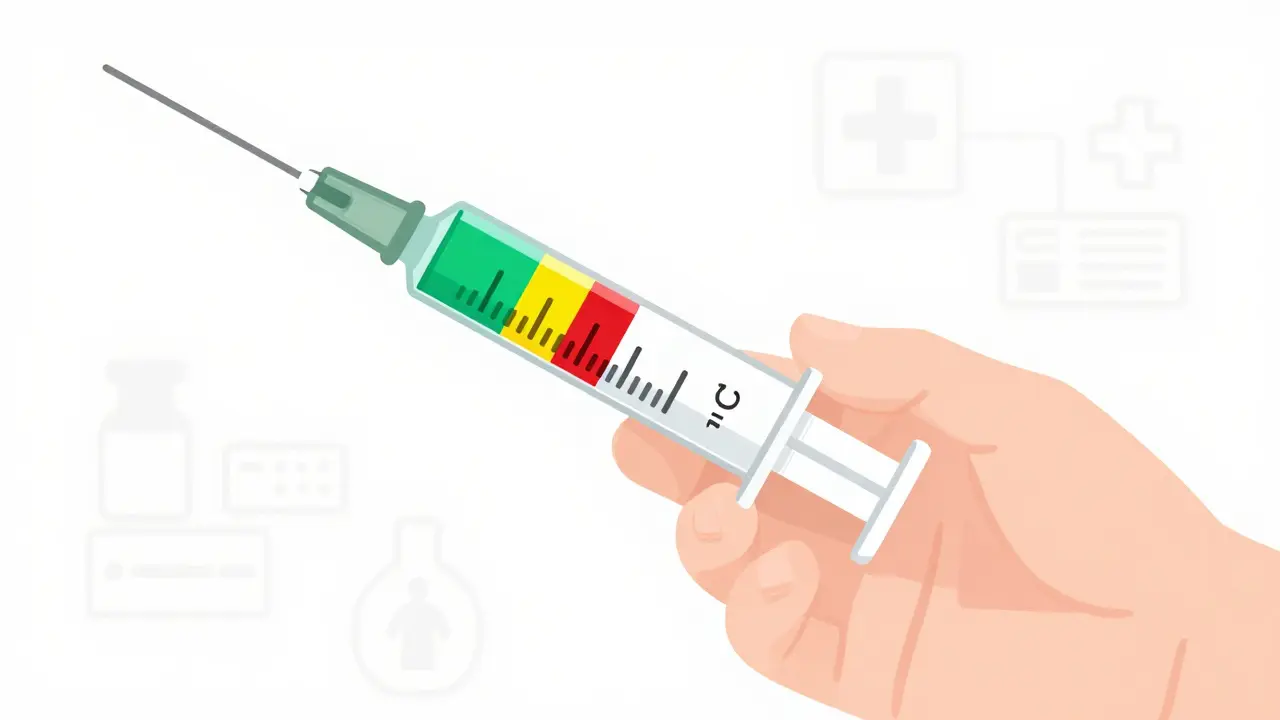
Visual dosing aids like syringes, droppers, and measuring cups reduce medication errors by using color, clear markings, and simple designs. They're proven to cut dosing mistakes by over 50% and speed up administration in emergencies.
Read More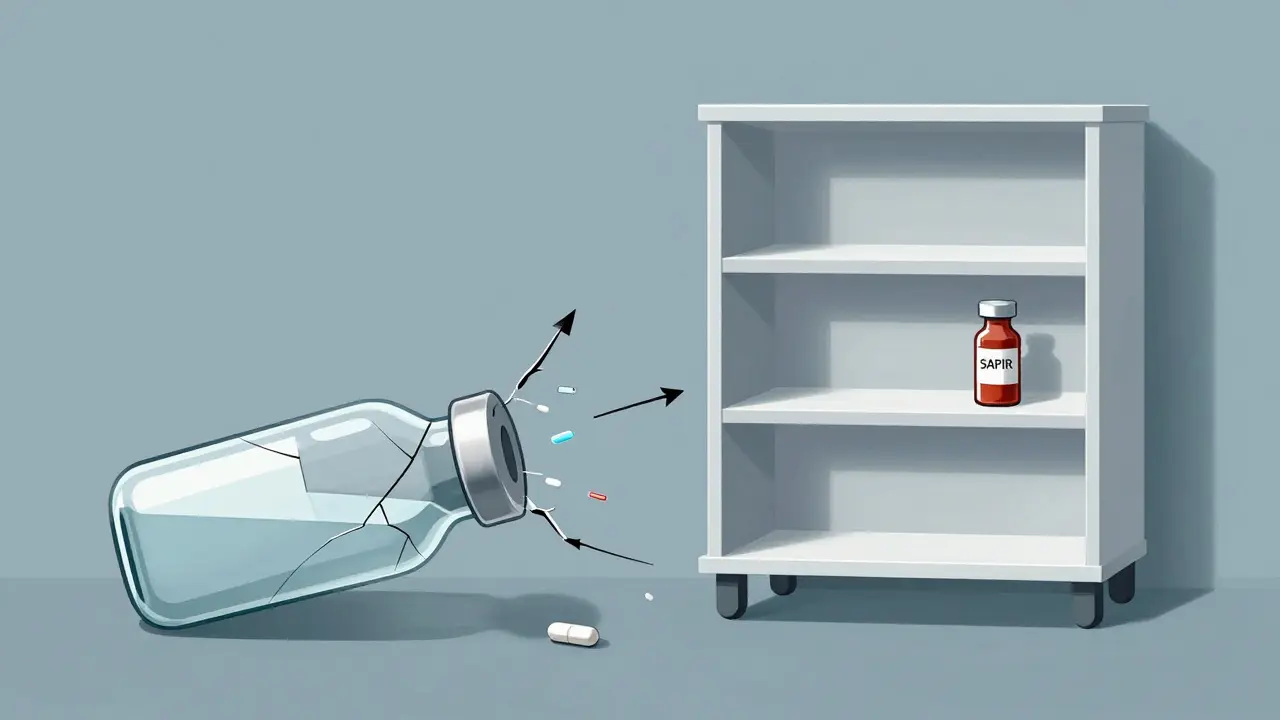
The U.S. government's response to record drug shortages includes a controversial API stockpile, weak reporting rules, and underfunded initiatives. Despite new AI tools and federal plans, systemic issues in manufacturing and economics remain unaddressed.
Read More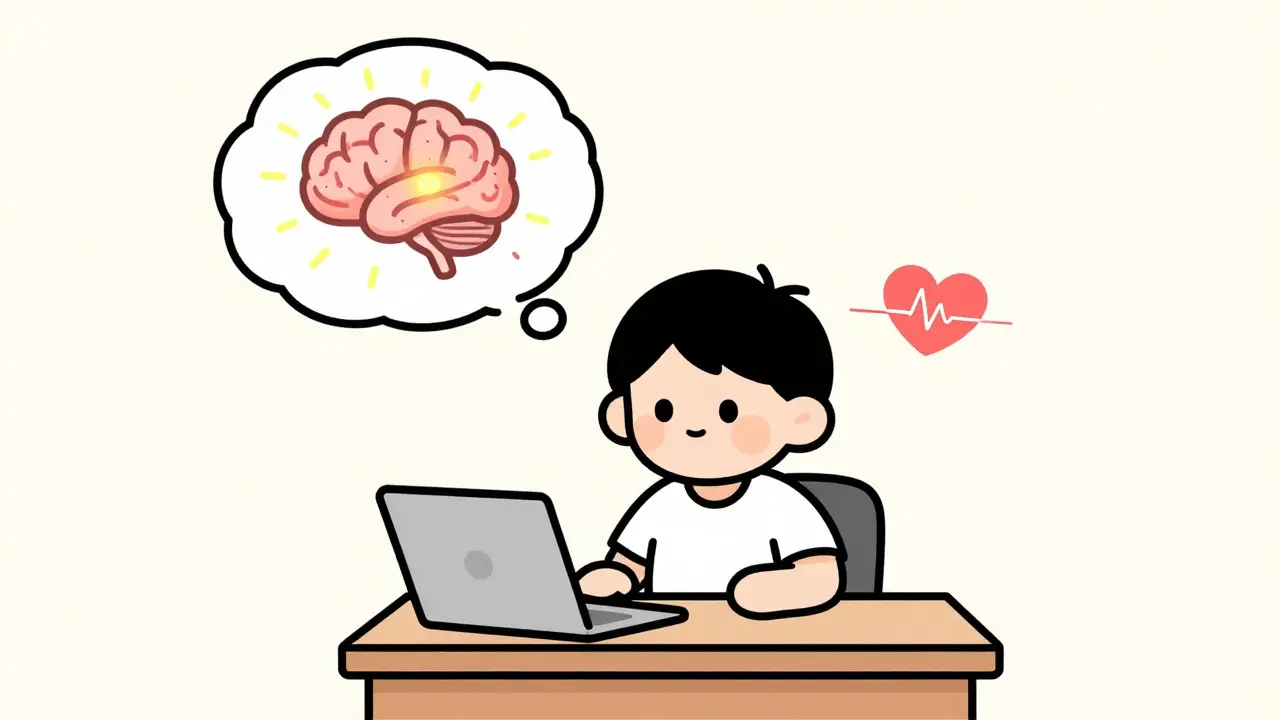
Stimulants for ADHD are effective for most people, but they can raise blood pressure, increase heart rate, and disrupt sleep. Learn what the latest research says about these side effects and how to manage them safely.
Read More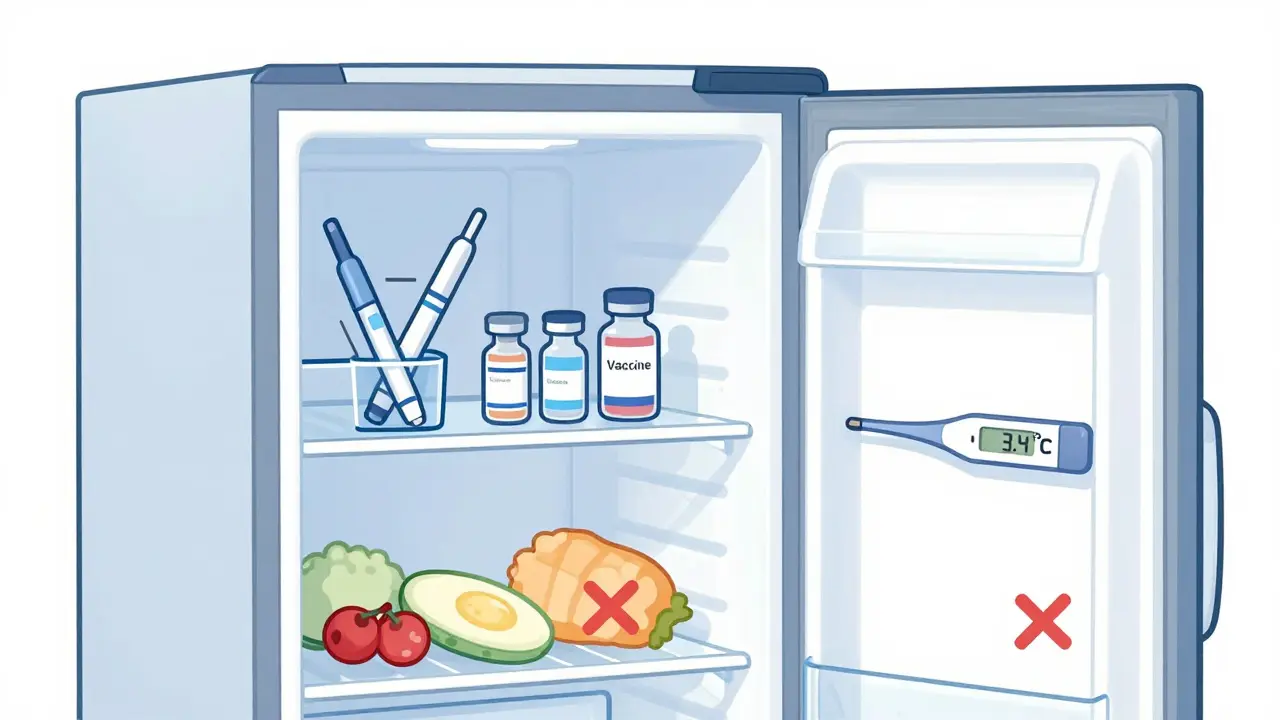
Learn how to properly store refrigerated medications like insulin, vaccines, and biologics at home. Avoid common mistakes, understand temperature ranges, and use simple tools to keep your meds effective and safe.
Read More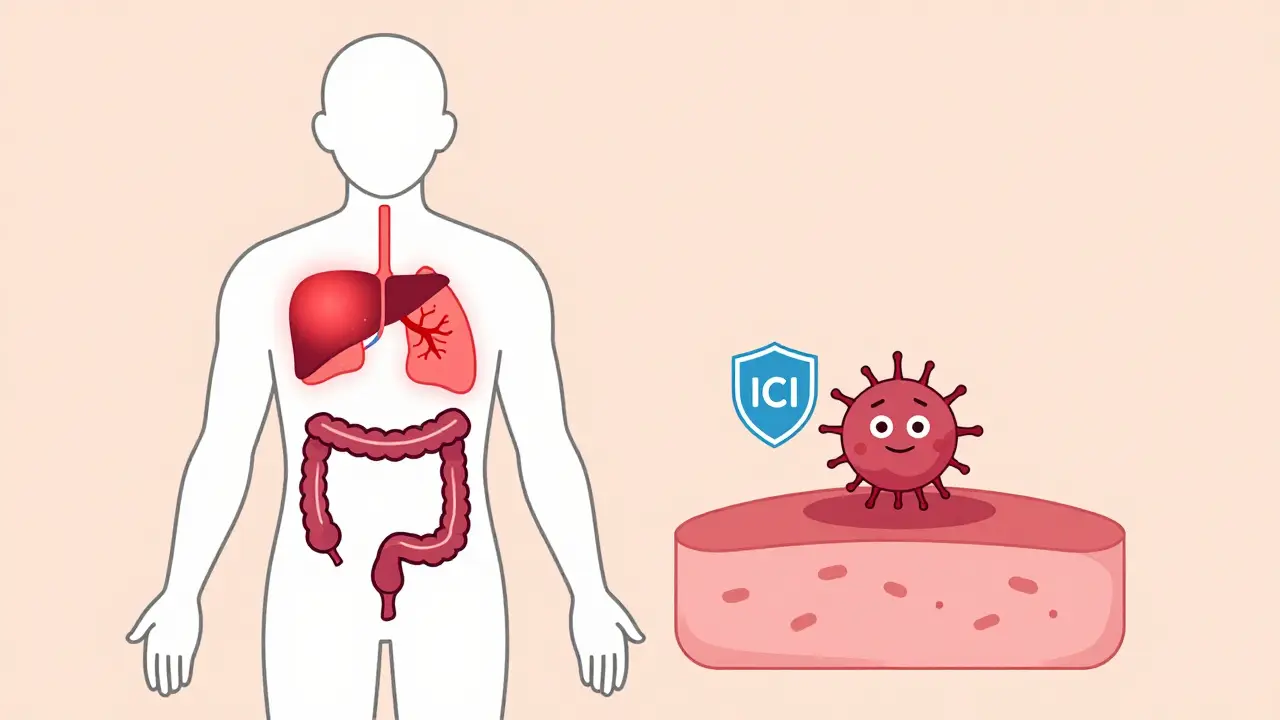
Immune-related adverse events (irAEs) are common side effects of cancer immunotherapy that can affect any organ. Learn how to recognize, grade, and treat them with corticosteroids and other therapies - and why early action saves lives.
Read More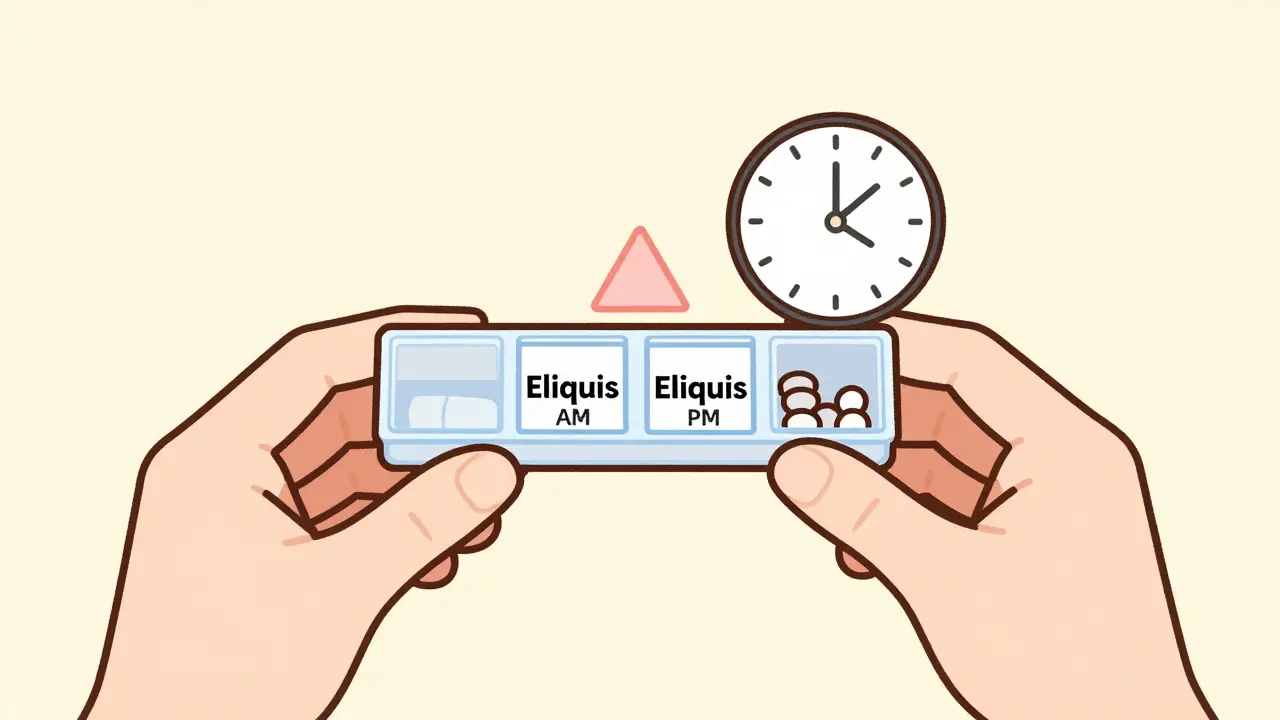
Missing a blood thinner dose can raise your risk of stroke or dangerous clots. Learn what to do if you forget your warfarin or Eliquis, when to call your doctor, and how to prevent missed doses for better safety.
Read More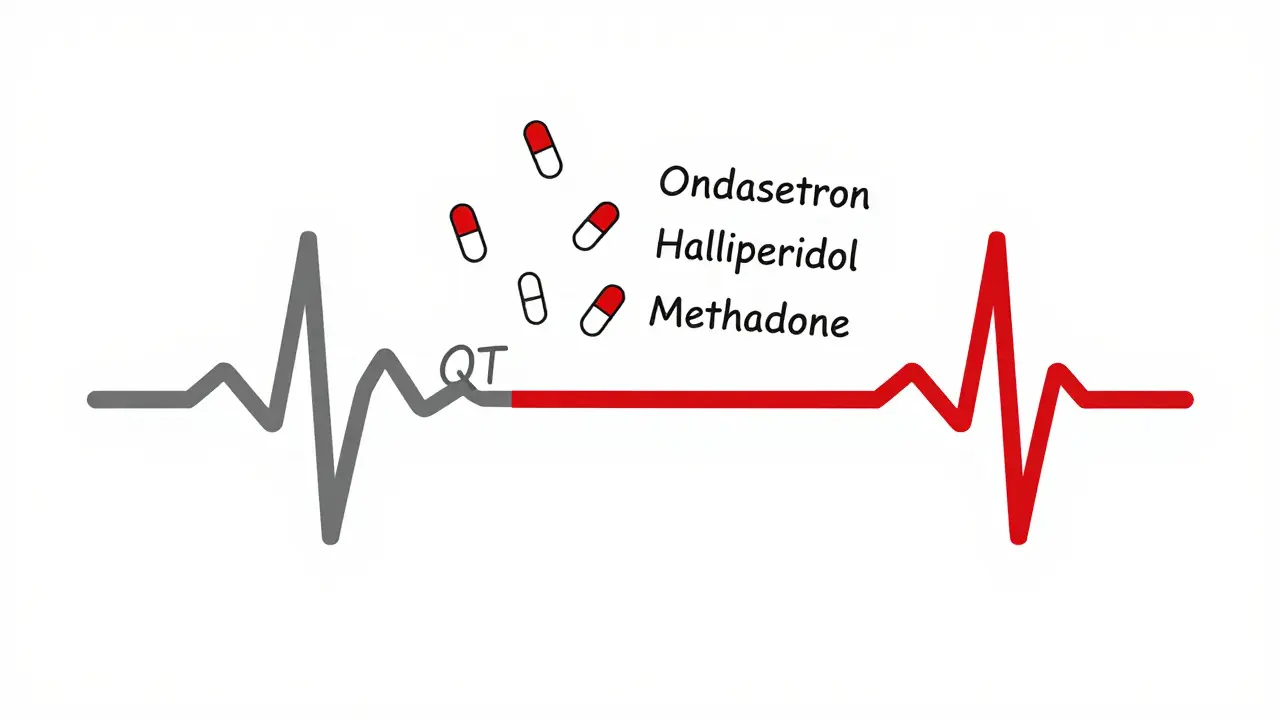
QT prolongation can trigger life-threatening arrhythmias. Many common medications - from antibiotics to antidepressants - can cause it. Learn which drugs raise the risk, who’s most vulnerable, and how to stay safe.
Read More
A multilingual medication list is essential for emergencies. Learn how to create and maintain one in multiple languages to prevent errors, reduce ER wait times, and ensure clear communication with healthcare providers during crises.
Read More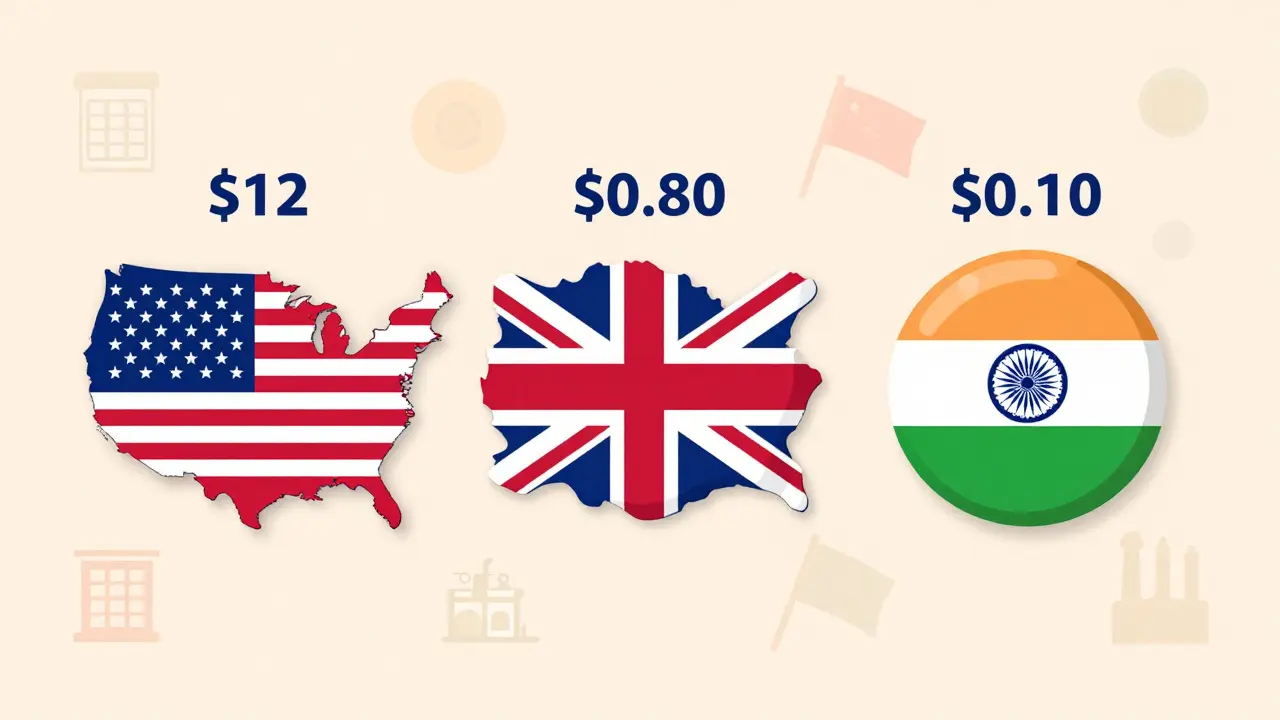
Generic drugs save billions globally, but availability and pricing vary wildly between countries. Why does the same pill cost six times more in the U.S. than in the U.K.? And why do some generics cause side effects others don't?
Read More