
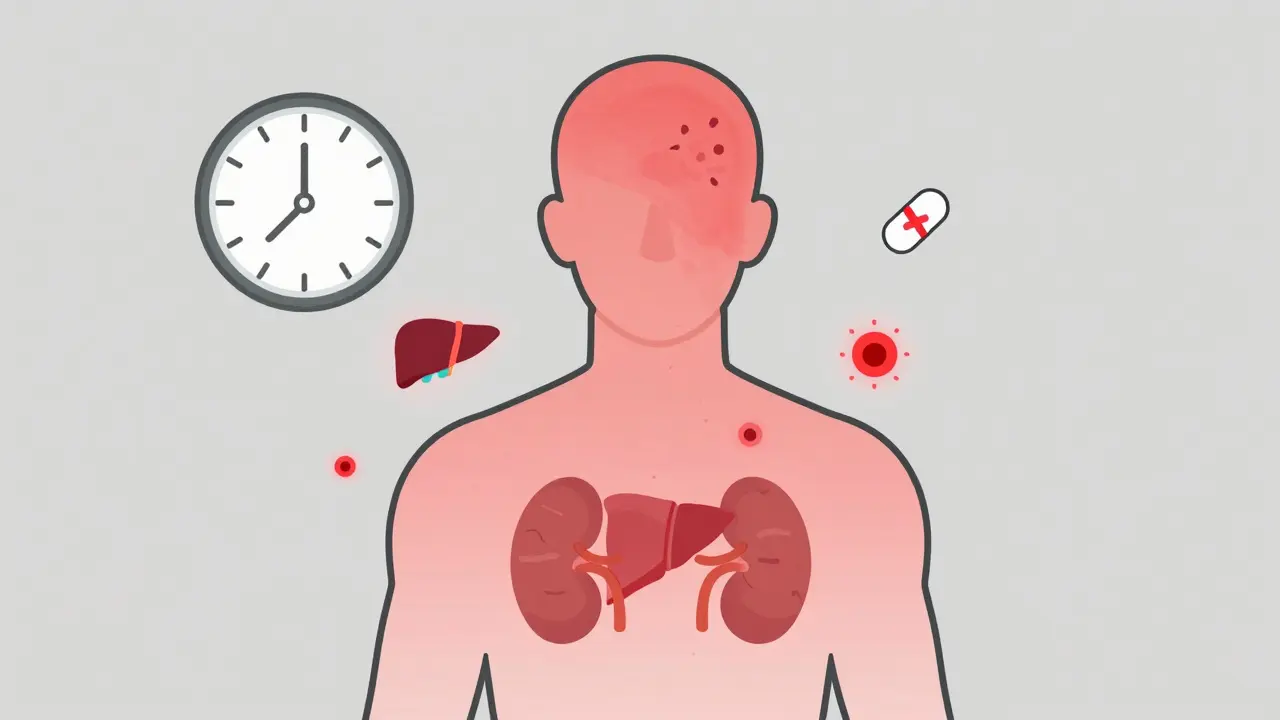
DRESS syndrome is a rare but deadly drug reaction that causes fever, rash, organ damage, and eosinophilia weeks after taking medication. Early diagnosis saves lives-know the signs, triggers, and how to prevent it.
Read More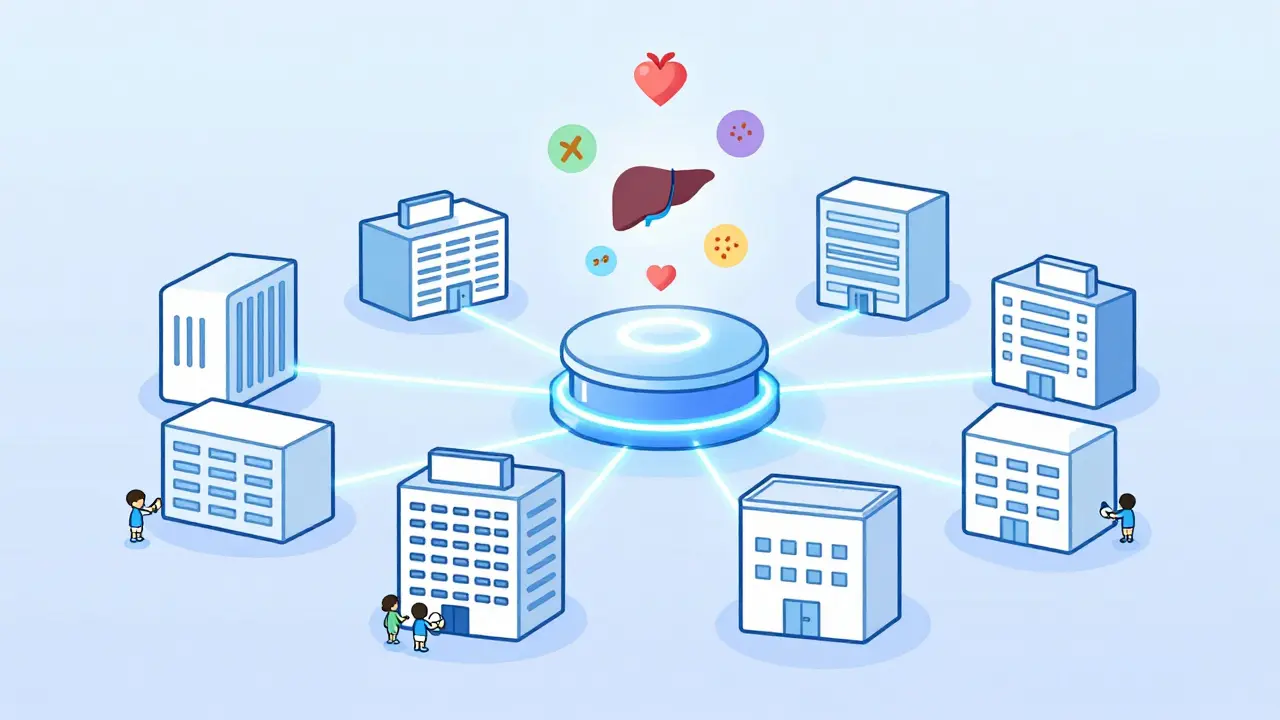
Pediatric safety networks bring together hospitals and communities to track side effects in children more effectively than traditional studies. These collaborative systems have changed how drugs and treatments are tested, making pediatric care safer through real-time data sharing and adaptive protocols.
Read More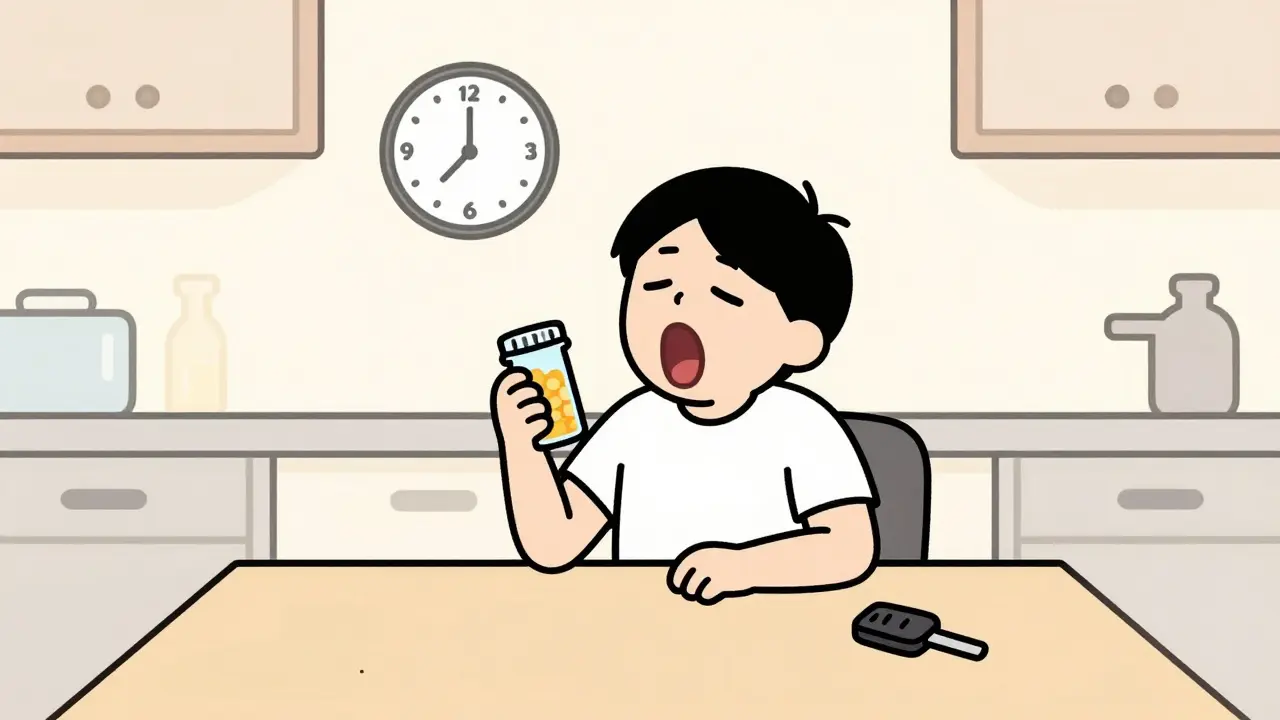
Medication-induced drowsiness affects 15-20% of adults and can be dangerous if ignored. Learn which drugs cause sleepiness, how to reduce it, and when to talk to your doctor.
Read More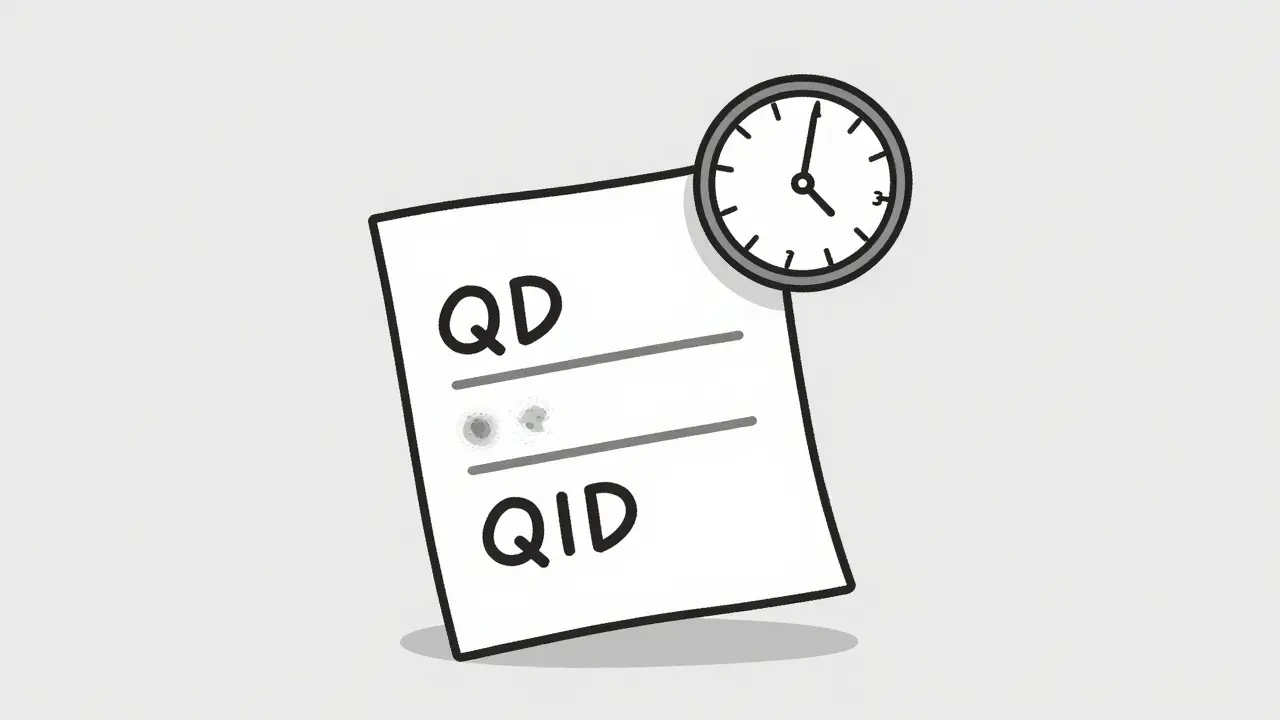
QD and QID are dangerous prescription abbreviations that cause patients to take four times their intended dose. Learn why they're still used, how they lead to serious harm, and what's being done to eliminate them for good.
Read More
Generic drugs approved by the FDA often face multi-year delays due to patent lawsuits. Between 2023 and 2025, patent thickets, the 30-month stay, and litigation costs blocked affordable access for millions of patients.
Read More
Generic drug reimbursement is shaped by federal and state laws that determine how much pharmacies get paid. MAC pricing, PBM spread, and Medicare rules affect affordability, access, and pharmacy survival.
Read More
Most people labeled with penicillin allergy aren't truly allergic. Learn how penicillin and cephalosporin reactions differ, why cross-reactivity is overblown, and how to get tested for true allergies to avoid unnecessary antibiotics.
Read More
Opioid-induced hyperalgesia makes pain worse with higher opioid doses. Learn how to spot it, why it happens, and how to treat it without increasing opioids. A guide for patients and clinicians.
Read More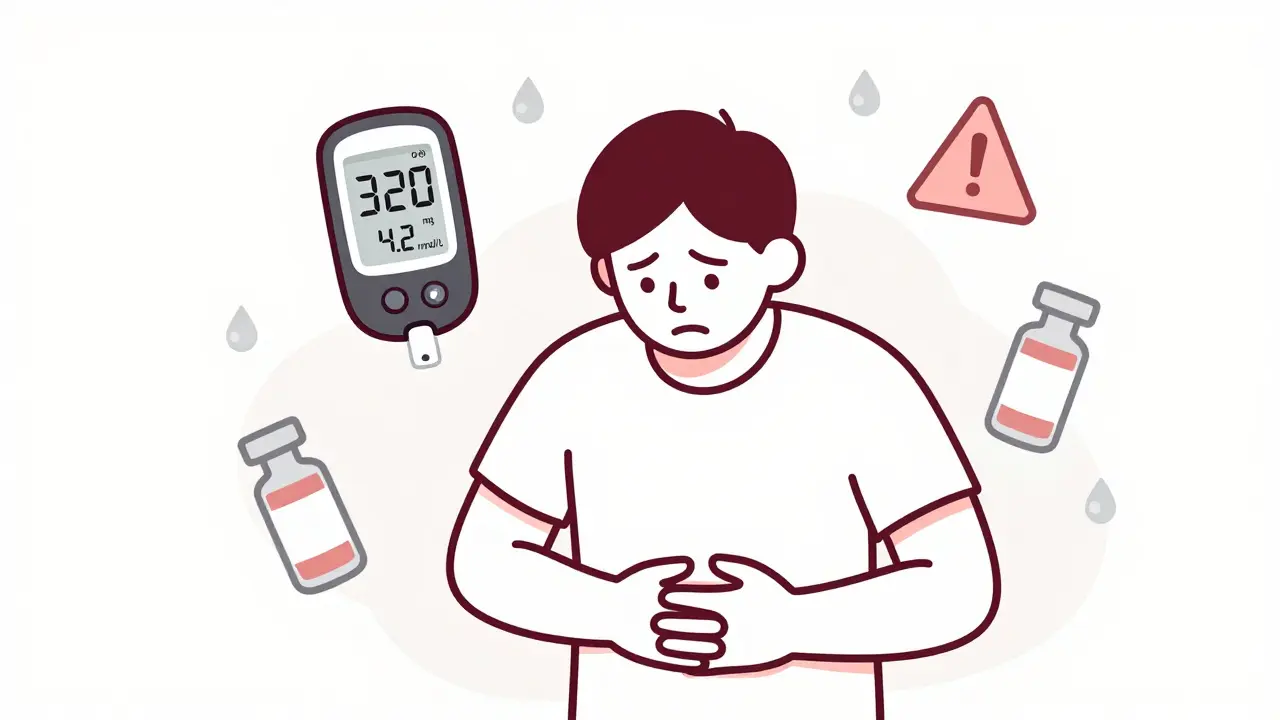
Diabetic ketoacidosis is a life-threatening emergency that requires immediate hospital care. Learn the warning signs, how treatment works, and how to prevent it-especially if you have type 1 or type 2 diabetes.
Read More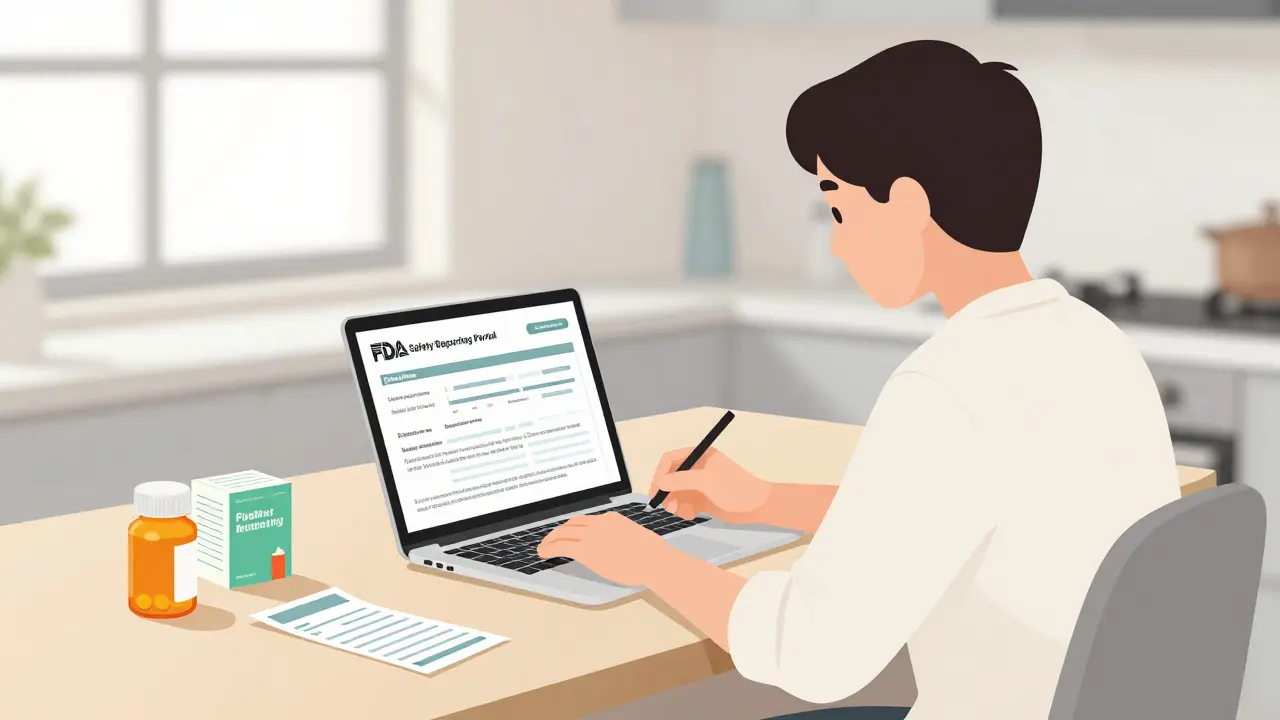
Learn how to file a direct complaint with the FDA as a patient. Step-by-step guide on reporting adverse reactions, product failures, and use errors for drugs, devices, and supplements - and why your report matters.
Read More